NATO to gradually reduce KFOR troop presence in Kosovo as security situation improves
 13 oC
13 oC 
Güneşli

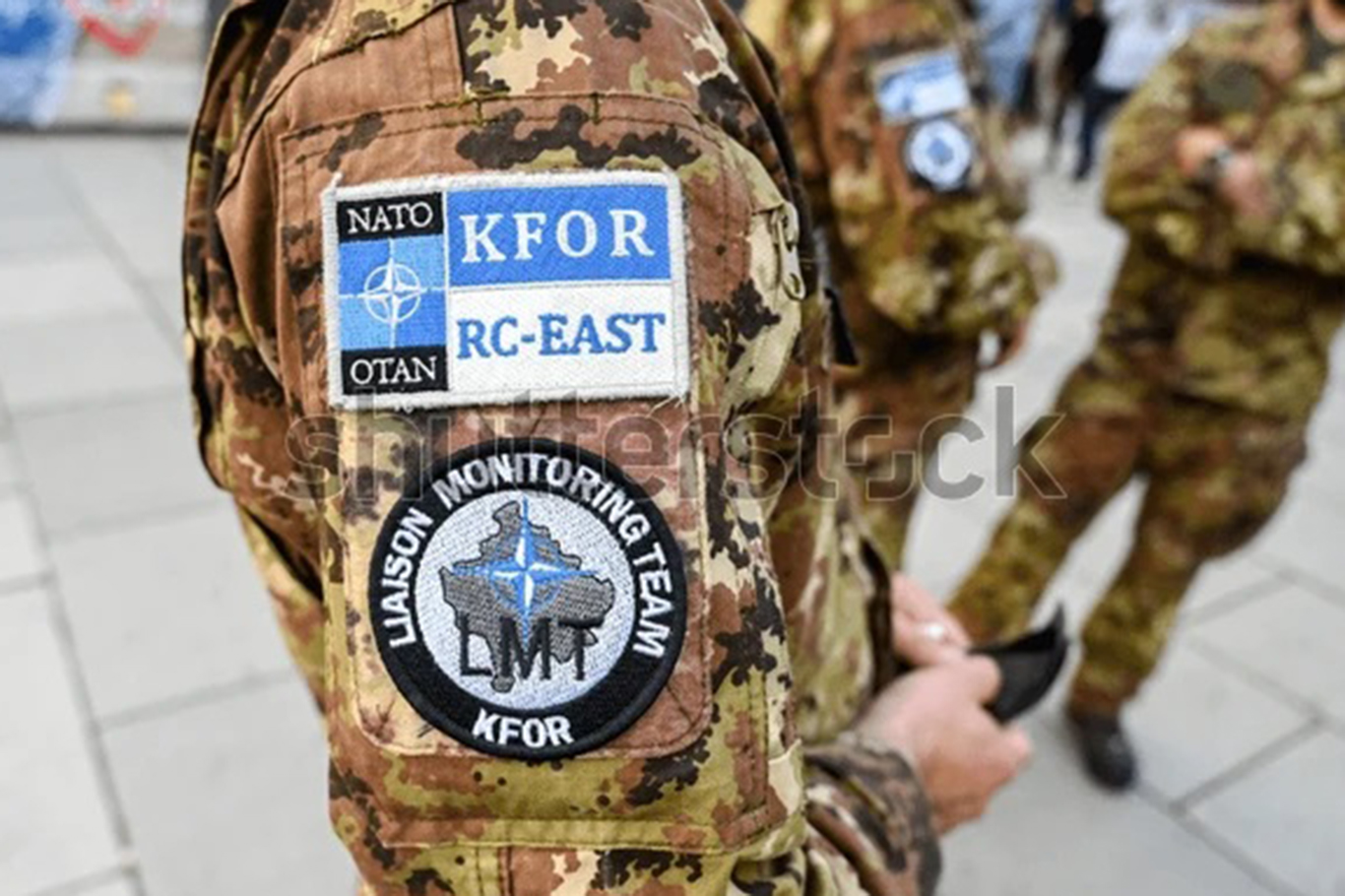
NATO has announced plans to gradually reduce the size of its peacekeeping mission in Kosovo, citing sustained improvements in the territory's security environment and the growing capabilities of local security institutions.
The Alliance said the Kosovo Force (KFOR) will undergo a phased optimisation process over the coming year, adjusting its troop levels while continuing to fulfil its mandate of ensuring a safe and secure environment for all communities.
"The security situation in Kosovo has continued to improve over the last years," NATO said in a statement, noting that the conditions now allow for a reassessment of KFOR's posture.
The decision follows the end of NATO's reserve force deployments to KFOR in January after more than two years of continuous rotations. The reserve forces had been sent to Kosovo in response to heightened tensions in 2023, when violent incidents, including attacks on KFOR peacekeepers in the northern town of Zvečan, prompted the Alliance to reinforce the mission with nearly 1,000 additional troops—the largest increase in more than a decade.
With the situation now described as generally stable, NATO believes KFOR can continue to carry out its responsibilities with a reduced footprint.
Since its establishment in 1999 following the Kosovo conflict, KFOR has regularly adjusted its presence to reflect developments on the ground. The mission operates under the mandate of United Nations Security Council Resolution 1244 and works closely with the Kosovo Police and the European Union Rule of Law Mission in Kosovo (EULEX).
"NATO and KFOR are fully committed to safety and security in Kosovo," said U.S. Air Force General Alexus G. Grynkewich, Supreme Allied Commander Europe (SACEUR).
"It is this commitment that has led to increased stability as the security organisations in Kosovo have become more capable. The current conditions provide an opportunity to optimise KFOR's size and posture further," he added.
General Grynkewich also reaffirmed NATO's enduring commitment to the Western Balkans, describing the region as strategically important to the Alliance and closely linked to broader Euro-Atlantic security.
"NATO will not allow a security vacuum to emerge," he stressed.
According to NATO, the troop reductions will be implemented gradually through regular national deployment and redeployment cycles between now and next year. The process will remain conditions-based and could be halted or reversed should the security environment deteriorate.
The Alliance noted that the decision was made following a comprehensive review and intelligence-led assessment of the situation on the ground.
As KFOR marks its 27th year of operations, NATO reiterated its support for the European Union-facilitated dialogue between Belgrade and Pristina, urging both sides to engage constructively to resolve outstanding disputes.
"NATO continues to support the EU-facilitated dialogue between Belgrade and Pristina and urges both sides to engage to resolve outstanding issues and reach a solution that respects the rights of all communities," the statement said.
The Alliance stressed that achieving lasting security in Kosovo and preserving stability across the Western Balkans will ultimately depend on continued dialogue and political compromise between the parties. (ILKHA)
LEGAL WARNING: All rights of the published news, photos and videos are reserved by İlke Haber Ajansı Basın Yayın San. Trade A.Ş. Under no circumstances can all or part of the news, photos and videos be used without a written contract or subscription.
Turkish Foreign Minister Hakan Fidan held separate telephone conversations with Qatari Prime Minister and Foreign Minister Sheikh Mohammed bin Abdulrahman Al Thani and U.S. negotiators to discuss developments related to Iran.
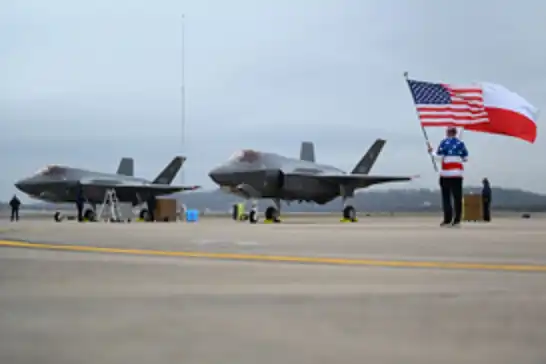
Poland has officially inducted its first three F-35 Lightning II fighter jets into service, becoming the first country on NATO's eastern flank to operate the fifth-generation aircraft.

Four Palestinians were injured on Friday after armed Israeli settlers attacked residents of the village of Deir Abu Mish'al, northwest of Ramallah, amid escalating tensions over attempts to establish a new illegal settlement outpost on Palestinian land.