Netherlands to ban imports from illegal Israeli settlements from September 22
 13 oC
13 oC 
Güneşli

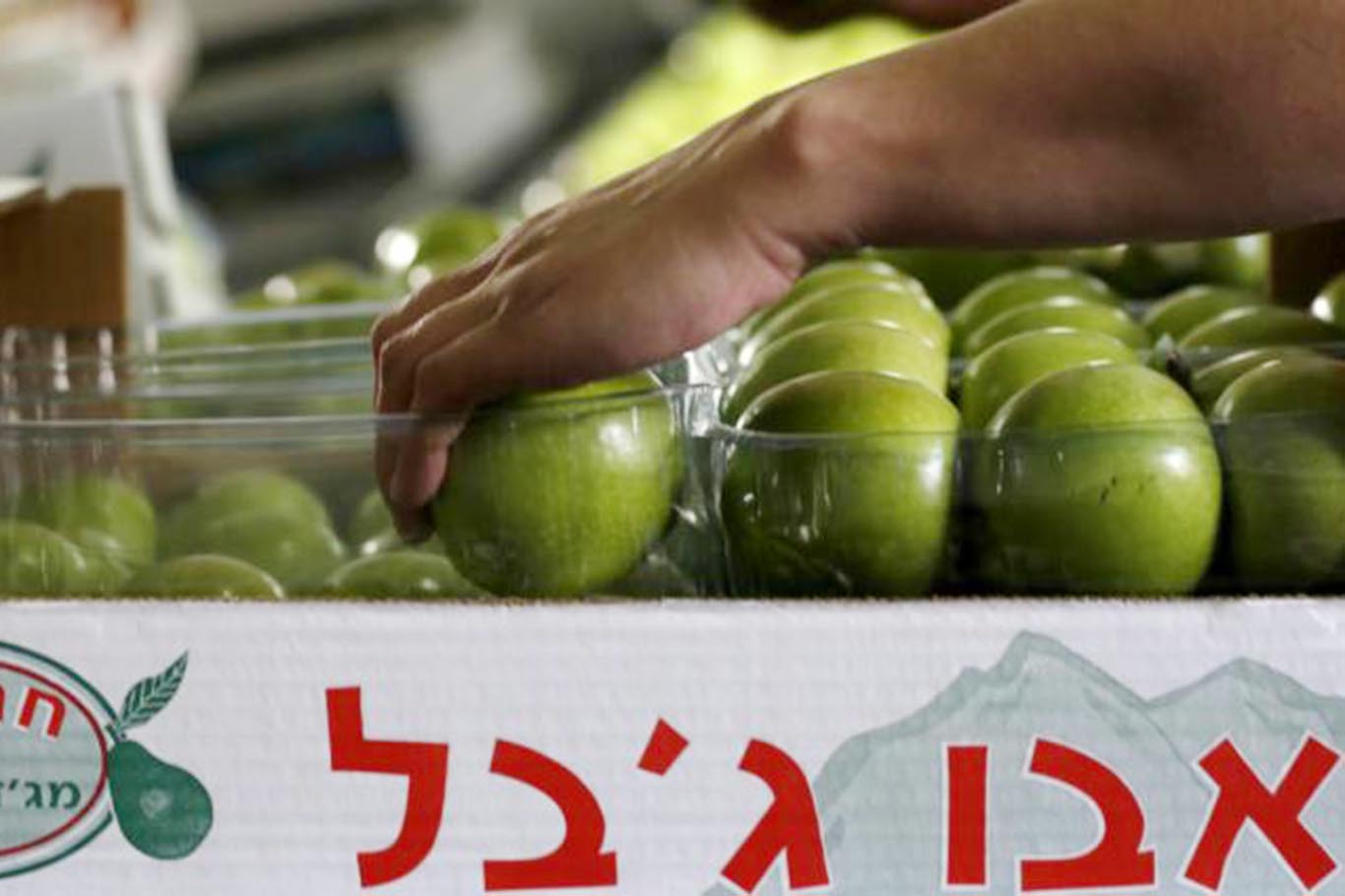
The Netherlands will officially ban the import and trade of goods produced in illegal Israeli settlements beginning September 22, marking a significant step toward preventing economic support for Israel's settlement enterprise in the occupied Palestinian territories.
Dutch Foreign Minister Tom Berendsen informed parliament that the measure, first approved by the cabinet in May, will now take effect later this year after the government finalized its implementation timeline.
The ban follows growing political support within the Netherlands, where a parliamentary majority had previously called for a nationwide prohibition on both the import and transit of products originating from Israeli settlements established on occupied Palestinian land in violation of international law.
The new policy extends beyond imports, prohibiting the trade of settlement products and requiring Dutch companies operating abroad to comply with the restrictions. The government also outlawed attempts to circumvent the ban, with the measure expected to remain in force for an initial period of three years.
Although the Dutch Council of State acknowledged potential challenges in enforcing the policy, it raised no legal objections to the measure. The government has accepted that implementation may present practical difficulties but maintains that the ban is necessary to ensure Dutch economic activities do not contribute to Israel's settlement expansion.
The Dutch government has repeatedly advocated for a European Union-wide ban on settlement goods, arguing that a coordinated approach would strengthen international efforts to uphold international law. However, the proposal has yet to secure sufficient backing among EU member states.
In the absence of a bloc-wide agreement, several European countries—including Belgium, Spain and Ireland—have already introduced national measures targeting economic ties with Israeli settlements.
The decision also follows the publication of a report by legal organization Global Echo, which found that the Netherlands has become the largest destination within the European Union for products originating from Israeli settlements, highlighting the country's central role in the trade of goods produced on occupied Palestinian land.
Israeli settlements in the occupied West Bank and the occupied Syrian Golan Heights are widely regarded as illegal under international law. The United Nations has repeatedly affirmed that the settlements violate the Fourth Geneva Convention and has documented widespread violence, intimidation and land seizures carried out by Israeli settlers against the Palestinian population under the protection of the occupation authorities.
Announcing the policy earlier this year, Dutch Prime Minister Rob Jetten said the objective is to ensure that Dutch society does not become complicit in sustaining Israel's unlawful occupation through commercial activity.
"We want to prevent Dutch society, through its economic activities, from contributing to an unlawful occupation and the maintenance of illegal settlements," Jetten said.
The decision has been welcomed by advocates of Palestinian rights as an important step toward holding Israel accountable for its settlement policies and reinforcing international legal principles prohibiting the acquisition and exploitation of occupied territory. (ILKHA)
LEGAL WARNING: All rights of the published news, photos and videos are reserved by İlke Haber Ajansı Basın Yayın San. Trade A.Ş. Under no circumstances can all or part of the news, photos and videos be used without a written contract or subscription.
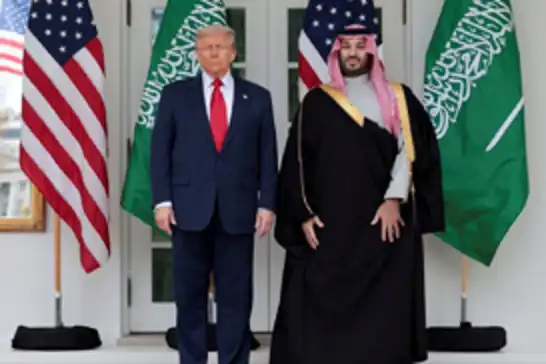
US President Donald Trump has formally approved a landmark 30-year civilian nuclear cooperation agreement with Saudi Arabia, a move that could allow the kingdom to develop a domestic uranium enrichment capability while significantly expanding American involvement in its nuclear energy sector.

Ukrainian President Volodymyr Zelensky has dismissed Commander-in-Chief Oleksandr Syrskyi and appointed Lieutenant General Mykhailo Drapatyi to lead the armed forces in one of the most significant command changes since the war with Russia began.
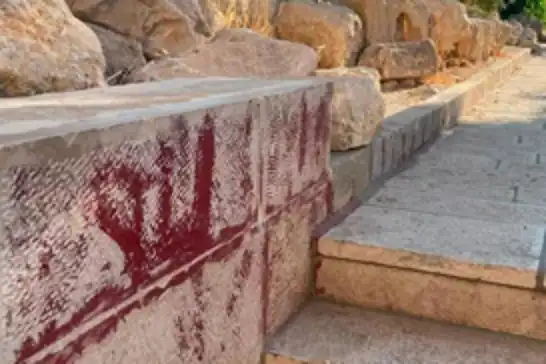
Israeli settlers have defaced stones in the eastern courtyard of Al-Aqsa Mosque by painting the so-called "Messiah" symbol, in as a dangerous provocation aimed at advancing the Judaization of Islam's third-holiest site and undermining its historic and religious identity.