Trump approves landmark 30-year U.S.-Saudi nuclear cooperation agreement
 13 oC
13 oC 
Güneşli

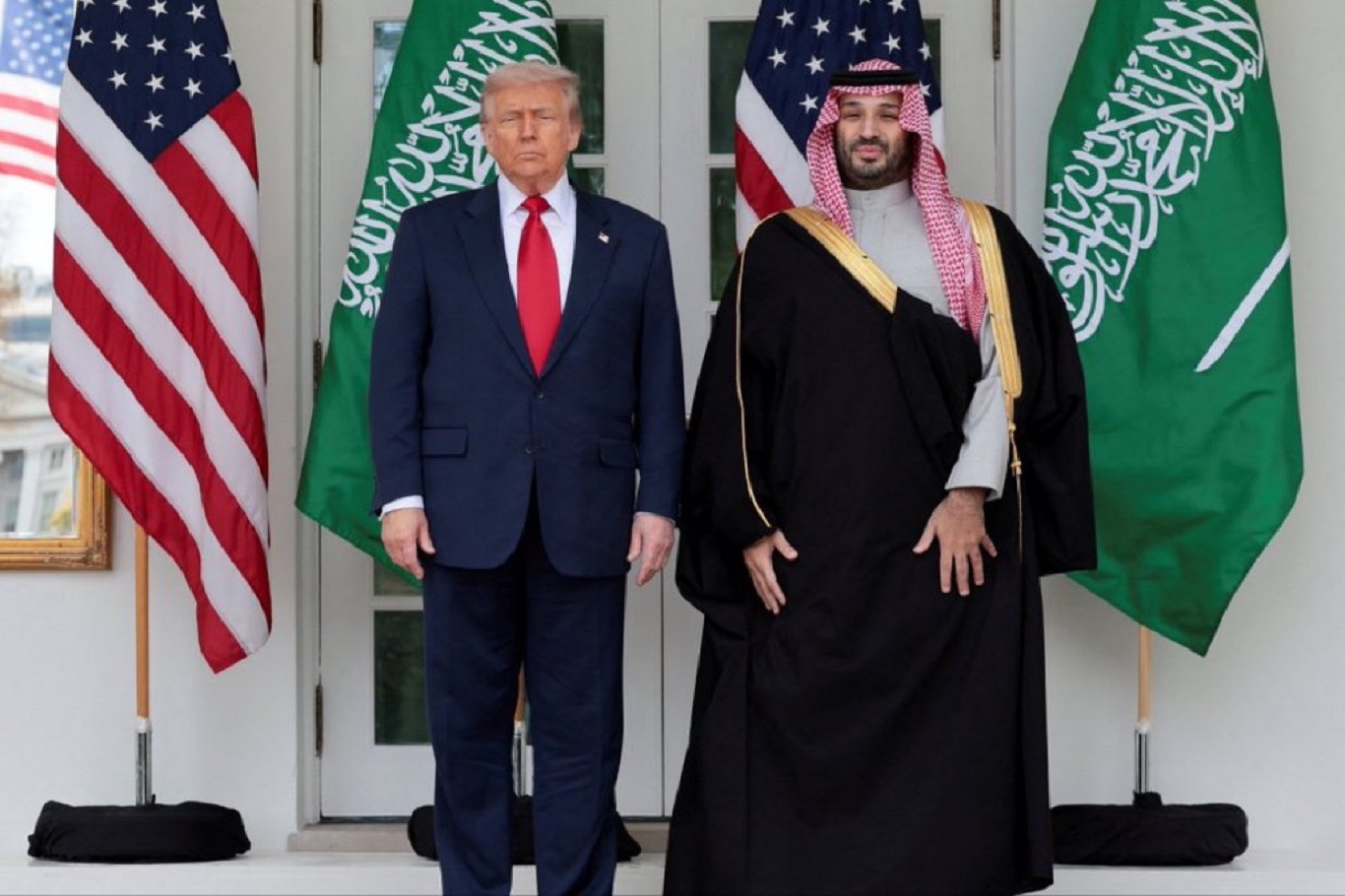
US President Donald Trump has formally approved a landmark 30-year civilian nuclear cooperation agreement with Saudi Arabia, a move that could allow the kingdom to develop a domestic uranium enrichment capability while significantly expanding American involvement in its nuclear energy sector.
According to US administration officials, the agreement—valued at tens of billions of dollars—would give American companies a leading role in building Saudi Arabia's civilian nuclear infrastructure, strengthening bilateral strategic ties while limiting the participation of competing foreign suppliers, particularly Russia and China.
A central provision of the agreement would permit US companies to construct a uranium enrichment facility in Saudi Arabia if a joint American-Saudi feasibility study concludes that such a project is necessary. Trump administration officials argue that keeping the program under US oversight would provide Washington with greater influence over Saudi Arabia's nuclear activities and reduce the risk of the technology being diverted for military purposes.
The agreement is expected to be submitted to the US Congress in the coming days under the framework of a Section 123 Agreement, the legal mechanism governing US civilian nuclear cooperation with foreign countries. Lawmakers will have a review period during which they can seek to block the deal, although doing so would require overcoming significant procedural hurdles.
The proposal is already drawing bipartisan scrutiny from members of Congress and nuclear non-proliferation experts, who argue that allowing Saudi Arabia to enrich uranium could increase the risk of nuclear proliferation in the Middle East.
Unlike the nuclear cooperation agreement the United States signed with the United Arab Emirates in 2009—which prohibited uranium enrichment and spent fuel reprocessing—Saudi Arabia has not accepted those restrictions, often referred to as the "gold standard" of US nuclear agreements.
Another point of contention is that the reported agreement does not include the International Atomic Energy Agency's (IAEA) Additional Protocol, which provides inspectors with expanded authority to verify that nuclear programs remain exclusively peaceful. Critics say the omission could weaken international oversight of the Saudi nuclear program.
Saudi Arabia has long argued that it seeks nuclear technology to diversify its energy mix as part of its Vision 2030 economic transformation strategy. However, Crown Prince Mohammed bin Salman has previously stated that if Iran were to acquire a nuclear weapon, Saudi Arabia would seek one as well—a position that continues to fuel international concerns over the kingdom's long-term nuclear ambitions.
The agreement also marks a departure from the previous US approach, under which nuclear cooperation with Saudi Arabia had been linked to broader diplomatic objectives, including normalization of relations between Saudi Arabia and Israel. The Trump administration has instead pursued the agreement as a standalone strategic and commercial initiative.
If approved by Congress, the agreement would represent one of the most significant US-Saudi strategic partnerships in recent years, reshaping civilian nuclear cooperation in the Middle East while intensifying debate over regional security, non-proliferation safeguards and the future balance of power in the Gulf. (ILKHA)
LEGAL WARNING: All rights of the published news, photos and videos are reserved by İlke Haber Ajansı Basın Yayın San. Trade A.Ş. Under no circumstances can all or part of the news, photos and videos be used without a written contract or subscription.

Three migrants, including a 10-year-old child, died Monday after a small boat carrying more than 100 people encountered difficulties while attempting to cross the English Channel from northern France to the United Kingdom, French authorities said.

The death toll from severe flooding triggered by heavy monsoon rains in India's northern Uttar Pradesh state has risen to 81, while 62 others have been injured.
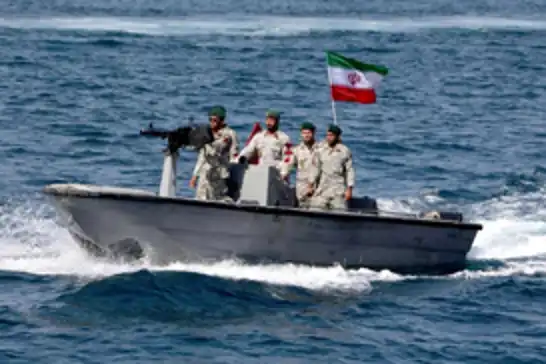
Eight US Marines were injured during an operation carried out by the Islamic Republic of Iran against a vessel in the Strait of Hormuz on September 14, according to reports.

Hundreds of Muslims gathered inside the historic Shahi Masjid in Ujjain, Madhya Pradesh, to oppose plans to remove part of the mosque as part of a road-widening project being carried out ahead of the 2028 Simhastha Kumbh pilgrimage.