Pentagon fires senior general amid US crackdown on Iran war leaks
 13 oC

Güneşli

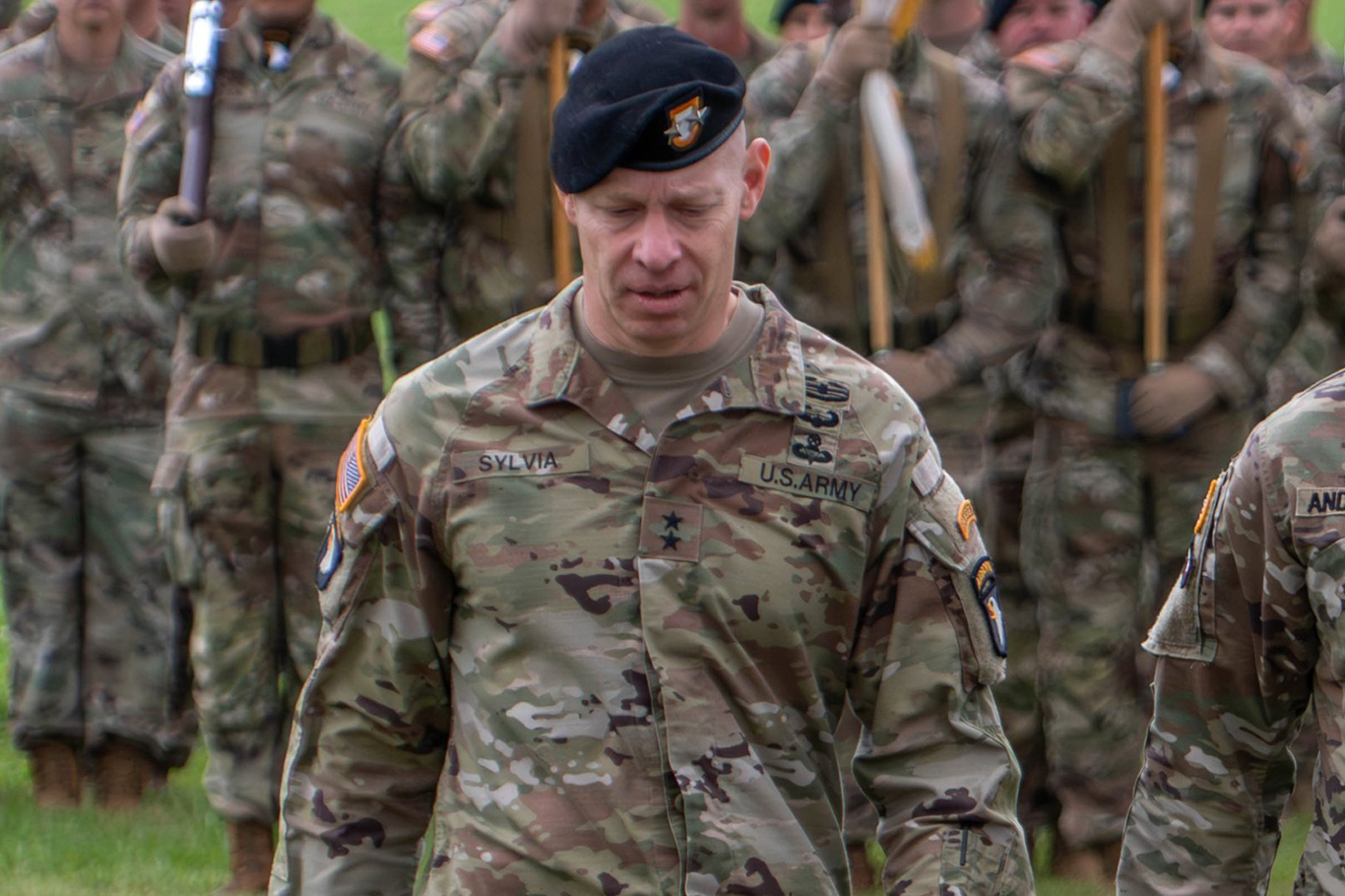
US Defense Secretary Pete Hegseth has dismissed Army Lieutenant General Brett Sylvia, a senior military strategist at the Pentagon, amid an expanding crackdown on officials suspected of leaking classified information about Washington’s war against Iran.
The dismissal comes as the administration of President Donald Trump faces growing scrutiny over the financial and military costs of the conflict, with the Pentagon tightening its control over information related to military operations and preparations for possible renewed strikes against Iran.
A senior Pentagon official, speaking on condition of anonymity, alleged that Sylvia had failed three polygraph examinations during questioning about suspected leaks. The official said Hegseth ordered his immediate dismissal, claiming the alleged disclosures posed a threat to national security.
However, the allegations have not been independently established, and Sylvia was not immediately available for comment.
The case highlights the administration’s increasingly aggressive efforts to control information surrounding the Iran war, as questions mount over the cost of military operations, the consumption of US weapons stockpiles and the prospect of further escalation.
Pentagon spokesperson Sean Parnell said the decision followed an extensive investigation by the Air Force Office of Special Investigations. He added that the case, along with others, had been referred to the US Department of Justice for possible legal action.
“Our commitment was not an empty promise. We vowed to find you, and we meant it,” Parnell said.
The Pentagon has not publicly detailed the specific information Sylvia is accused of disclosing.
Pentagon Tightens Control Over Iran War Coverage
Sylvia headed the Directorate for Strategy, Plans and Policy, known as J5, within the Joint Staff. The directorate plays a central role in military planning and advises General Dan Caine, chairman of the Joint Chiefs of Staff.
Before taking up the post, Sylvia commanded the US Army’s 101st Airborne Division. His dismissal was first reported by The Atlantic magazine.
Trump also addressed the case, saying his administration was pursuing suspected leakers. He mistakenly referred to Sylvia as a woman while discussing the dismissal with reporters.
“We’re very much looking for leakers, and she’s going to have big problems, long-term problems,” Trump said.
The latest action forms part of a wider campaign by Hegseth to identify officials suspected of disclosing classified information. The Pentagon has established a task force to investigate leaks and expanded the use of polygraph examinations among senior personnel.
Hegseth has also introduced a restrictive media policy that prompted legal concerns among press freedom organizations. Journalists who declined to sign the policy subsequently lost their Pentagon press credentials.
The measures have raised questions about transparency and the ability of journalists to scrutinize military decisions, particularly as Washington pursues a costly and potentially prolonged confrontation with Iran.
Iran War Raises Questions Over US Military Costs
The dismissal comes as the US military prepares for the possibility of renewed intensive bombing operations against Iran. Trump has referred to the prospect of further attacks as “another little Epic Fury.”
The administration’s language has downplayed the potential consequences of another round of military action, even as the conflict places additional demands on US weapons stockpiles and public finances.
Reuters reported Wednesday that an internal US military analysis estimated the cost of replenishing munitions used against Iran at more than $29 billion. The figure represents the bulk of the more than $47 billion spent on military operations during the war, according to the report.
The figures underscore the enormous financial burden associated with the campaign and raise questions about the sustainability of Washington’s military strategy.
While the Pentagon has framed its leak investigations as necessary to protect national security, the crackdown is unfolding alongside preparations for further attacks on Iran and growing sensitivity surrounding reports on the war’s costs and operational planning.
For Iran, the prospect of renewed US strikes represents a continuation of Washington’s coercive approach, in which military pressure remains a central instrument of policy. Critics of that approach argue that further escalation risks deepening regional instability rather than resolving the underlying political disputes.
The Pentagon has not announced a timetable for any renewed bombing campaign. Meanwhile, the investigation into Sylvia and other suspected leakers adds another layer of tension within the US defense establishment as the administration confronts the military, financial and political consequences of its confrontation with Iran. (ILKHA)
LEGAL WARNING: All rights of the published news, photos and videos are reserved by İlke Haber Ajansı Basın Yayın San. Trade A.Ş. Under no circumstances can all or part of the news, photos and videos be used without a written contract or subscription.
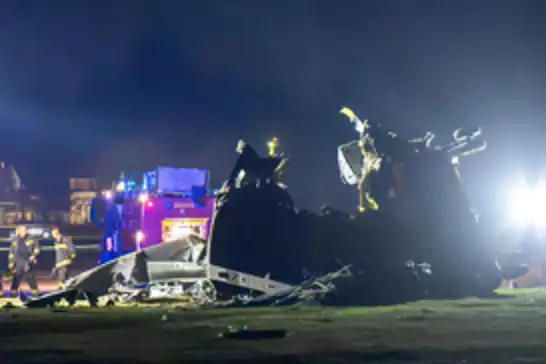
Four people were killed and 11 others injured on Thursday when an Italian military helicopter serving with the European Union's peacekeeping mission in Bosnia and Herzegovina crashed during a routine mission near the northern town of Brčko, according to local medical officials and EUFOR.

The Hope Caravan Foundation (Umut Kervanı Vakfı) has inaugurated a new school complex in the Savé region of Benin, providing hundreds of local students with access to education and modern learning facilities.
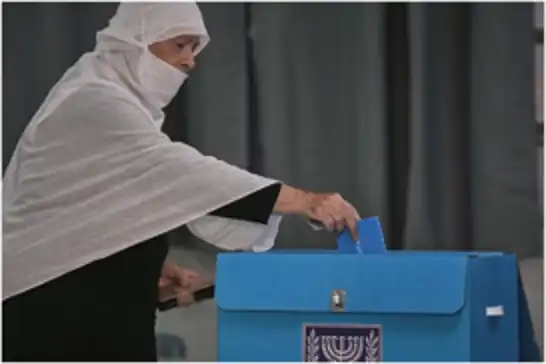
Qatar's Ministry of Foreign Affairs has rejected allegations that it interfered in the occupation regime's elections or financed activities aimed at influencing the outcome of the vote.