Pezeshkian says Mecca defense pact can advance Muslim unity, voices distrust of US
 13 oC
13 oC 
Güneşli

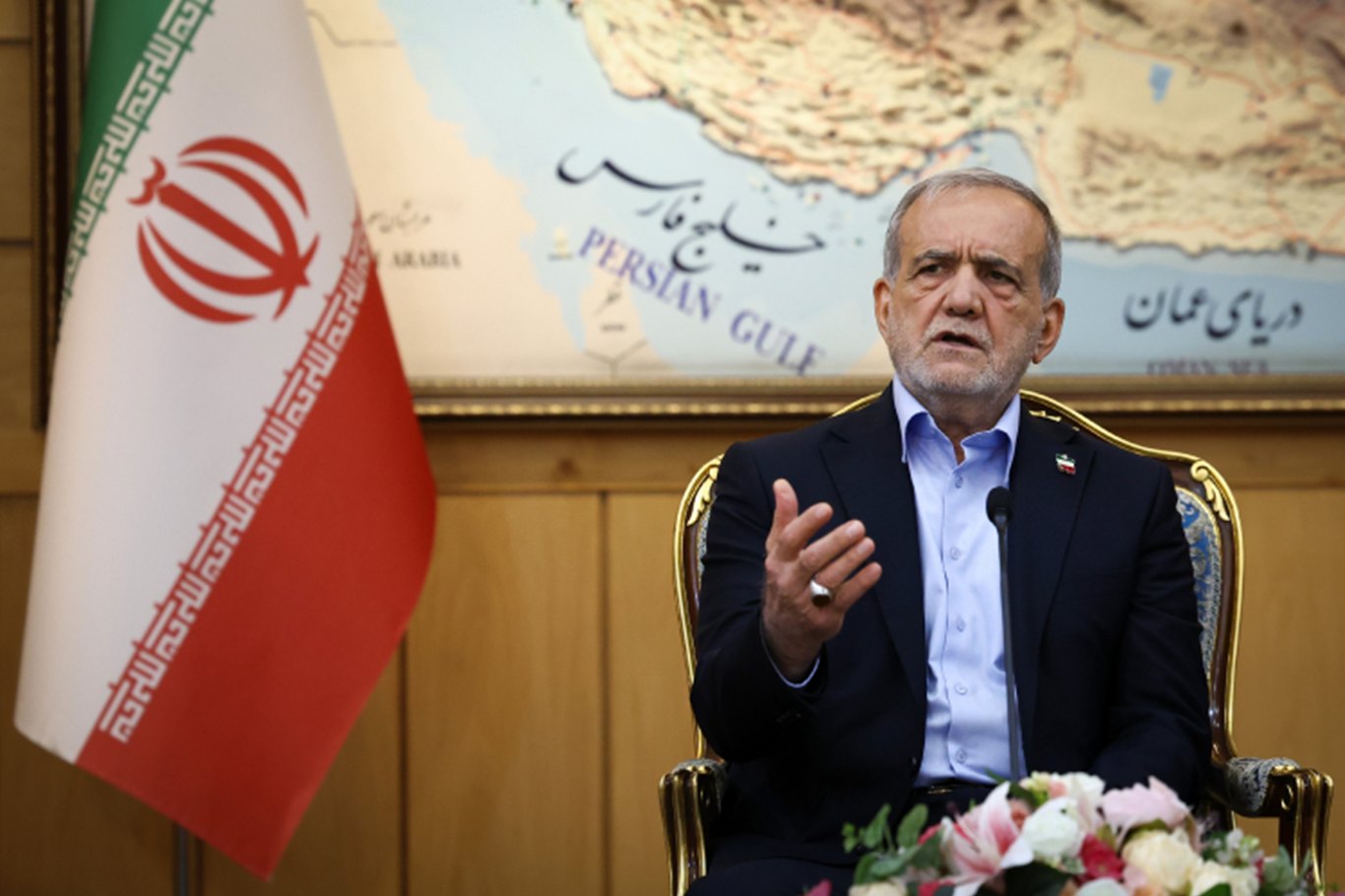
Iranian President Masoud Pezeshkian described the Mecca Defense Agreement signed by Saudi Arabia, Türkiye and Pakistan as a positive step toward Muslim unity while expressing deep distrust of Washington over stalled nuclear negotiations in an interview with Qatar-based broadcaster Al Jazeera.
Pezeshkian addressed a range of regional issues, including the trilateral defense agreement, negotiations with the United States, the status of the Strait of Hormuz and Iran’s relations with neighboring countries, including Saudi Arabia and Yemen’s Houthi movement.
Pact not directed against Iran, Pezeshkian says
Asked about the defense agreement, Pezeshkian said Tehran did not view the pact as a move directed against Iran.
“This is a positive step taken toward the unity of Muslims,” he said, describing the agreement as an opportunity for Muslim countries to strengthen cooperation rather than confront one another.
He said regional countries should work together to resolve their differences and promote greater unity within the Muslim world.
“This step could be one taken for Muslims to sit side by side instead of fighting, and to achieve Islamic unity,” Pezeshkian said.
Iran says it does not trust Washington
On nuclear negotiations with the United States, Pezeshkian said Tehran remained deeply skeptical of Washington and was uncertain about the basis for reaching a new agreement.
“We have no trust in the American side, and we don't know on what basis an agreement could be reached,” he said.
Pezeshkian said Iran was waiting for Washington to clarify its position on Tehran’s latest proposal. He added that Qatar and Pakistan had conveyed Iranian messages to U.S. officials and said the current diplomatic contacts were based on an understanding reached between the two sides in June.
The comments come amid continuing uncertainty over efforts to revive negotiations between Tehran and Washington following months of heightened tensions over Iran’s nuclear program.
Hormuz closure linked to war
Pezeshkian also rejected accusations that Iran was solely responsible for the closure of the Strait of Hormuz.
He argued that Iran’s own maritime routes had effectively been blocked and described the disruption of shipping through the strategic waterway as a natural response to the situation.
Pezeshkian said the strait could be reopened to commercial shipping if the war ended through negotiations.
The Strait of Hormuz, which separates Iran from the Arabian Peninsula, is a critical global energy route through which a significant share of the world's oil and liquefied natural gas shipments normally passes.
Pezeshkian also described the United States as the aggressor in the conflict, saying Iran had not attacked another country for roughly 200 years.
Tehran rejects outside role in regional security
Pezeshkian said regional security should be managed through cooperation among countries in the region rather than through intervention by outside powers.
“We do not need a regional police,” he said, accusing the United States and Israel of seeking to divide regional countries in order to maintain influence over the region's resources.
He also suggested that Saudi Arabia could play a role in strengthening cooperation and unity among Muslim countries.
Addressing tensions involving Yemen's Houthi movement and Saudi Arabia, Pezeshkian rejected claims that the group's actions were directed by Iran and called for disputes to be resolved through dialogue.
“A brother should not fight his Muslim brother,” he said.
Pezeshkian says Iran facing challenges but united
On domestic affairs, Pezeshkian said Iran was experiencing an unprecedented level of national unity and solidarity.
He said his government was working to address accumulated domestic challenges while accusing the United States and Israel of seeking to prevent Iran from becoming self-sufficient.
Pezeshkian said the Iranian people would continue to withstand external pressure and pursue greater economic and political self-reliance. (ILKHA)
LEGAL WARNING: All rights of the published news, photos and videos are reserved by İlke Haber Ajansı Basın Yayın San. Trade A.Ş. Under no circumstances can all or part of the news, photos and videos be used without a written contract or subscription.
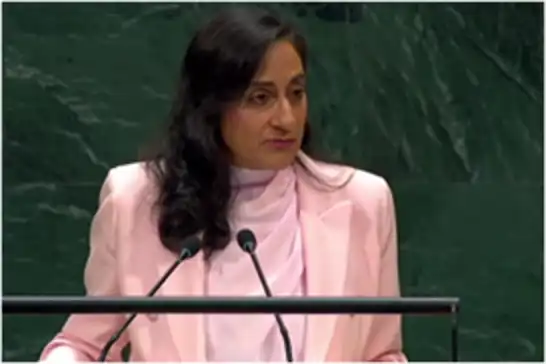
Canada’s Foreign Minister Anita Anand said Saturday that Palestinians have an equal right to self-determination and called for the establishment of an independent Palestinian state alongside Israel, while describing Israeli settlements in the occupied West Bank as illegal under international law.
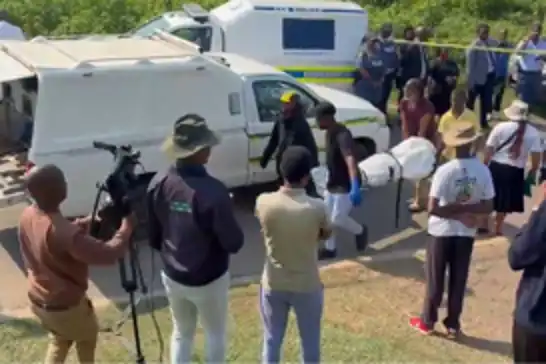
At least 27 people were killed in two separate mass shootings in South Africa, police said Sunday, with gunmen targeting an entertainment venue near Johannesburg and another in a township outside Cape Town.

Four people were killed Saturday after a helicopter crashed and caught fire southeast of Montreal, Quebec provincial police said.