Russia and North Korea approach completion of bridge to boost military supply lines
 13 oC
13 oC 
Güneşli

A newly constructed road bridge linking Russia and North Korea is drawing growing international scrutiny, with analysts suggesting the project could significantly enhance military logistics between the two countries despite being officially presented as an initiative to expand trade and tourism.
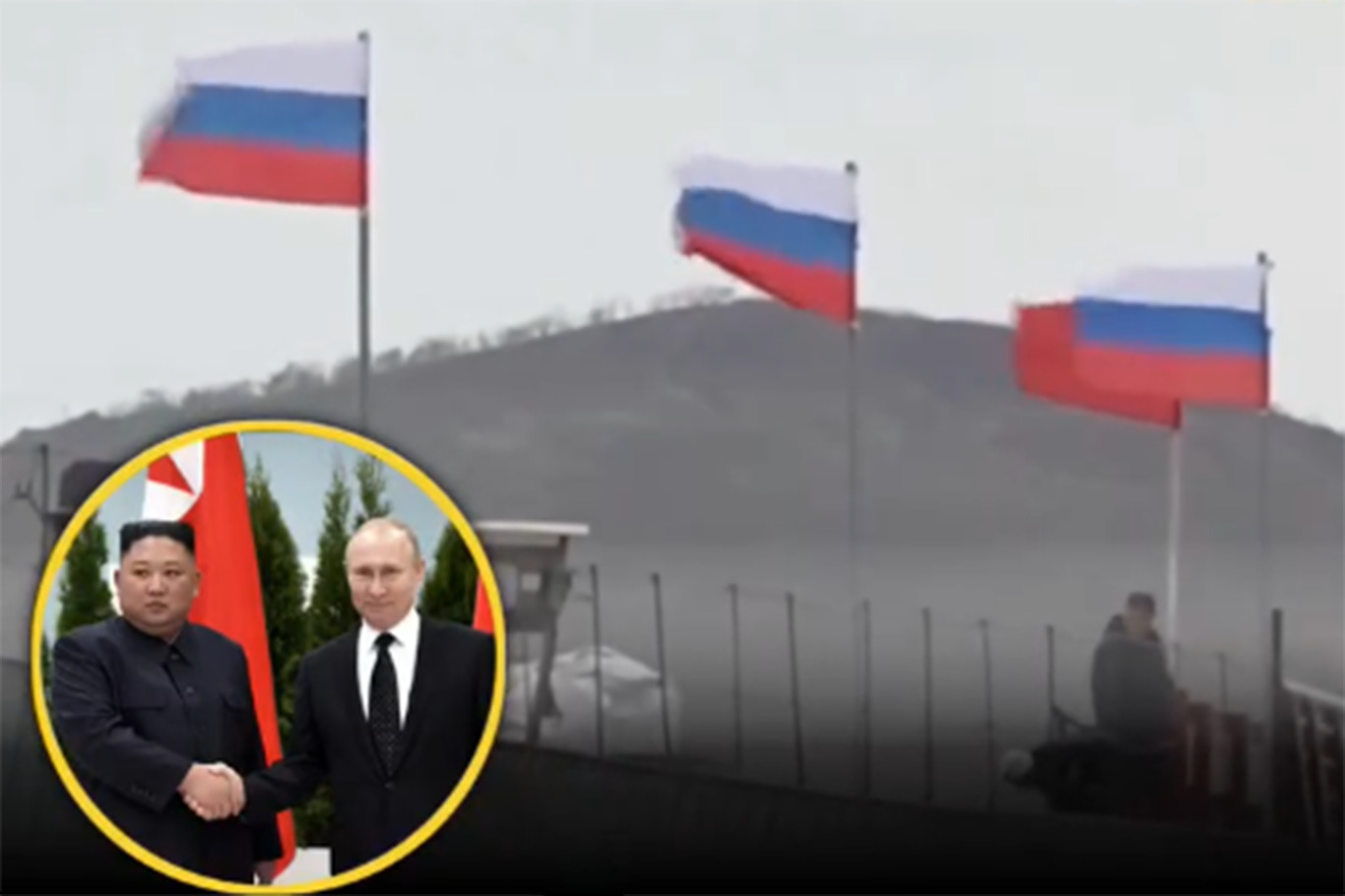
The crossing, a 1-kilometer, two-lane bridge spanning the Tumen River, will connect Khasan in Russia's Far East with Tumangang in North Korea. It will become the first permanent road bridge between the neighboring countries.
North Korea has reportedly completed its section of the project, including customs and quarantine facilities, ahead of an initially planned June opening. Russia, however, has yet to finish its side, and officials have not announced a revised inauguration date.
Russian authorities have described the bridge as an important step toward strengthening bilateral economic ties.
Transport Minister Andrey Nikitin said the crossing would help increase mutual trade, improve logistics, expand tourism, and promote economic development in border regions.
North Korea's state-run KCNA has similarly portrayed the project as a means of facilitating travel and boosting the exchange of goods between the two countries.
Despite the official narrative, analysts have questioned the project's economic rationale.
The bridge is estimated to have cost more than $100 million, while bilateral trade between Russia and North Korea totaled only about $34 million in 2024. Tourism between the two countries also remains limited, with reports indicating that only around 10,000 Russian tourists visit North Korea annually under tightly controlled travel arrangements.
Given the relatively modest volume of trade and tourism, several observers argue that the project's financial justification appears weak.
An investigation by Ukrainian human rights organization Truth Hounds, shared with The Guardian, argues that the bridge's primary value lies in military logistics rather than commercial activity.
According to the report, road transportation offers several operational advantages over rail. Trucks are more difficult to monitor through satellite imagery because their cargo is less visible than that of railway wagons. Road freight can also be loaded and unloaded more rapidly, reducing the time military shipments remain exposed to aerial surveillance.
The report also notes that the new road connection eliminates the need to transfer cargo between different railway gauges used by Russia and North Korea on the existing Friendship Bridge rail crossing, potentially allowing faster transportation of equipment and supplies.
Satellite imagery examined during the investigation reportedly shows additional infrastructure on the Russian side of the crossing, including approach roads and a helicopter landing area.
The bridge project comes amid rapidly expanding military ties between Moscow and Pyongyang.
Construction began after Russian President Vladimir Putin and North Korean leader Kim Jong Un signed a comprehensive strategic partnership agreement in June 2024, significantly strengthening cooperation between the two countries.
Western and Ukrainian officials have since reported growing North Korean support for Russia's military campaign in Ukraine.
According to Ukrainian authorities, more than 14,000 North Korean troops have fought alongside Russian forces in the Kursk region, while President Volodymyr Zelensky has claimed that Moscow could receive an additional 30,000 North Korean soldiers, although these figures have not been independently verified.
Previous reporting by Reuters also cited satellite imagery indicating that thousands of shipping containers were transported from North Korea's port of Rason to Russia in 2023. Analysts assessed that the shipments likely contained artillery ammunition and possibly short-range missiles destined for Russian forces.
Security experts say the bridge could further facilitate the exchange of military equipment, weapons technology, and strategic resources between the two countries while making such transfers more difficult to detect.
Researchers involved in the investigation argue that the improved transport link could increase the efficiency of logistical cooperation and reduce transparency regarding cross-border military movements.
The Kremlin has not publicly responded to the allegations contained in the investigation.
The bridge forms part of a broader 4.7-kilometer transport corridor, including new approach roads and supporting infrastructure, highlighting the increasingly close strategic partnership between Russia and North Korea as both countries face growing international isolation and sanctions.
Analysts say the project illustrates how infrastructure investments along the Russia-North Korea border are increasingly viewed not only through an economic lens but also as having significant geopolitical and security implications. (ILKHA)
LEGAL WARNING: All rights of the published news, photos and videos are reserved by İlke Haber Ajansı Basın Yayın San. Trade A.Ş. Under no circumstances can all or part of the news, photos and videos be used without a written contract or subscription.
A Belgian shopkeeper has died after suffering critical injuries while intervening to protect a woman who was allegedly subjected to racist and Islamophobic abuse on a tram in Brussels.

Ukrainian President Volodymyr Zelensky met with U.S. President Donald Trump at the White House on Tuesday for talks focused on reviving diplomatic efforts to end Russia’s war against Ukraine, strengthening Ukraine’s air defenses, and exploring possible steps toward a ceasefire.
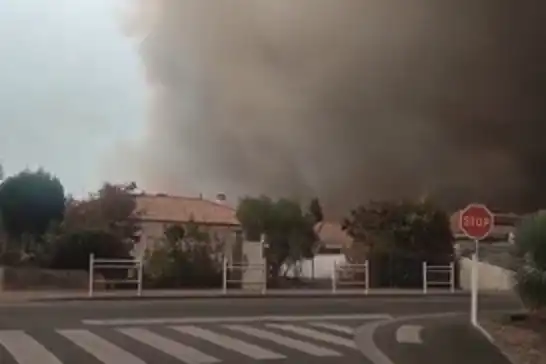
French authorities have ordered the evacuation of nearly 4,000 more people from tourist areas along the Atlantic coast as soaring temperatures and deteriorating weather conditions threaten to reignite one of the largest wildfires in the country’s recent history.