Russia successfully test launches new Soyuz-5 rocket from Kazakhstan

 13 oC
13 oC 
Güneşli

Russia’s space program has reached a new milestone after successfully test-launching its next-generation Soyuz-5 rocket, marking the first flight of the new heavy-lift system, according to the country’s space agency.
The rocket lifted off on Thursday from the Baikonur Cosmodrome in Kazakhstan, operating without reported issues during its inaugural flight. The launch was confirmed by the Russian space agency Roscosmos, which said the mission proceeded as planned.
The Soyuz-5, described by Roscosmos as a launch vehicle powered by one of the world’s most powerful liquid-fueled engines, took off at 21:00 Moscow time (18:00 GMT) on April 30.
The rocket is designed to carry payloads of up to 17 metric tons into near-Earth orbit, a capability intended to improve efficiency and reduce launch costs compared to older systems. Officials said it is particularly suited for satellite deployment and future commercial space missions.
Roscosmos emphasized that the successful launch represents a significant step in modernizing Russia’s space infrastructure and strengthening its competitive position in the global space industry.
Roscosmos chief Dmitry Bakanov described the Soyuz-5 as a “new step in space exploration,” adding that the project is expected to create new jobs in both Russia and Kazakhstan, where the Baikonur site is located.
The Baikonur Cosmodrome remains one of the world’s most historic spaceports and continues to play a central role in Russian launch operations under a long-term lease agreement with Kazakhstan.
Bakanov previously informed President Vladimir Putin that Soyuz-5 is the first entirely new launch vehicle developed by Russia since 2014, underscoring its importance in the country’s post-Soviet space development strategy.
The successful test comes as global space competition intensifies, with major powers expanding satellite networks, deep-space exploration programs, and commercial launch capabilities.
While Roscosmos has faced budgetary pressures and international restrictions in recent years, Russian officials continue to emphasize space exploration as a strategic priority and a symbol of technological independence.
Space industry analysts note that the Soyuz-5 program is part of a broader effort by Russia to modernize its launch fleet and maintain competitiveness in the commercial satellite market. The rocket is also expected to support future collaboration with regional partners, including Kazakhstan, and potentially expand Russia’s role in international launch services.
Further test flights and validation missions are expected before the system enters full operational service, with Roscosmos continuing to evaluate performance data from the inaugural launch. (ILKHA)
LEGAL WARNING: All rights of the published news, photos and videos are reserved by İlke Haber Ajansı Basın Yayın San. Trade A.Ş. Under no circumstances can all or part of the news, photos and videos be used without a written contract or subscription.
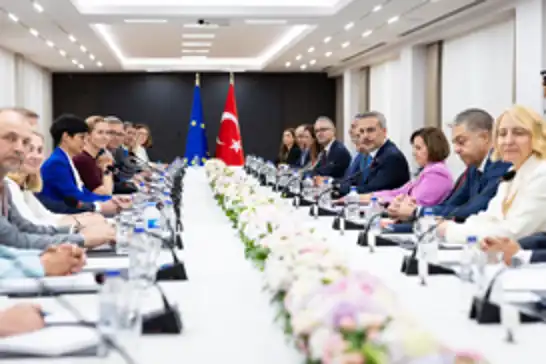
Turkish Foreign Minister Hakan Fidan and senior European Union officials agreed on Tuesday to deepen cooperation on security, trade, migration and regional issues, as Ankara and Brussels sought to strengthen ties amid growing geopolitical challenges.
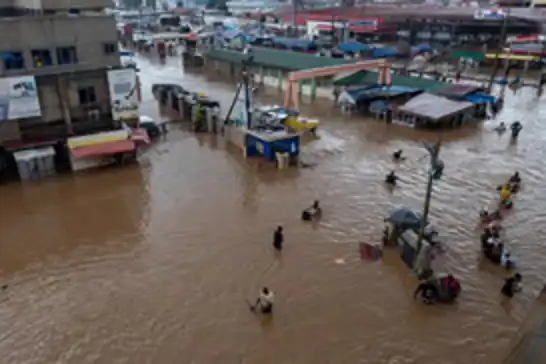
At least 13 people have been killed after torrential rainfall triggered severe flooding across Ghana’s capital, Accra, authorities said, as emergency teams continued rescue and recovery operations amid warnings of more heavy rain.
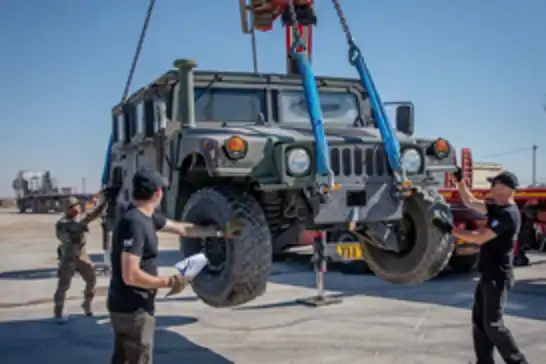
Hamas on Tuesday expressed hope that the arrival of an international stabilization force in the Gaza Strip would mark the beginning of the full implementation of the ceasefire agreement and pave the way for an end to the Israeli occupation army’s presence among Gaza’s civilian population.
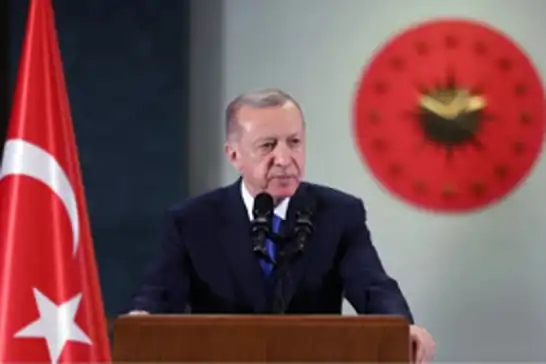
Turkish President Recep Tayyip Erdoğan highlighted Türkiye’s growing defence industry exports, foreign policy engagements, and humanitarian assistance efforts during a press conference following a Cabinet meeting at the Presidential Complex in Ankara.