Thai airstrikes escalate border tensions with Cambodia after deadly clashes
 13 oC
13 oC 
Güneşli

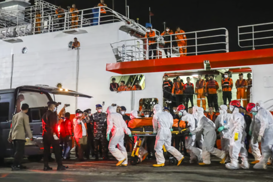
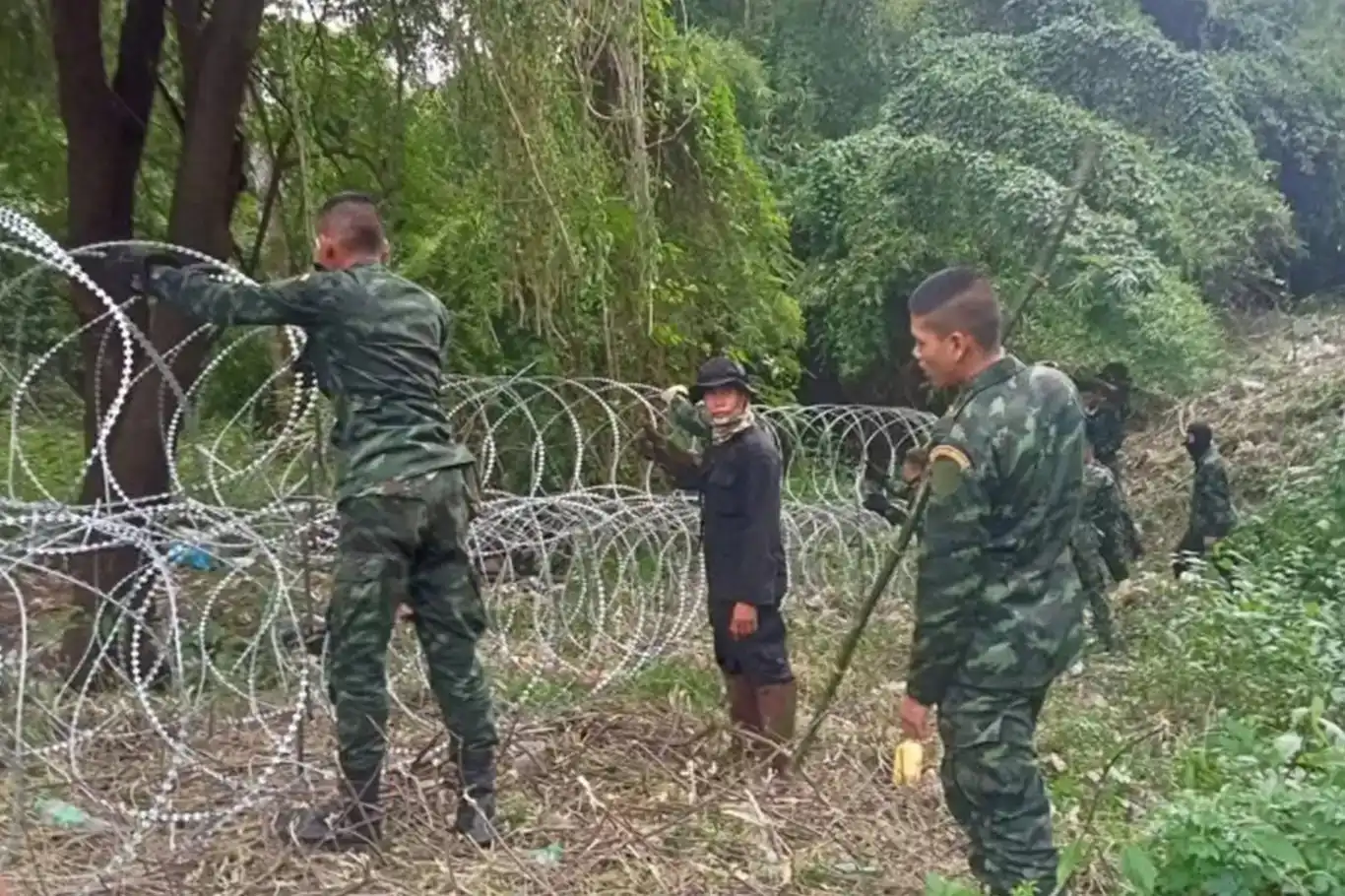
Thailand has launched airstrikes along its disputed border with Cambodia following deadly cross-border clashes that killed one Thai soldier and at least four Cambodian civilians, marking one of the most serious escalations since the two sides agreed to a ceasefire earlier this year.
The renewed violence has triggered widespread displacement, heightened regional anxiety, and raised concerns that longstanding territorial disputes may once again spiral into open conflict.
According to a statement from the Thai military, air assets were deployed after a Thai soldier was shot dead in Ubon Ratchathani province. Major General Winthai Suvaree reported that at least eight others were wounded in the incident, describing the attack as part of a series of armed provocations along the frontier. Thai authorities claimed Cambodian troops opened fire at 05:05 on Monday morning, with confirmation of the soldier’s death arriving roughly two hours later.
Cambodia, however, firmly rejected Thailand’s account. In a statement posted on Facebook, the Cambodian military accused Thailand of initiating the assault amid “days of provocative actions.” The statement asserted that Cambodian forces exercised maximum restraint and did not engage in retaliatory fire. Cambodian Information Minister Neth Pheaktra later told AFP that four Cambodian civilians were killed and at least ten others wounded in the Thai strikes across Oddar Meanchey and Preah Vihear provinces.
The deadly confrontation occurred only a day after brief but intense clashes in Thailand’s Sisaket province, where both sides accused one another of opening fire first. Thailand reported two soldiers injured in that incident and claimed the exchange lasted about 20 minutes. Cambodia stated it had not fired back at any point.
A ceasefire under strain
The escalation threatens to unravel the fragile ceasefire that in July ended five days of heavy fighting which killed at least 48 people and displaced nearly 300,000. The truce was mediated by Malaysian Prime Minister Anwar Ibrahim and U.S. President Donald Trump, and was followed by the signing of an expanded peace agreement in Kuala Lumpur in October.
However, tensions resurfaced last month when Thailand suspended its participation in the agreement after a landmine blast seriously injured one of its soldiers. Thailand accused Cambodia of planting new mines along the border — allegations Phnom Penh rejects, saying the explosion was caused by remnants of past conflicts.
Thai Prime Minister Anutin Charnvirakul, in a nationally broadcast address, said Thailand does not seek conflict but will act decisively to protect its territorial integrity.
“Thailand has never desired violence or initiated clashes,” he said. “But we will not tolerate any violation of our sovereignty.”
Cambodia reiterated that it does not wish to be drawn into a broader confrontation. Its military emphasized adherence to previous agreements and international law, noting that its forces deliberately refrained from responding even while under attack.
Former Cambodian Prime Minister Hun Sen — father of current premier Hun Manet — also called for restraint, accusing Thai forces of attempting to provoke a wider conflict and undermine the ceasefire framework. He urged Cambodian soldiers stationed along the front lines to remain calm and disciplined.
Mass displacement and rising fear
The clashes have triggered large-scale displacement on both sides of the border. Thailand’s Second Army Region announced the evacuation of approximately 35,000 people from several frontier districts. In Cambodia’s Oddar Meanchey province, local authorities reported that many villagers fled to designated safe zones, with schools closing due to concerns over ongoing shelling and airstrikes.
The humanitarian situation remains fluid, with local administrations warning that additional evacuations may be necessary if hostilities deepen.
A century-old dispute with no clear resolution
Thailand and Cambodia have contested sovereignty along several undemarcated points of their 817-kilometer (508-mile) shared land border since the early 20th century, when the area was first mapped during French colonial rule over Cambodia. The disputed sections have repeatedly served as flashpoints, periodically erupting into skirmishes despite diplomatic efforts to resolve overlapping claims.
A notable confrontation occurred in 2011 when a weeklong artillery battle displaced thousands and strained diplomatic ties. Although numerous mechanisms for conflict resolution exist, political tensions, local military dynamics, and historical grievances have long prevented a durable settlement.
Regional actors urge calm
Malaysian Prime Minister Anwar Ibrahim expressed “deep concern” over the renewed clashes, urging both sides to maintain open communication channels and fully utilize existing mechanisms to prevent further violence.
“Our region cannot afford to return to cycles of conflict,” he said, emphasizing Malaysia’s readiness to support efforts to restore stability.
As the situation evolves, observers warn that miscalculation or renewed provocations could ignite a broader crisis, potentially involving regional security blocs and affecting the already fragile stability along Southeast Asia’s borders. (ILKHA)
LEGAL WARNING: All rights of the published news, photos and videos are reserved by İlke Haber Ajansı Basın Yayın San. Trade A.Ş. Under no circumstances can all or part of the news, photos and videos be used without a written contract or subscription.
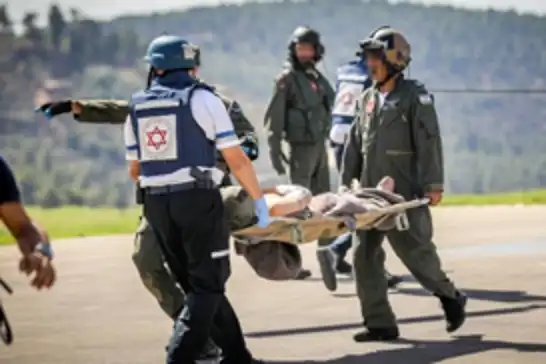
An Israeli soldier was killed and three others lightly wounded in southern Lebanon on Thursday, the Israeli army said, as Israeli forces continue their military presence on Lebanese territory despite a ceasefire agreement and diplomatic efforts to stabilize the region.
A growing wave of hunger strikes in Tunisian prisons has raised serious concerns over the health and safety of detained political opponents, pro-Palestinian activists and civil society figures, as rights groups warn of an intensifying crackdown under President Kais Saied.
Human Rights Watch (HRW) has condemned the Trump administration’s deportation of migrants from the United States to African countries where they have no citizenship or prior ties, describing the policy as unlawful and warning that it deliberately exploits human suffering to deter migration.

US Defense Secretary Pete Hegseth has announced that the execution of former Army psychiatrist Nidal Malik Hasan, who was sentenced to death for killing 13 people in the 2009 Fort Hood shooting, will be carried out by firing squad on December 3 and broadcast live to the public.