Third gene-edited pig kidney transplant performed in the U.S.
 13 oC
13 oC 
Güneşli

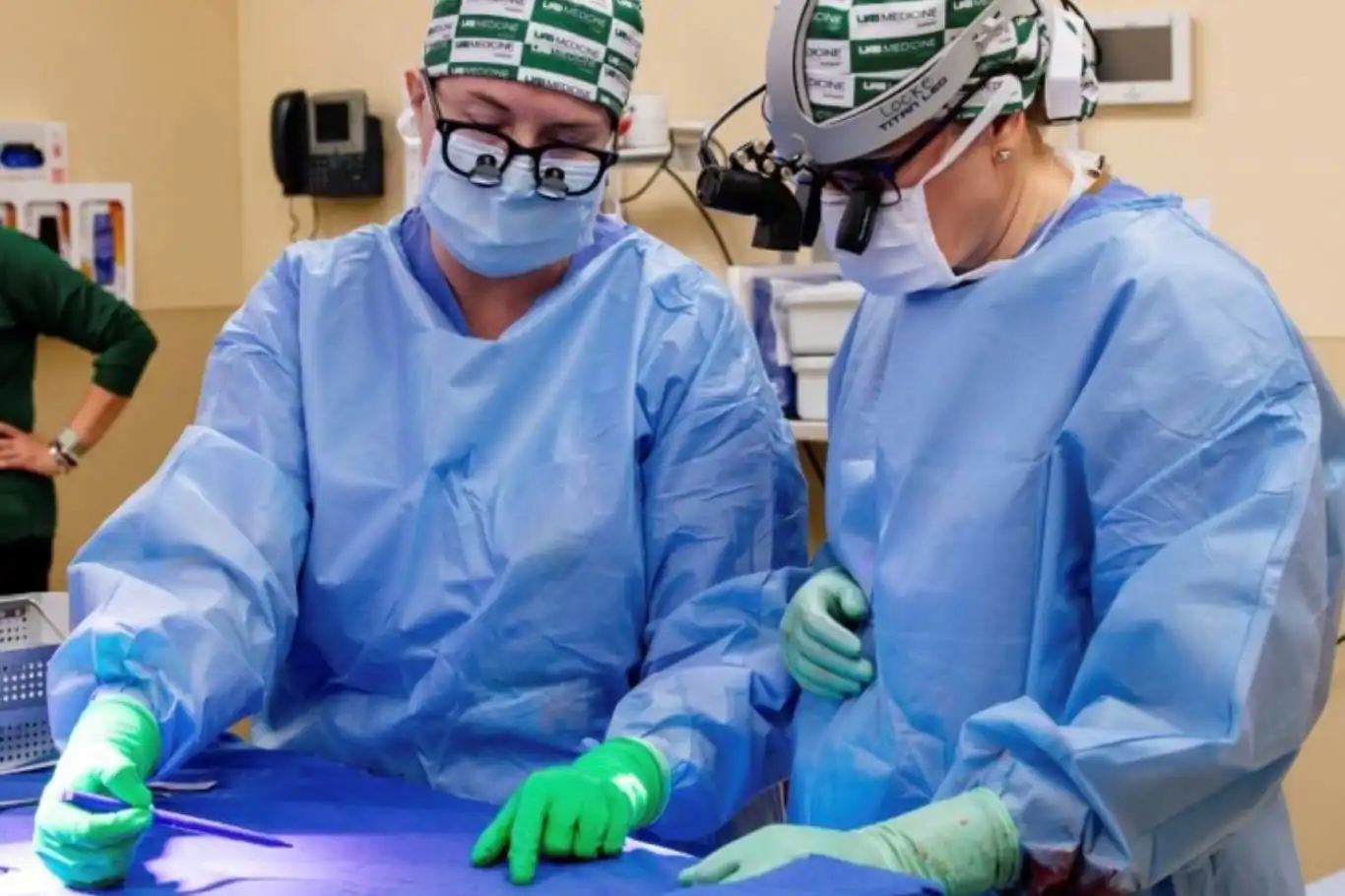
Towana Looney, a 53-year-old woman from Alabama, has become the third person to receive a kidney transplant from a gene-edited pig.
The successful surgery, which was performed at NYU Langone Health, offers renewed hope for individuals facing organ failure.
Looney, who had been on the kidney transplant waiting list for eight years, received the pig kidney in a seven-hour operation on November 25th. This groundbreaking procedure, conducted under the FDA's expanded access program, provides a potential solution for the critical organ shortage.
The pig kidney was developed by Revivicor, a United Therapeutics company, through a complex gene-editing process. The company's innovative approach involves modifying pig cells to prevent rejection and ensure compatibility with the human recipient.
While previous recipients of gene-edited pig organs did not survive long-term, doctors are optimistic about Looney's prognosis. Her overall health prior to the transplant was better than previous recipients, and she is currently recovering well.
This successful transplant marks a significant milestone in the field of xenotransplantation, offering a potential solution for the critical organ shortage. Researchers are hopeful that this breakthrough will pave the way for future clinical trials and ultimately expand access to life-saving organ transplants for individuals in need. (ILKHA)
LEGAL WARNING: All rights of the published news, photos and videos are reserved by İlke Haber Ajansı Basın Yayın San. Trade A.Ş. Under no circumstances can all or part of the news, photos and videos be used without a written contract or subscription.

Afghanistan’s Ministry of Public Health on Monday launched a nationwide polio vaccination campaign targeting more than 12.7 million children under the age of five, as health authorities continue efforts to prevent the spread of the highly infectious disease.

Greek health authorities are intensifying mosquito-control operations as West Nile virus infections continue to rise across the country, with the Attica region around Athens among the areas of greatest concern.

Japan's population aged 65 and older has reached a record 29.6 percent of the country's total population, underscoring the scale of the demographic transformation confronting the world's third-largest economy.
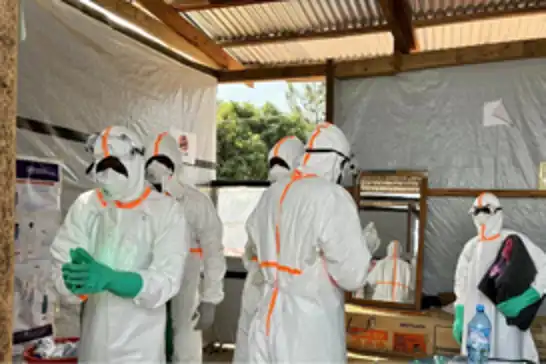
The Democratic Republic of Congo is confronting one of its most severe Ebola outbreaks on record, with more than 7,500 confirmed cases and 3,600 deaths reported as health authorities intensify efforts to contain the rapidly spreading disease.