Trump's approval rating drops to lowest level of presidency, Reuters/Ipsos poll shows
 13 oC
13 oC 
Güneşli

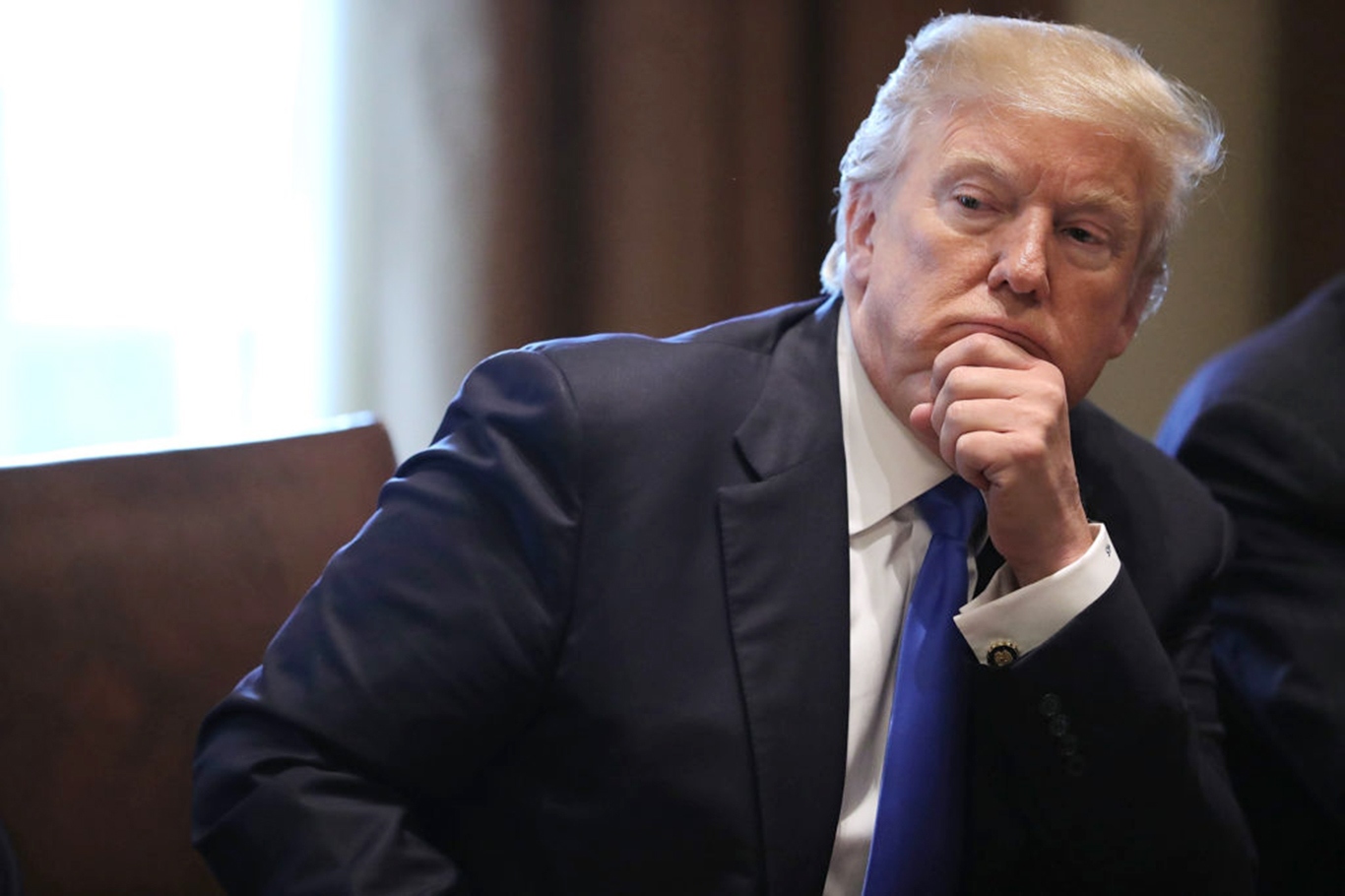
U.S. President Donald Trump's public approval has fallen to the lowest level of his presidency as concerns mount over the prolonged conflict with Iran and its economic consequences, according to a new Reuters/Ipsos poll released on Aug. 17.
The survey found that 33% of Americans approve of Trump's performance as president, while 64% disapprove. His approval rating declined from 35% in an earlier August survey, marking the weakest level of his second term and matching the lowest rating recorded during his first presidency in December 2017.
The findings suggest that public support has eroded as the conflict with Iran has continued beyond the timeline initially anticipated by the administration.
Most Americans expect the war to continue
One of the survey's most significant findings is the widespread expectation that the conflict between the United States and Iran will continue for an extended period.
According to the poll, 80% of respondents believe the fighting is likely to last for a long time. That view is shared by voters across the political spectrum, including 87% of Democrats and 71% of Republicans, indicating that expectations of a prolonged conflict extend well beyond partisan divisions.
Only 16% of respondents believe the military confrontation could end within the next several weeks.
The results underscore growing public skepticism about the prospects for a quick resolution and reflect increasing concern over the long-term implications of the conflict.
Economic impact becomes a growing political challenge
Trump campaigned on promises to reduce inflation, strengthen the U.S. economy and avoid costly, prolonged military engagements abroad.
When military operations against Iran began, administration officials argued that the campaign would be limited in scope and necessary to prevent Tehran from advancing its nuclear program.
However, as hostilities have continued, disruptions to commercial shipping through the Strait of Hormuz have intensified concerns over global energy supplies.
The slowdown in oil and liquefied natural gas shipments through one of the world's most strategic maritime chokepoints has contributed to higher energy costs and increased pressure on fuel prices, adding to inflation concerns in the United States.
Analysts say the economic effects of the conflict could become an increasingly significant political issue if higher transportation and energy costs continue to affect consumers and businesses.
Political implications ahead of midterm elections
The survey indicates that the conflict is creating political challenges not only for the White House but also for Republican lawmakers preparing for the upcoming congressional midterm elections.
With concerns over inflation, energy prices and the duration of the conflict growing, Republicans could face increasing pressure from voters seeking greater economic stability and a clearer strategy for ending the crisis.
The results also suggest that uncertainty surrounding the conflict has begun to influence public attitudes toward the administration more broadly.
Survey details
The Reuters/Ipsos online poll was conducted among 1,166 adults across the United States.
The survey has a margin of error of approximately ±3 percentage points.
The findings point to growing public concern over both the military and economic consequences of the Iran conflict, while highlighting the challenges facing the Trump administration in maintaining domestic support as the crisis continues.(ILKHA)
LEGAL WARNING: All rights of the published news, photos and videos are reserved by İlke Haber Ajansı Basın Yayın San. Trade A.Ş. Under no circumstances can all or part of the news, photos and videos be used without a written contract or subscription.
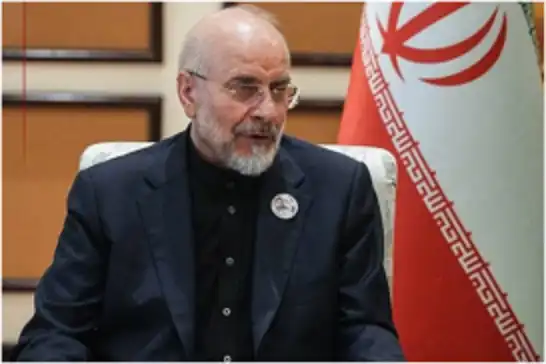
Iranian Parliament Speaker Mohammad Baqer Qalibaf said Sunday that Tehran would continue confronting its adversaries while pursuing both military preparedness and diplomatic efforts, accusing the United States of trying to pressure Iran through contradictory messages and threats.

Mullah Mohammad Hassan Akhund, prime minister of the Islamic Emirate of Afghanistan, has highlighted the historic religious and scholarly ties between Afghanistan and Uzbekistan, saying the region has played a major role in the development of Islamic scholarship.

A Russian drone struck the road surface of Kyiv's Pivnichnyi Bridge on Sunday, Mayor Vitali Klitschko said, as Moscow stepped up attacks on infrastructure in the Ukrainian capital.

A six-year-old Palestinian girl and a young man were killed and at least 10 others injured on Sunday in Israeli attacks in and around Deir al-Balah in the central Gaza Strip, Palestinian medical sources said, highlighting continued Palestinian casualties despite the ceasefire.