Typhoon Bavi makes landfall in eastern China after triggering mass evacuations across East Asia
 13 oC
13 oC 
Güneşli

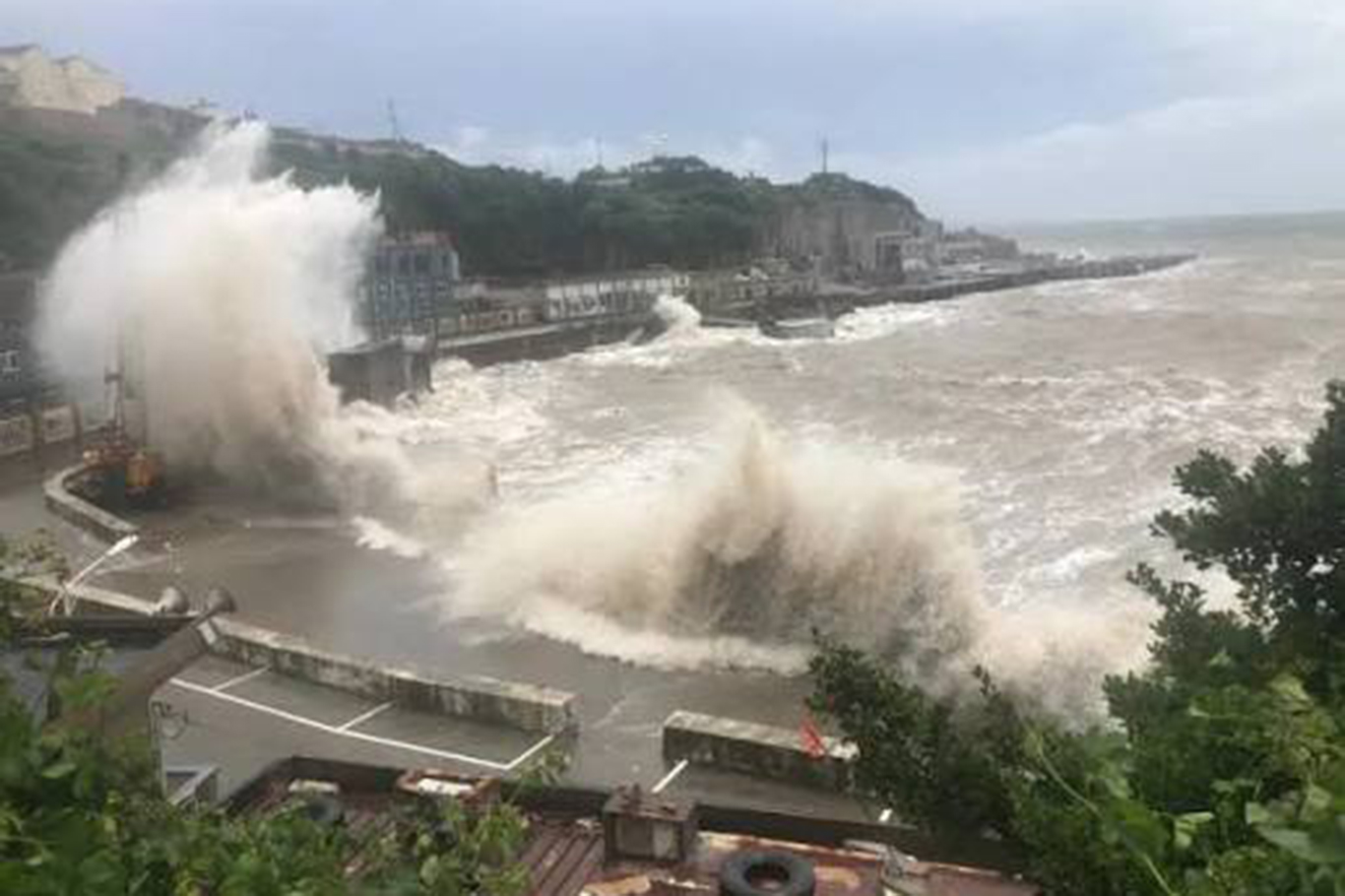
Typhoon Bavi made landfall late Saturday in the eastern Chinese city of Taizhou after sweeping past Japan's southern islands and northern Taiwan, prompting one of the largest evacuation operations of the year as authorities sought to minimize the impact of the powerful storm.
According to China's National Meteorological Center, Bavi came ashore at around 11:20 p.m. local time with maximum sustained winds of approximately 144 kilometers per hour (90 mph), equivalent to a Category 1 hurricane. Although the storm has weakened from its earlier super typhoon intensity, forecasters warned that its vast rain bands continue to pose a serious threat of flooding, landslides, and flash floods across eastern China.
Chinese authorities carried out large-scale precautionary evacuations ahead of the storm's arrival. State media reported that more than 1.7 million people were relocated from Zhejiang Province, while over 100,000 residents were evacuated from neighboring Fujian Province. Additional evacuations took place in Shanghai and Beijing as local governments prepared for heavy rainfall and strong winds. Emergency crews, military personnel, and disaster-response teams were deployed across vulnerable areas, while thousands of shelters were opened for displaced residents.
The storm forced widespread disruptions to transportation and public services. Ferry operations were suspended, flights were canceled or delayed, and schools and tourist attractions were closed in several coastal cities. Chinese authorities also issued an orange typhoon alert and a red rainstorm warning for parts of the affected region, urging residents to avoid unnecessary travel and remain indoors.
Before reaching mainland China, Bavi lashed Japan's southern Sakishima island chain with heavy rain and powerful winds before passing just northeast of Taiwan.
Although Taiwan avoided a direct landfall, authorities implemented extensive precautionary measures, evacuating more than 14,000 residents, primarily from mountainous regions vulnerable to landslides. Nearly 1,200 international and domestic flights were canceled, most schools and government offices were closed, and transportation services operated on reduced schedules. Taiwanese officials reported 113 storm-related injuries, most of them caused by traffic accidents, falling debris, and weather-related falls. No fatalities have been reported on the island.
Japan also experienced heavy rainfall, rough seas, and transportation disruptions across Okinawa Prefecture, but authorities reported no storm-related deaths.
Elsewhere in the region, the Philippines suffered the deadliest consequences of the weather system. Although Bavi did not make landfall there, the typhoon strengthened the southwest monsoon, triggering widespread flooding and landslides that left at least 17 people dead, displaced thousands of residents, and caused significant damage in several provinces.
Chinese forecasters said Bavi is expected to continue weakening as it moves inland toward the northwest. However, meteorologists cautioned that torrential rainfall remains the primary hazard, with some areas forecast to receive several hundred millimeters of rain over the coming days, increasing the risk of flooding and landslides.
The storm comes as East Asia experiences another season of increasingly severe weather, with scientists warning that warmer ocean temperatures and a changing climate are contributing to stronger tropical cyclones and heavier rainfall, placing greater pressure on disaster preparedness and emergency response systems across the region. (ILKHA)
LEGAL WARNING: All rights of the published news, photos and videos are reserved by İlke Haber Ajansı Basın Yayın San. Trade A.Ş. Under no circumstances can all or part of the news, photos and videos be used without a written contract or subscription.

Hundreds of demonstrators gathered in central Stockholm on Saturday to protest Israel's ongoing military operations in the Gaza Strip, alleged ceasefire violations, and continued restrictions on humanitarian aid entering the besieged Palestinian enclave.

HÜDA PAR Chairman Zekeriya Yapıcıoğlu traveled to Bosnia and Herzegovina to participate in the events marking the 31st anniversary of the Srebrenica Genocide, joining thousands in honoring the memory of the 8,372 Bosniak Muslims who were martyred in one of the gravest atrocities in modern European history.
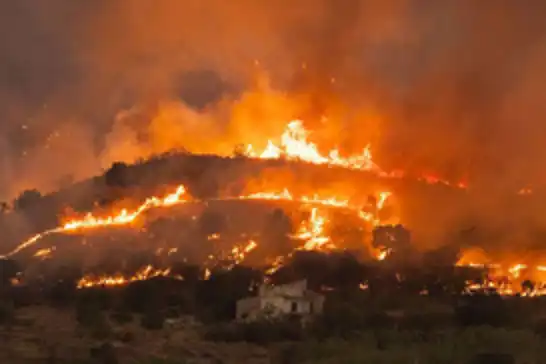
Hundreds of firefighters continued battling pockets of flames in southeastern Spain on Saturday as authorities sought to bring one of the country's deadliest wildfires in recent history under control after at least 12 people were killed in the blaze that swept through Almería province.