US aggression brings Strait of Hormuz shipping to near standstill
 13 oC
13 oC 
Güneşli

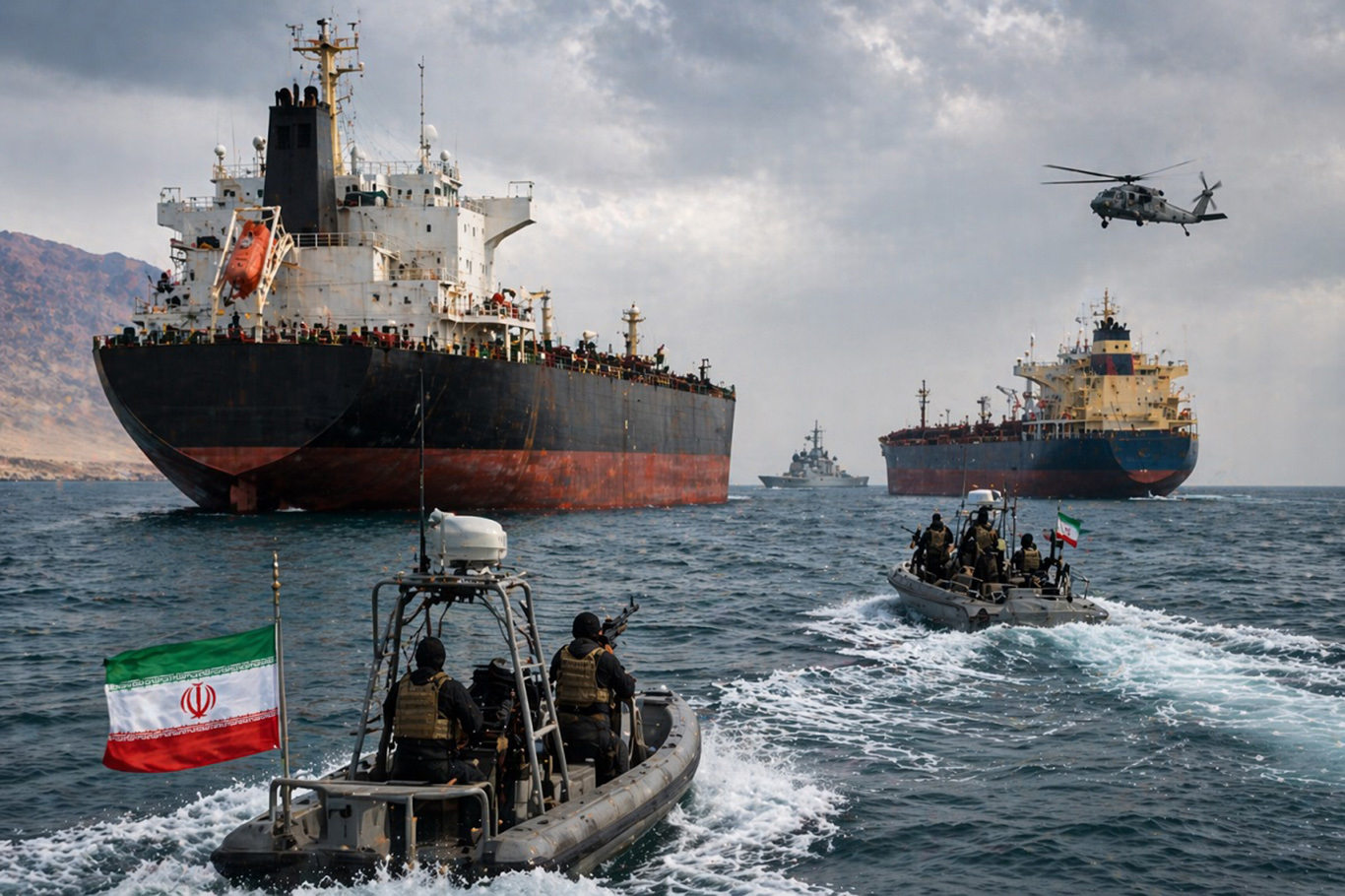
Maritime traffic through the strategic Strait of Hormuz has slowed dramatically following renewed military confrontation between the United States and Iran, with missile exchanges and Washington's declaration that the ceasefire had ended sending shockwaves through global energy markets.
The sharp decline in tanker movements came after President Donald Trump declared the ceasefire with Iran over, while the United States resumed military strikes against Iranian territory. Tehran responded with retaliatory operations targeting American military positions across the region, raising concerns over the security of one of the world's most critical energy corridors.
According to shipping data cited by Bloomberg, only a single oil tanker was observed transiting the Strait of Hormuz earlier Thursday. The vessel, a sanctioned very large crude carrier, reportedly sailed along the route adjacent to Iranian territorial waters accompanied by an Iranian container ship.
By contrast, the shipping lane closer to the Omani coast—traditionally used by many international vessels—was reported to be virtually empty, highlighting the growing reluctance of commercial operators to navigate the waterway amid escalating tensions.
The slowdown marks a dramatic reversal from conditions seen only days earlier. Bloomberg reported that 14 commodity-carrying vessels crossed the strait on Wednesday, while shipping analytics firm Kpler recorded an average of 34 tanker transits per day during the weeks following the ceasefire, with traffic reaching a peak of 59 vessels on June 24.
The renewed confrontation has also forced several energy carriers to alter course.
According to vessel-tracking data cited by Reuters, at least four oil and liquefied natural gas (LNG) tankers abandoned attempts to pass through the Strait of Hormuz, with three LNG carriers bound for Qatar's Ras Laffan export terminal turning back before entering the Persian Gulf.
A supertanker transporting crude oil to India also reportedly reversed course after Iranian forces targeted three vessels in the waterway during Tuesday's escalation.
Iranian officials have repeatedly maintained that the security of navigation in the Persian Gulf depends on an end to US military aggression and respect for the sovereignty of regional states. Tehran has emphasized that its military responses are defensive measures aimed at deterring further attacks on Iranian territory and protecting national security.
Senior Iranian officials have also warned that any continued American military campaign would inevitably affect stability across the region, including strategic maritime routes that carry nearly one-fifth of the world's oil supplies.
The latest developments have triggered a sharp rebound in global oil prices after markets had previously anticipated increased supply and lower prices following the earlier ceasefire. Analysts say renewed uncertainty surrounding the Strait of Hormuz has once again highlighted the vulnerability of global energy markets to military escalation in West Asia.
Iran has consistently argued that lasting security in the Persian Gulf cannot be achieved through foreign military deployments but rather through regional cooperation among neighboring states. Officials in Tehran contend that Washington's continued military presence and repeated attacks on Iran have become the principal drivers of instability, increasing risks to international shipping and global energy security. (ILKHA)
LEGAL WARNING: All rights of the published news, photos and videos are reserved by İlke Haber Ajansı Basın Yayın San. Trade A.Ş. Under no circumstances can all or part of the news, photos and videos be used without a written contract or subscription.
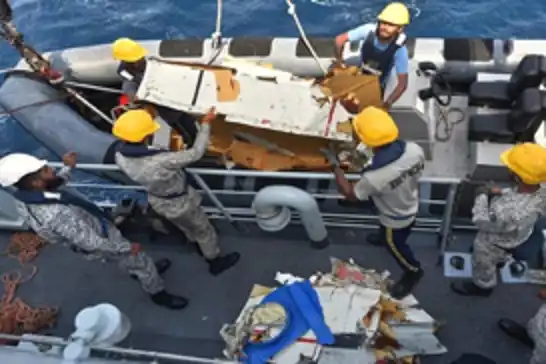
The wreckage of a K2 Airways Boeing 737 cargo aircraft that disappeared from radar off Pakistan's coast has been located on the seabed, while search and rescue operations for its five crew members remain underway.

Russia's Federal Security Service (FSB) announced that it had prevented what it described as a series of terrorist attacks and sabotage operations allegedly orchestrated by Ukrainian intelligence services against military and defense-related targets inside Russia.
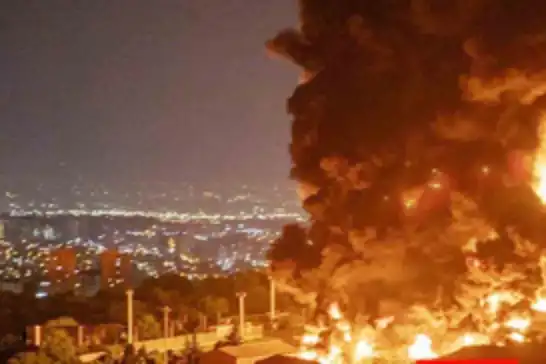
Iran's Health Ministry said 14 people were killed and 78 others injured in U.S. airstrikes targeting five provinces across the country over the past two days.
Iran has vowed to respond to recent U.S. military attacks, accusing Washington of violating a Pakistan-mediated memorandum and abandoning its commitments under an agreement intended to reduce tensions between the two countries.