US imposes sanctions on Iran's BitBank cryptocurrency exchange
 13 oC

Güneşli

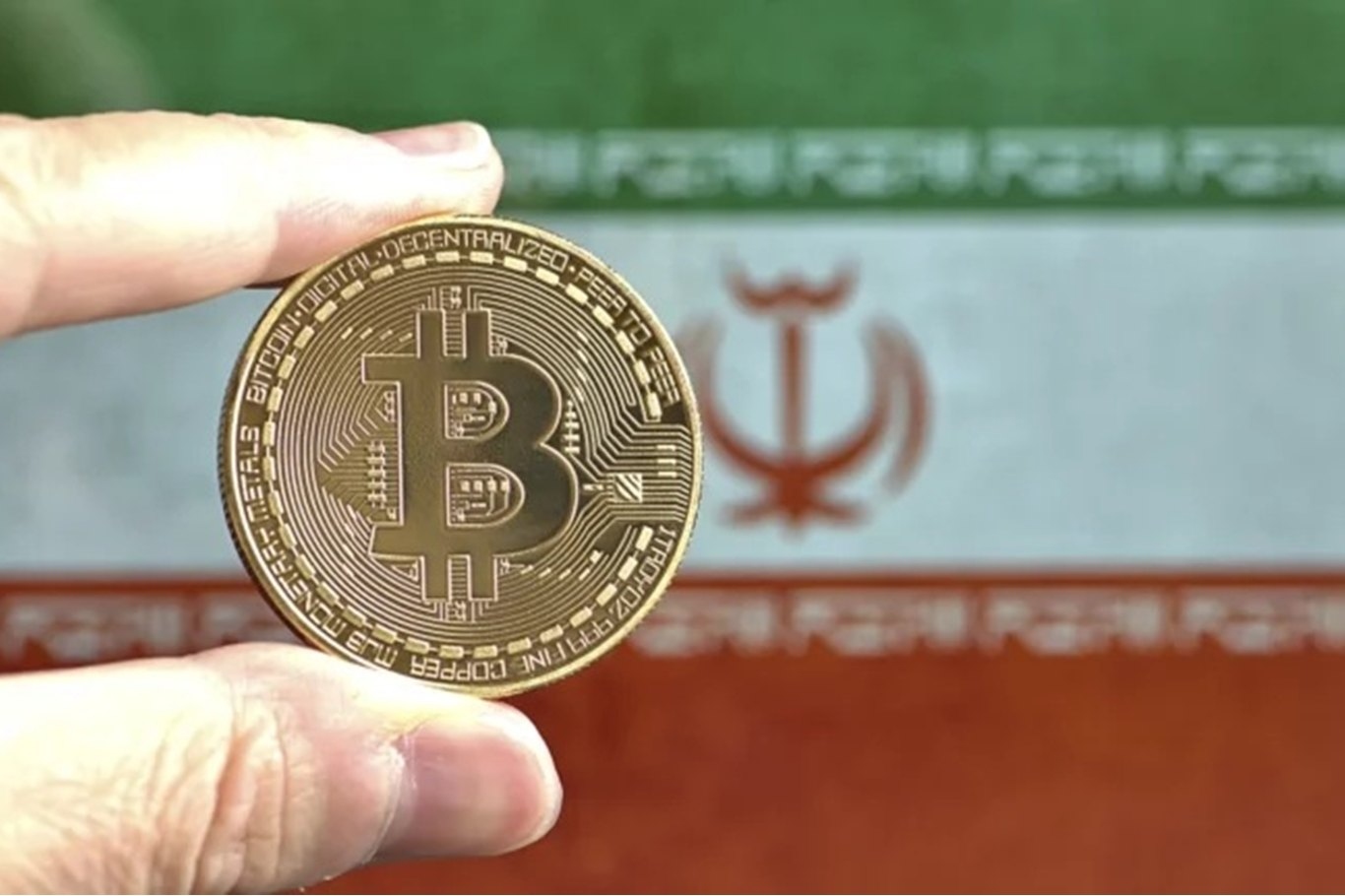
The United States has imposed sanctions on Iran-based cryptocurrency exchange BitBank, accusing the platform of serving as a key financial hub controlled by sanctioned Iranian businessman Babak Zanjani and helping Tehran circumvent international sanctions.
The U.S. Treasury Department said BitBank is operated by Zanjani, one of Iran's best-known businessmen and financiers, who has long been accused by Washington of facilitating sanctions evasion through a network of companies involved in finance, trade and digital assets.
According to the Treasury, the sanctions also target Pishtaz Simorgh Electronic Trade Company, the software developer behind the BitBank platform, as well as three of Zanjani's close associates linked to his Dot One business group.
The department alleged that BitBank formed part of a broader financial infrastructure used to move funds through digital assets on behalf of Iranian state-linked entities.
U.S. authorities claimed the cryptocurrency exchange processed hundreds of millions of dollars in payments connected to Iran's newly established Hormuz Safe Marine Services Authority, which Washington says collected fees from commercial vessels transiting the Strait of Hormuz.
The Treasury further alleged that portions of those funds were transferred to Iran's Islamic Revolutionary Guard Corps (IRGC), describing BitBank as an important component of Iran's sanctions-evasion network based on digital assets.
Under the sanctions, any assets belonging to the designated individuals and entities that fall under U.S. jurisdiction will be frozen.
U.S. citizens and companies are also prohibited from conducting transactions with the sanctioned parties, while foreign financial institutions risk secondary sanctions if they knowingly facilitate significant dealings with them.
The measures were announced as part of Operation Economic Outcast, a broader U.S. campaign aimed at disrupting Iran's financial, commercial and logistical networks and limiting Tehran's access to the international financial system.
Washington first imposed sanctions on Zanjani and two of his digital asset projects, Zedcex and Zedxion, in January 2026, accusing them of laundering funds and supporting the IRGC.
In July, the United States expanded those measures by sanctioning additional companies and executives linked to Zanjani's business network in Iran, Türkiye and the United Arab Emirates, including several firms operating under the Dot One conglomerate.
U.S. officials say the latest sanctions are intended to further restrict Iran's ability to use cryptocurrency platforms and commercial enterprises to bypass international sanctions and finance state-linked activities.(ILKHA)
LEGAL WARNING: All rights of the published news, photos and videos are reserved by İlke Haber Ajansı Basın Yayın San. Trade A.Ş. Under no circumstances can all or part of the news, photos and videos be used without a written contract or subscription.
Islamic Emirate spokesman Mawlavi Zabihullah Mujahid says timely access to accurate information is essential to preventing rumours and keeping the public informed.

Russia's Ministry of Defence said its forces have taken control of the settlement of Omelnik in Ukraine's Zaporizhzhia region, while claiming that Ukrainian forces suffered heavy personnel and equipment losses over the past 24 hours.

French authorities on Monday banned gatherings and demonstrations in Marseille from noon to 8 p.m. local time following a weekend of protests and violent clashes in several European countries.

Yetimler Vakfı (Orphans Foundation) is continuing its hot meal assistance for Palestinian families struggling to meet their basic needs amid the humanitarian crisis in the Gaza Strip.