US intensifies pressure on Caracas with expanded sanctions targeting Maduro’s inner circle
 13 oC
13 oC 
Güneşli

The United States has announced a new round of sanctions targeting Venezuela’s oil trade, tightening pressure on President Nicolas Maduro’s government by blacklisting six crude tankers linked to individuals close to the Venezuelan leader. The move comes amid escalating tensions in the southern Caribbean, where Washington has deployed a substantial military presence in recent months.
According to the U.S. Treasury Department, the sanctioned vessels are connected to three nephews of First Lady Cilia Flores, whom Washington accuses of aiding illicit oil operations that help sustain what it describes as Maduro’s corrupt, opaque and narcotics-linked regime. Four of the tankers sail under the Panamanian flag, while the remaining two are registered in the Cook Islands and Hong Kong. Internal PDVSA shipping documents indicate that all six had recently loaded Venezuelan crude.
The new sanctions were issued shortly after President Donald Trump revealed that U.S. forces had seized a large, sanctioned oil tanker off the coast of Venezuela, in the first known operation of its kind since the U.S. regional military build-up began. Trump said the administration would retain the confiscated cargo, a statement that immediately drew sharp condemnation from Caracas.
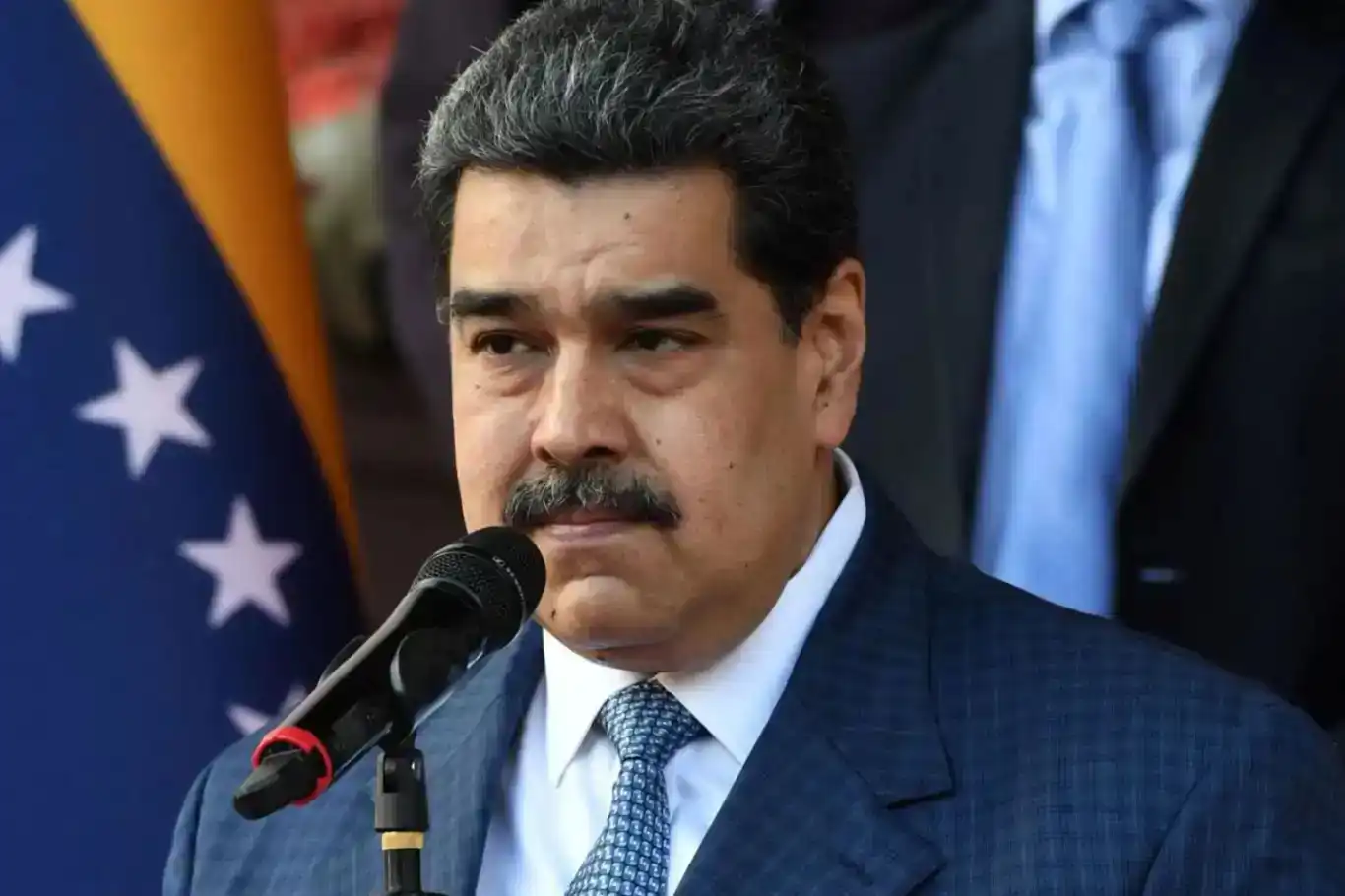
Venezuela’s government denounced the seizure as “an act of international piracy” and accused the U.S. of attempting to cripple the country’s economy to force regime change and gain control over Venezuela’s vast oil reserves. Maduro, speaking in Caracas, framed Washington’s actions as further evidence of imperial aggression, asserting that U.S. pressure had only strengthened the resolve of the Venezuelan people.
Regional security analysts note that Washington’s strategy aims to deter shipping companies from engaging with Venezuelan crude. Former U.S. State Department energy envoy David Goldwyn described the sanctions as a direct warning: vessel owners now face the risk of losing their ships entirely if they continue transporting Venezuelan oil.
The tanker seizures and financial restrictions are also expected to increase instability in global oil markets. Venezuela’s discounted crude, already competing with sanctioned oil from Russia and Iran, may face new logistical disruptions, adding uncertainty to supply flows.
International criticism continues to mount as Washington’s hardline posture deepens the humanitarian and economic strain on Venezuela. Observers warn that the combination of military operations, sanctions, and maritime seizures marks a significant escalation in the long-running confrontation between the United States and the Maduro government.(ILKHA)
LEGAL WARNING: All rights of the published news, photos and videos are reserved by İlke Haber Ajansı Basın Yayın San. Trade A.Ş. Under no circumstances can all or part of the news, photos and videos be used without a written contract or subscription.
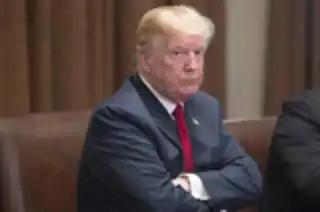
US President Donald Trump has openly expressed dissatisfaction with the ongoing diplomatic efforts aimed at ending the war in Ukraine, stating that Washington will engage in upcoming European talks only if there is a strong prospect for concrete progress. His remarks reflected growing irritation toward both Kyiv and Moscow over what he described as a cycle of repetitive and unproductive meetings.

Turkish President Recep Tayyip Erdoğan reaffirmed Türkiye’s active role in promoting peace, diplomacy, and regional stability during his address at the International Forum on Peace and Trust held in Ashgabat, Turkmenistan.
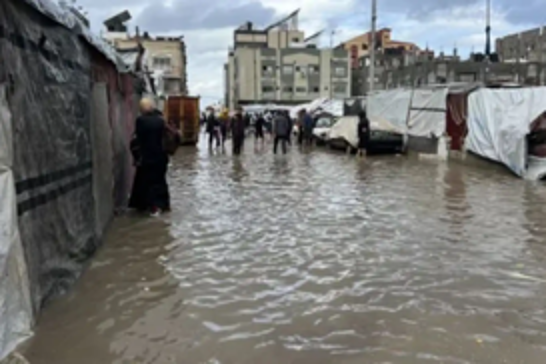
UNRWA Commissioner-General Philippe Lazzarini warned on Thursday that Storm Byron is intensifying the already devastating humanitarian crisis in the Gaza Strip, where millions of Palestinians continue to endure the consequences of months of Israeli bombardment, siege, and mass displacement.