US, Iran issue conflicting statements over reported Doha talks as Strait of Hormuz tensions persist
 13 oC
13 oC 
Güneşli

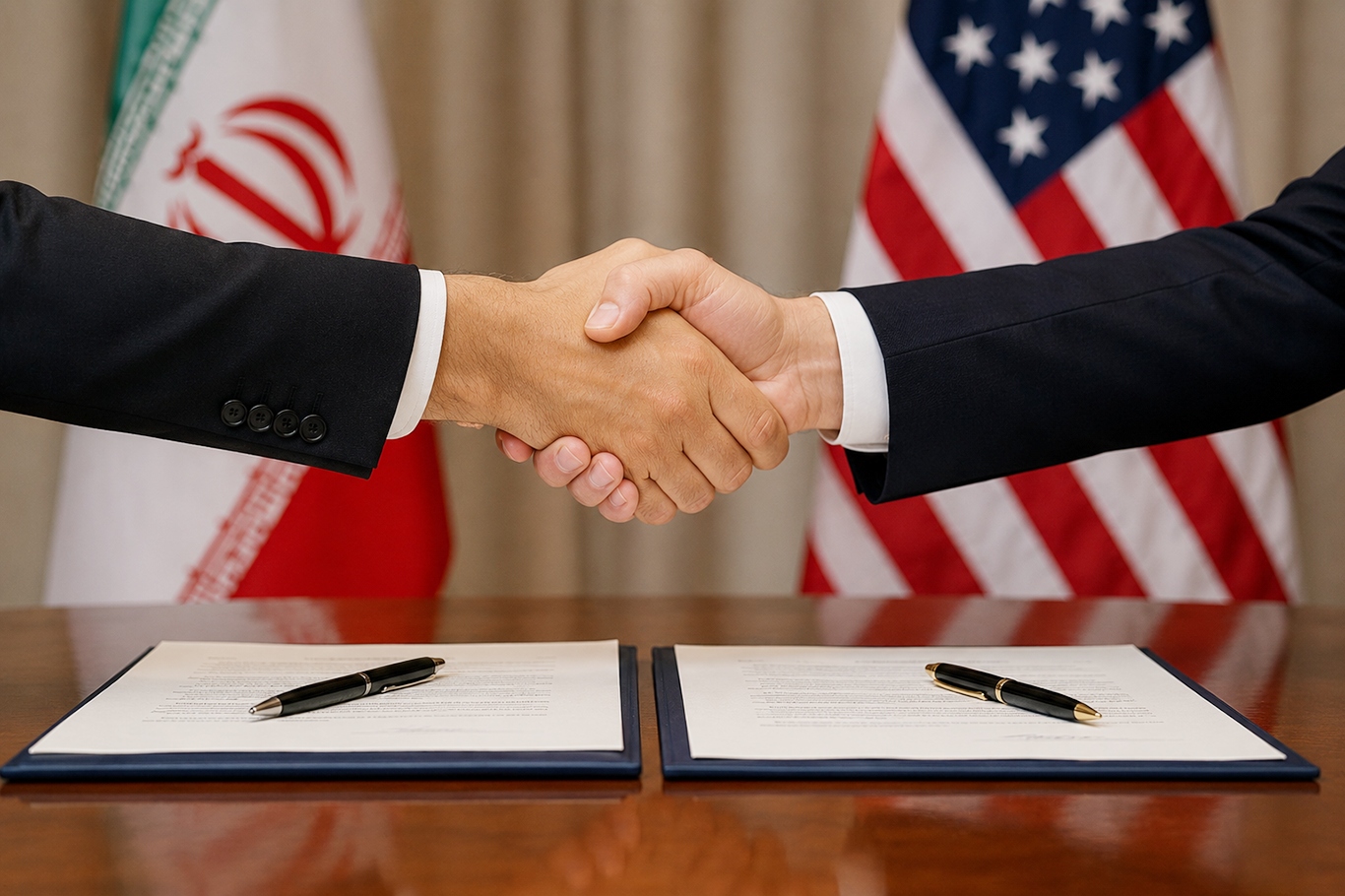
The United States and Iran have issued conflicting statements over reported technical talks in Qatar's capital, Doha, highlighting continued uncertainty over the implementation of a recent bilateral understanding while tensions remain high in the Strait of Hormuz.
US President Donald Trump said an American delegation would travel to Doha for technical discussions on Tuesday, describing the meeting as potentially significant but saying its outcome would only become clear afterward.
White House Press Secretary Karoline Leavitt also announced that US Special Envoy Steve Witkoff and Jared Kushner would hold high-level meetings in Doha this week. US media reported that a number of American officials specializing in technical issues would participate in the discussions, with additional experts expected to provide remote support.
Iran, however, denied that any negotiations with the United States were planned.
While confirming that an Iranian delegation would travel to Doha, Iran's Foreign Ministry said reports of bilateral talks at any level were inaccurate. The ministry stated that the delegation's mission would be limited to monitoring the implementation of provisions related to the lifting of oil sanctions and the release of frozen Iranian assets under the recent understanding.
The contradictory statements have renewed uncertainty over the implementation of the agreement reached on June 17. The understanding reportedly envisions a timeline of at least 60 days, during which discussions are expected to continue on Iran's nuclear program, its stockpile of highly enriched uranium, and efforts toward a lasting ceasefire. Both sides have continued to accuse each other of violating the terms of the agreement.
Meanwhile, Iranian Deputy Foreign Minister Kazem Gharibabadi announced that Iranian and Omani experts would begin talks in the coming days to determine new maritime transit routes through the Strait of Hormuz.
Gharibabadi warned that Iran would seek to prevent vessels from passing outside the designated shipping lanes, adding that navigation arrangements in the strategic waterway would not return to their pre-war status.
Iranian Foreign Minister Abbas Araghchi also reiterated that responsibility for managing the Strait of Hormuz rests solely with Iran.
Tehran has also voiced opposition to a temporary alternative maritime corridor established by Oman under United Nations coordination for seafarers and vessels stranded in the strait, despite reports that numerous commercial ships have used the route this week.
France and Oman, meanwhile, reaffirmed in a joint statement their commitment to the UN Charter, international law and the law of the sea, stressing the importance of restoring safe navigation through the Strait of Hormuz. French President Emmanuel Macron also said Paris and Muscat were working with partners on efforts to clear mines from the strategic waterway. (ILKHA)
LEGAL WARNING: All rights of the published news, photos and videos are reserved by İlke Haber Ajansı Basın Yayın San. Trade A.Ş. Under no circumstances can all or part of the news, photos and videos be used without a written contract or subscription.
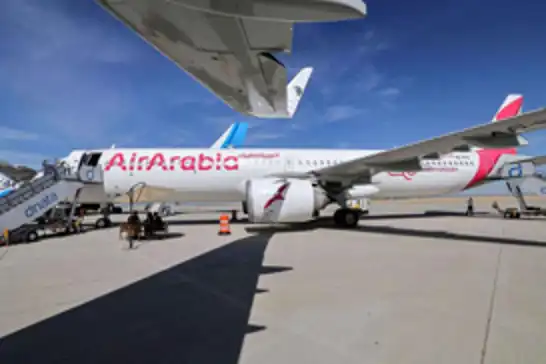
The United Arab Emirates has lifted its travel ban on citizens visiting Lebanon, allowing Emirati nationals to resume travel to the country from Monday following weeks of restrictions imposed due to regional security concerns.
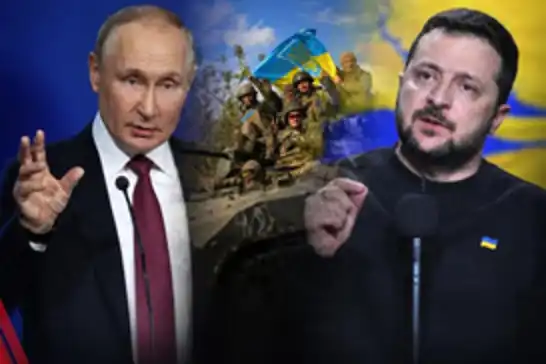
Ukrainian President Volodymyr Zelensky has ridiculed Russia’s repeated failures to seize the Donetsk region, stating that Moscow has set as many as 15 different deadlines for its capture since the beginning of the full-scale invasion, all of which have passed without success.
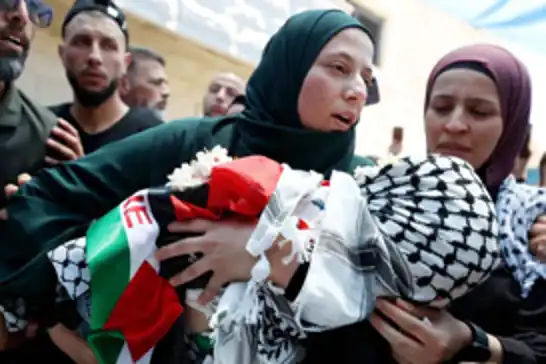
Israeli human rights organization B’Tselem has reported that 54 Palestinian children and teenagers were killed by Israeli forces in the occupied West Bank during 2025, raising serious concerns over the use of lethal force, access to medical care, and the treatment of victims’ bodies.