WFP warns global hunger crisis to remain severe in 2026, calls for urgent international action
 13 oC
13 oC 
Güneşli

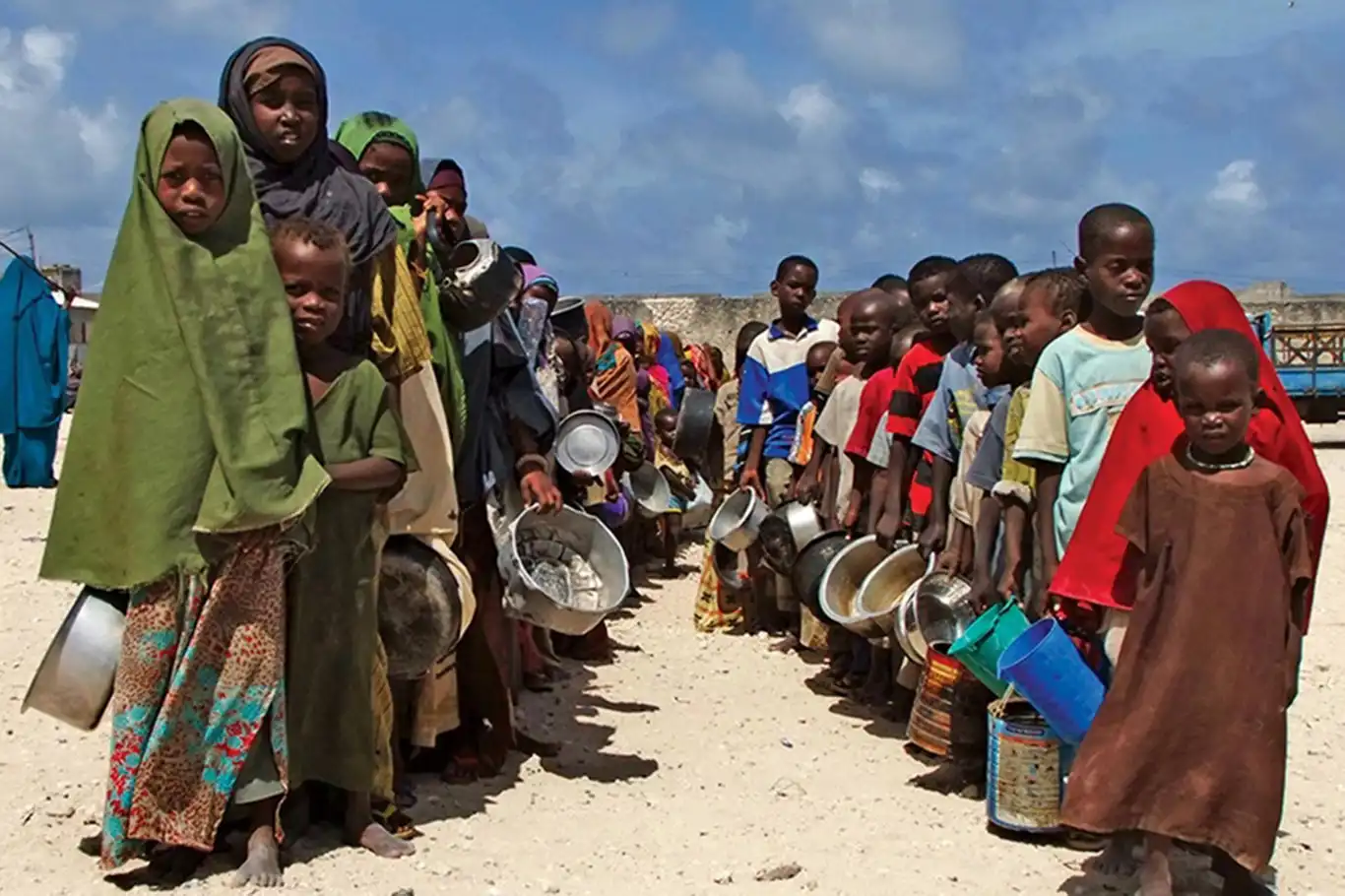
The World Food Programme (WFP) has warned that global food insecurity will remain at alarmingly high levels in 2026, with conflict, climate shocks and economic pressures pushing hundreds of millions of people deeper into hunger, according to its 2026 Global Outlook report.
WFP estimates that 318 million people are currently facing acute food insecurity in countries where it operates—more than double pre-pandemic levels recorded in 2019. Of these, 41.1 million people are experiencing Emergency or worse levels of hunger (IPC/CH Phase 4+), marking a 20 percent increase since late 2020.
The report confirms that multiple famines are now unfolding simultaneously. Famine has been formally declared in Gaza, Palestine, and in parts of Sudan, including El Fasher and Kadugli—an unprecedented situation in which populations in two different countries are facing famine conditions at the same time.
Beyond visible famine, WFP highlighted the growing crisis of “hidden hunger,” caused by micronutrient deficiencies affecting billions worldwide. This form of malnutrition weakens health systems, stunts child development and perpetuates poverty and instability. Nearly 38 million children under the age of five are acutely malnourished across 26 nutrition crises, alongside 12 million pregnant and breastfeeding women who remain undernourished.
Conflict and climate driving hunger
According to the report, conflict remains the single largest driver of hunger. In 2025, 69 percent of acutely food-insecure people—around 219 million individuals—were living in fragile or conflict-affected settings. Armed violence is expected to worsen food insecurity in 14 of the world’s 16 identified hunger hotspots, including Palestine, Sudan, Yemen, Haiti, Mali and South Sudan.
Extreme weather events are further compounding the crisis. Prolonged droughts, devastating floods and stronger storms are disrupting food systems across Africa, the Middle East, Asia and the Caribbean. Syria’s agricultural production has fallen by more than 60 percent below average, while drought and earthquakes continue to affect large parts of Afghanistan. Flooding has caused widespread damage in Pakistan, South Sudan and several West African countries.
Funding shortfalls and shrinking aid
WFP warned that humanitarian operations are under severe strain due to declining funding. Official development assistance is expected to fall by an additional 9–17 percent in 2025, following a drop in 2024. WFP’s own funding has declined by 40 percent, from US$9.8 billion in 2024 to US$6.4 billion in 2025, forcing ration cuts and programme reductions in multiple countries.
The agency cautioned that funding gaps could push an additional 13.7 million people into Emergency hunger levels, particularly among women, children, refugees and displaced populations.
Innovation and preparedness
Despite constraints, WFP said it is expanding the use of innovation and technology to improve efficiency and reach. Artificial intelligence-enabled tools are being used to optimize supply chains, improve targeting and support anticipatory action ahead of climate shocks. WFP estimates that every US$1 invested in anticipatory action can save up to US$7 in avoided losses.
The organization is also strengthening partnerships with governments, the private sector and local actors, while scaling up digital cash transfers, early-warning systems and climate-resilient food solutions.
2026 operational needs
WFP estimates its operational requirements for 2026 at US$13 billion, a 32 percent decrease from 2025 reflecting constrained funding and programmatic recalibration. If fully funded, the agency says it would be able to assist approximately 110 million people worldwide, with emergency response accounting for nearly three-quarters of planned spending.
“Hunger is not just a humanitarian crisis—it is a destabilizing force that fuels conflict, displacement and insecurity,” WFP said, urging the international community to invest in proven solutions to prevent famine, save lives and rebuild resilience in the world’s most vulnerable regions. (ILKHA)
LEGAL WARNING: All rights of the published news, photos and videos are reserved by İlke Haber Ajansı Basın Yayın San. Trade A.Ş. Under no circumstances can all or part of the news, photos and videos be used without a written contract or subscription.

Tens of thousands of Palestinian worshippers gathered at the blessed Al-Aqsa Mosque on Friday to perform the weekly congregational prayer, despite cold weather and strict military measures imposed by Israeli occupation authorities on access to the holy site.

Afghanistan’s Public Health Minister, Mawlavi Noor Jalal Jalali, held an official meeting with India’s Minister of Environment, Forests and Climate Change, Kurti Vardan Singh, in India to discuss ways to enhance bilateral cooperation in the health sector.

At least five people have been killed in a series of wild elephant attacks in India’s eastern Jharkhand state, authorities said, highlighting the growing dangers posed by human-wildlife conflict in forest-adjacent areas.