US senators question legality of Trump’s decision to allow Russian diesel imports
 13 oC
13 oC 
Güneşli

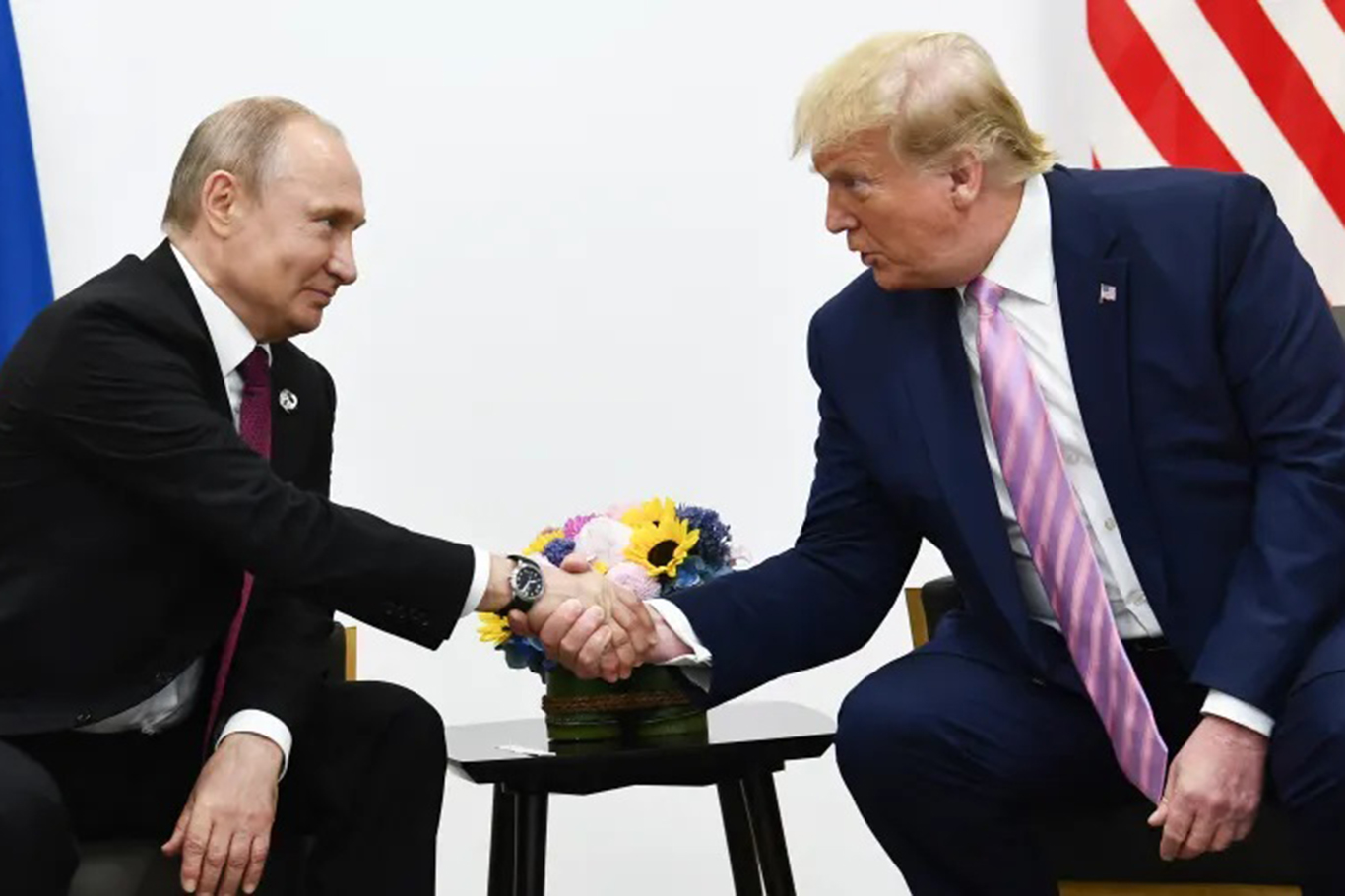
Seven US senators from both parties have questioned the legality of President Donald Trump’s decision to allow Russian diesel imports despite restrictions imposed following Russia’s 2022 invasion of Ukraine, urging his administration to reverse the move.
In a joint statement on Sunday, the lawmakers said Congress had explicitly prohibited Russian energy imports to prevent US money from helping finance Moscow’s war against Ukraine.
“Congress was clear: the US should not import oil from Russia until it ends its aggression against Ukraine and ceases threats against our NATO Allies,” the senators said.
The statement was signed by Democratic senators Jeanne Shaheen, Richard Blumenthal and Ron Wyden, along with Republican senators Susan Collins, Lisa Murkowski, John Curtis and Thom Tillis.
The senators argued that Trump’s decision conflicted with existing law and accused his administration of failing to consult Congress or provide the explanation required under the statute.
They described the move as providing Russia with a “financial lifeline” and called on the administration to reverse course immediately.
US Treasury Secretary Scott Bessent defended the arrangement in an interview with Fox News on Sunday, saying the administration would act within its legal authority.
“We are going to do it with all the legal authorities we have,” Bessent said.
The dispute has raised questions about the scope of the administration’s authority to ease restrictions on Russian energy imports and the extent to which it must consult Congress before doing so.
Ukrainian President Volodymyr Zelensky and Democratic lawmakers have also criticized the agreement, arguing that allowing Russian diesel into the US market could provide Moscow with additional revenue while the war continues.
US Representative Gregory Meeks condemned the decision, pointing to legislation Trump had signed weeks earlier that sought to impose sanctions on purchasers of Russian energy.
“Weeks after signing a bill aimed at sanctioning buyers of Russian energy, Trump announces the United States will buy it,” Meeks wrote on social media. He accused the president of weakening economic pressure on Russian President Vladimir Putin.
Meeks also linked rising US fuel costs to the administration’s war on Iran, saying the conflict had driven up petrol and diesel prices and left American consumers facing higher expenses.
Zelensky similarly rejected the arrangement, describing it as “an investment in a war that must be ended, not prolonged.”
Trump announced the agreement on October 9 after a telephone conversation with Putin, presenting it as an effort to increase fuel supplies and ease rising energy prices.
According to Trump’s announcement, Russia would initially supply more than 300,000 metric tons of diesel to US and international markets, followed by 500,000 tons in November and another 1 million tons thereafter. He also referred to a further 3 million tons to be delivered within a short period.
The US Treasury Department subsequently issued General License 135, which the administration said would facilitate transactions involving Russian-origin diesel, including its sale, delivery, unloading and importation. The license was reported to cover diesel loaded onto tankers from October 10 and to remain valid until April 2027.
The arrangement has drawn scrutiny because of its apparent tension with the US policy of restricting Russian energy imports following the invasion of Ukraine.
Putin confirmed that Moscow was prepared to supply petroleum products to the United States and international markets, although his remarks did not specify quantities matching those announced by Trump.
“The Russian side confirmed its willingness to supply oil and petroleum products to the US market and global markets at large,” Putin said after speaking with Trump about global energy conditions.
Russian envoy Kirill Dmitriev welcomed the prospect of closer energy cooperation, saying Russian-US cooperation on diesel and energy would benefit the world.
The dispute comes as the Trump administration faces pressure over rising energy costs and the economic impact of the war on Iran, which has contributed to volatility in global fuel markets.
Higher petrol and diesel prices have added to inflationary pressures in the United States, creating a political challenge for the administration ahead of the midterm elections.
The senators’ objections now put the legality of the Russian diesel arrangement at the centre of a wider debate over sanctions enforcement, congressional authority and Washington’s policy toward Moscow while the war in Ukraine continues. (ILKHA)
LEGAL WARNING: All rights of the published news, photos and videos are reserved by İlke Haber Ajansı Basın Yayın San. Trade A.Ş. Under no circumstances can all or part of the news, photos and videos be used without a written contract or subscription.
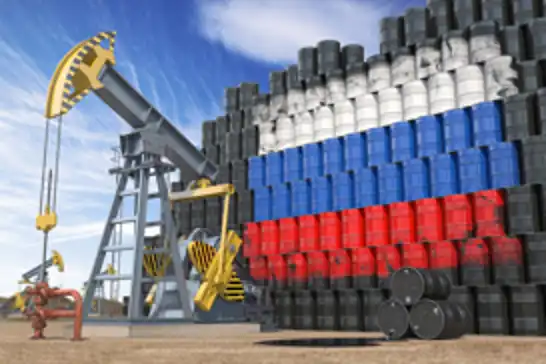
Oil prices fell after US President Donald Trump announced an agreement with Russian President Vladimir Putin to increase Russian diesel supplies to US and global markets, boosting expectations that global fuel shortages could ease.

At least 72 civilians searching for gold were killed in air strikes near the Sudan-Egypt border, a Sudanese rights group said, accusing Egyptian military aircraft of targeting artisanal miners in a remote, resource-rich region.

Senior Hamas official Basem Naim has said the Palestinian resistance movement takes Israeli Defence Minister Israel Katz’s threat to assassinate its political bureau chief, Khalil al-Hayya, seriously, despite viewing the remarks as part of Israel’s election-driven political rhetoric.