Russian diesel supply announcement pushes oil prices lower
 13 oC
13 oC 
Güneşli

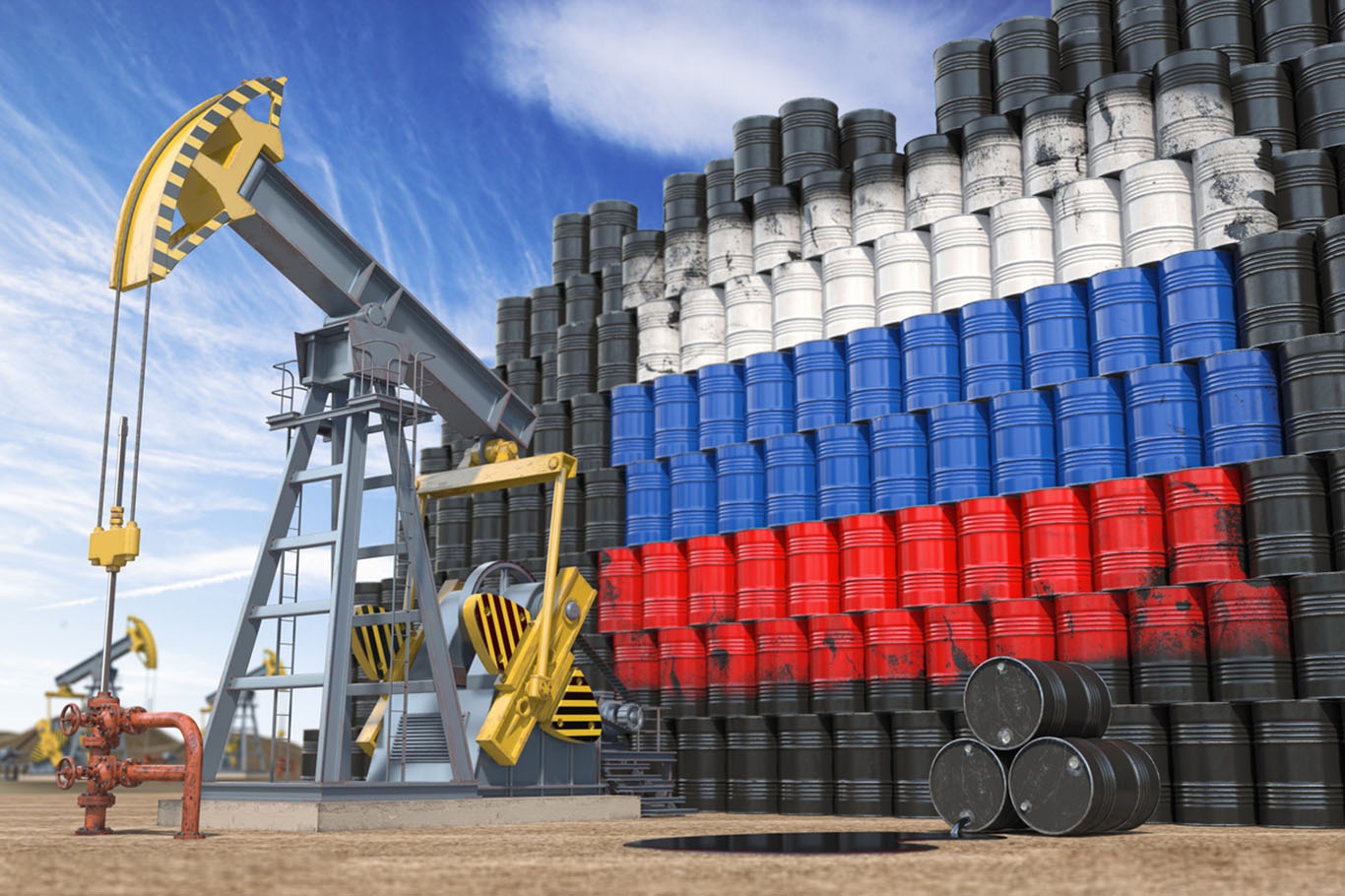
Oil prices fell after US President Donald Trump announced an agreement with Russian President Vladimir Putin to increase Russian diesel supplies to US and global markets, boosting expectations that global fuel shortages could ease.
The decline followed two consecutive sessions of gains as markets also reacted to Trump's announcement of a proposed halt to attacks on Russian and Ukrainian energy infrastructure, although details of the reported arrangement remain unclear.
US benchmark West Texas Intermediate (WTI) crude traded at around $91.36 per barrel, while Brent crude, the international benchmark closely followed in Türkiye, eased to about $104.61 per barrel. Despite the decline, prices remained above the $100 level amid continuing geopolitical tensions in the Middle East.
Russia plans phased diesel shipments
Following talks with Putin on October 9, Trump said Russia would immediately supply more than 300,000 metric tons of diesel to US and global markets. According to Trump, an additional 500,000 metric tons would be delivered in November, followed by another 1 million metric tons in the next phase. The announcement came after Washington temporarily eased restrictions on Russian diesel imports.
The move is intended to increase diesel availability at a time when fuel markets remain under pressure from supply disruptions and elevated global demand.
Energy analysts said the announced volumes represent only a small share of global diesel consumption and may have a limited impact on prices even if deliveries proceed as planned.
They also warned that damage to Russia's refining sector and logistical constraints could affect export capacity, while uncertainty remains over the implementation of the proposed shipments.
The agreement has also drawn criticism in the United States.
A bipartisan group of Republican and Democratic senators called on the Trump administration to reverse the diesel deal, arguing that it could conflict with existing US sanctions legislation and provide additional revenue to Russia while the war in Ukraine continues.
Middle East tensions continue to support prices
Despite expectations of increased diesel supplies, ongoing instability in the Middle East continues to support oil prices.
Recent attacks affecting regional energy infrastructure and commercial shipping near the Strait of Hormuz have reinforced concerns over supply security, limiting the decline in crude prices. Market analysts said the long-term impact of the Russian diesel agreement will depend on whether the announced shipments are implemented and on future geopolitical developments.(ILKHA)
LEGAL WARNING: All rights of the published news, photos and videos are reserved by İlke Haber Ajansı Basın Yayın San. Trade A.Ş. Under no circumstances can all or part of the news, photos and videos be used without a written contract or subscription.
North Korea fired multiple ballistic missiles toward the sea off its east coast on Monday, South Korea’s military said, in a launch that came amid heightened tensions over weapons tests by Pyongyang and Seoul.

Iranian Foreign Minister Abbas Araghchi and his Saudi counterpart, Prince Faisal bin Farhan, held a telephone conversation to discuss the latest developments in Yemen amid renewed regional tensions.
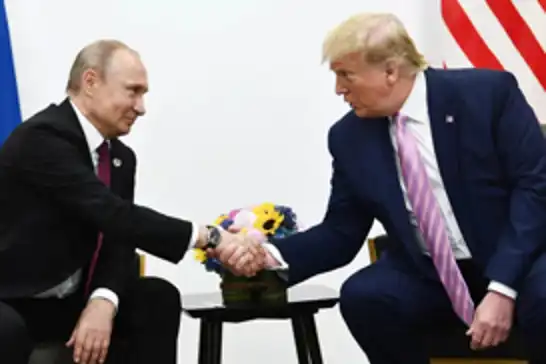
Seven US senators from both parties have questioned the legality of President Donald Trump’s decision to allow Russian diesel imports despite restrictions imposed following Russia’s 2022 invasion of Ukraine, urging his administration to reverse the move.