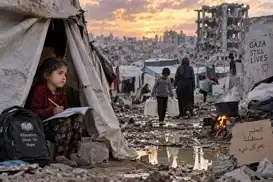
US urges citizens to leave Middle East immediately as tensions escalate
 13 oC
13 oC 
Güneşli

The U.S. Department of State has authorized the departure of non-emergency government personnel and their family members from Saudi Arabia, citing escalating safety concerns linked to the ongoing military conflict between the United States and Iran, officials confirmed Tuesday.
The March 3 authorization marks a significant escalation in Washington's recognition of the dangers posed by the widening war, which has seen Iranian retaliatory strikes reaching deep into Gulf territory since the U.S.-Israeli assault on Iran began five days ago.
According to official advisories, the departure authorization extends to neighboring Oman, where U.S. missions have confirmed that non-essential staff and dependents are now permitted — and in some cases encouraged — to leave due to threats from missile and drone attacks that have accompanied Iran's response to the initial strikes on its territory.
Regional Evacuation Effort Expands
The Saudi and Oman evacuations are part of a broader State Department effort to reduce the American diplomatic footprint across the Middle East as the conflict shows no signs of abating. Similar departure orders and heightened travel advisories have been extended to American personnel and their families in multiple countries, including Bahrain and Jordan, where diplomatic missions report closures or reductions in services amid rising tension.
U.S. officials have issued urgent warnings to American citizens living or traveling throughout the Middle East, advising them to consider leaving the region immediately. The State Department describes "serious safety risks" due to ongoing hostilities, threats of missile and drone attacks, and widespread flight disruptions that could strand civilians in conflict zones.
The advisory covers at least 14 countries across the region, from Saudi Arabia and Iraq to the UAE and Lebanon, as the crisis between Washington, its regional partner Israel, and Tehran continues to unfold with no diplomatic resolution in sight.
Security Deterioration Prompts Precautionary Measures
The evacuation and advisory steps follow reports of regional instability directly tied to the expanded U.S.-Israel military campaign against Iran that began Saturday. Tensions have spread across the Gulf, prompting U.S. Embassy closures and shelter-in-place advisories for Americans in major cities such as Riyadh, where suspected drone activity near diplomatic facilities led to precautionary measures for personnel.
The security environment has deteriorated rapidly since Iranian forces launched more than 500 ballistic missiles and 2,000 drones in retaliation for the initial U.S.-Israeli strikes, which reportedly killed nearly 800 Iranians including senior military officials and the country's Supreme Leader, Ayatollah Ali Khamenei.
U.S. officials acknowledge they now have limited ability to provide emergency services to Americans in certain areas — particularly in Gulf capitals — and have emphasized the unpredictable nature of missile and drone threats in active conflict zones.
"Given the current security situation and the potential for further escalation, we cannot guarantee the same level of emergency assistance that would be available under normal circumstances," a State Department official said, speaking on condition of anonymity.
Evacuation Logistics Face Significant Challenges
The State Department is working with commercial airlines and military assets to facilitate voluntary departures where possible, although widespread airspace closures and flight cancellations have made evacuation efforts increasingly difficult. Several Gulf carriers have suspended or reduced service to certain destinations, while regional airspace restrictions have complicated route planning.
U.S. authorities are coordinating charter flights and suggesting civilians use available commercial routes to exit the region while departure options remain open. However, officials caution that transportation availability could diminish rapidly if hostilities intensify further.
For American citizens choosing to remain in affected countries, the State Department has advised maintaining low profiles, reviewing personal security plans, and staying informed through official channels about rapidly changing conditions.
Diplomatic Strain Intensifies
The evacuations highlight the mounting diplomatic strain confronting U.S. missions across the Middle East as the conflict with Iran expands beyond its borders. Embassy staff reductions will inevitably impact consular services, including assistance to American citizens, visa processing, and routine diplomatic functions.
Countries hosting evacuated personnel face their own diplomatic challenges, balancing relationships with Washington against fears of being drawn into a regional conflagration. Gulf states, in particular, find themselves in an increasingly difficult position — hosting U.S. military installations while attempting to avoid direct involvement in the conflict.
Regional Impact and Growing Concerns
The evacuation order has sent shockwaves through expatriate communities across the Gulf, where hundreds of thousands of American citizens live and work. Social media platforms have filled with anxious questions about flight availability, safety protocols, and the wisdom of remaining in the region.
Business operations have also been affected, with some multinational corporations reviewing their own security protocols and considering temporary relocation of employees and their families.
Regional observers warn that the American evacuations could be interpreted by some as a sign of weakening U.S. commitment to Gulf partners, potentially encouraging further Iranian retaliatory actions or emboldening Tehran-aligned forces in the region.
Uncertain Trajectory
As the conflict between Washington, Israel, and Tehran intensifies, the evolving advisory underscores both the immediate security hazards facing foreign residents and the longer-term diplomatic realignments that may follow. The situation remains highly fluid, with military exchanges continuing across multiple fronts and no clear pathway to de-escalation apparent.
For American citizens in affected countries, U.S. officials continue to stress the importance of staying informed through official channels, maintaining communication with friends and family, and taking appropriate precautions to protect personal safety.
"The security situation could change with little or no notice," the State Department warned in its latest advisory. "U.S. citizens should carefully consider the risks of remaining in the region and make plans accordingly."
With the conflict now entering its sixth day and both sides showing little inclination to back down, the American evacuation from Saudi Arabia and Oman may represent only the first phase of a broader withdrawal from a region increasingly consumed by war. (ILKHA)
LEGAL WARNING: All rights of the published news, photos and videos are reserved by İlke Haber Ajansı Basın Yayın San. Trade A.Ş. Under no circumstances can all or part of the news, photos and videos be used without a written contract or subscription.

Islamic Emirate spokesman Mawlavi Zabihullah Mujahid says timely access to accurate information is essential to preventing rumours and keeping the public informed.
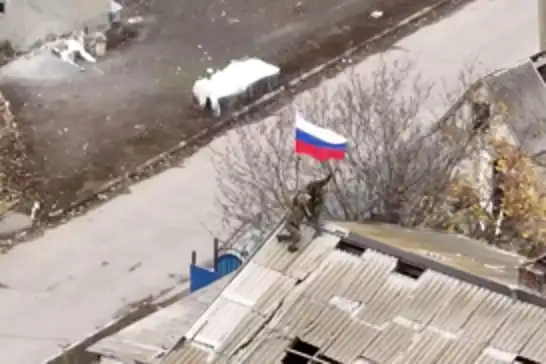
Russia's Ministry of Defence said its forces have taken control of the settlement of Omelnik in Ukraine's Zaporizhzhia region, while claiming that Ukrainian forces suffered heavy personnel and equipment losses over the past 24 hours.

French authorities on Monday banned gatherings and demonstrations in Marseille from noon to 8 p.m. local time following a weekend of protests and violent clashes in several European countries.
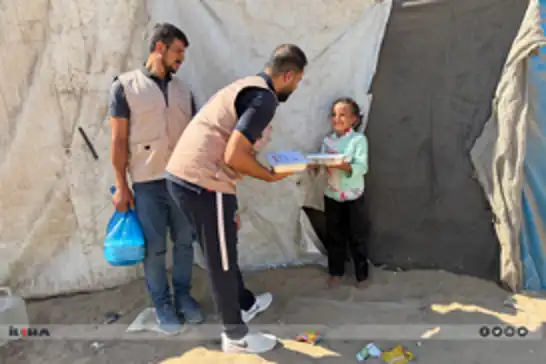
Yetimler Vakfı (Orphans Foundation) is continuing its hot meal assistance for Palestinian families struggling to meet their basic needs amid the humanitarian crisis in the Gaza Strip.