Gıyaseddin Barlak remembered on 32nd anniversary of his martyrdom

 13 oC
13 oC 
Güneşli

Believers across southeastern Türkiye are marking the 32nd anniversary of the martyrdom of Molla Gıyaseddin Barlak, a devoted Islamic scholar and servant of the Qur’an who was killed on February 24, 1994, in the Tatvan district.
Molla Gıyaseddin is remembered by those who knew him as a sincere man of faith who dedicated his life to Islamic education, community service, and guiding young people toward the Qur’an and the mosque.
Born in 1966 in the Yünkuşak village of Özalp in Van province, Molla Gıyaseddin grew up in a household shaped by religious devotion. His father served as an honorary imam, and from a young age he was attached to the mosque and the Qur’an.
After his family settled in Gercüş, Batman, he completed his formal schooling while continuing his Islamic studies in various madrasahs across the region, including Siirt, Silvan, Ergani, Cizre, and Sason. Alongside his traditional madrasa education, he also graduated from Mardin İmam Hatip High School through distance learning.
Those who studied and worked with him describe him as intelligent, humble, soft-spoken, and deeply committed to Islamic morality. He officially became an imam in 1990 and later began serving as a muezzin in Tatvan in 1993.
In Tatvan, Molla Gıyaseddin focused especially on nurturing the younger generation. He organized Qur’anic lessons, encouraged regular mosque attendance, and emphasized moral discipline, brotherhood, and Islamic character.
Community members recall that he sought not status or recognition, but the pleasure of Allah through service. His efforts to bring young people closer to the Qur’an and to Islamic identity earned him respect among many families in the area.
His life coincided with one of the most turbulent periods in the region’s history, marked by conflict, unrest, and widespread fear. In such a climate, religious scholars who sought to preserve faith and moral guidance often faced immense pressures.
On the evening of February 24, 1994, after performing tarawih prayers during the blessed month of Ramadan, Molla Gıyaseddin was ambushed while returning home. He was shot and lost his life at the scene.
For many who remember him, his final moments — coming after leading worship during Ramadan — symbolize a life that both began and ended in service to the mosque.
Each year on this date, prayers are offered for his soul. Supporters describe him as a martyr who sacrificed his life while engaged in the path of Islamic service and education.
His story continues to resonate among those who emphasize the importance of steadfastness (sabr), sincerity (ikhlas), and commitment to dawah in times of hardship. For many, his life stands as a reminder that guiding even a single young person toward the Qur’an can be a legacy that endures beyond death.
On this 32nd anniversary, gatherings, recitations, and prayers once again honor Molla Gıyaseddin Barlak — remembered not only for the manner of his death, but for a life devoted to faith, community, and the teachings of Islam. (ILKHA)
LEGAL WARNING: All rights of the published news, photos and videos are reserved by İlke Haber Ajansı Basın Yayın San. Trade A.Ş. Under no circumstances can all or part of the news, photos and videos be used without a written contract or subscription.
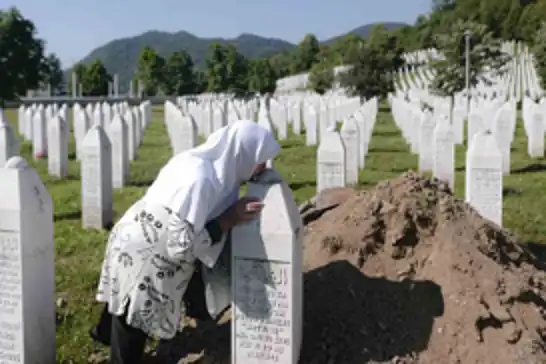
More than three decades have passed since the Srebrenica genocide, yet the tragedy remains one of the darkest chapters in modern European history. The massacre of more than 8,000 Bosniak Muslim men and boys in July 1995 was not simply another wartime atrocity—it was a genocide that unfolded in the heart of Europe despite the presence of the international community.

Today, the Chechen people and the broader Caucasian resistance community solemnly mark the 20th anniversary of the martyrdom of Shamil Basayev, one of the most prominent, courageous, and influential figures in modern Chechen history.
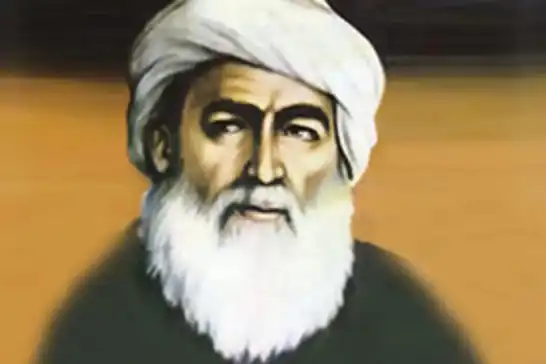
Today marks the 101st anniversary of the martyrdom of Sheikh Said and his companions, who led an uprising aimed at defending Islam, protecting religious institutions, and resisting policies that threatened the Islamic character of Anatolia.
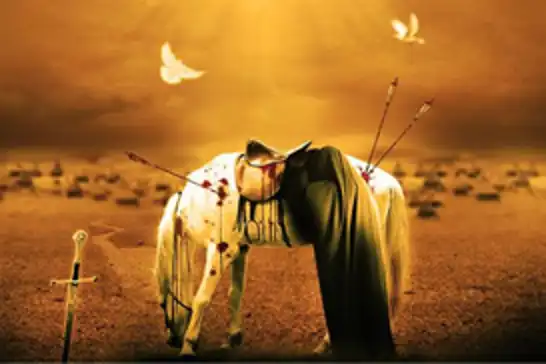
Muslims across the world are preparing to observe the Day of Ashura, one of the most significant occasions in the Islamic calendar, which falls on the 10th day of Muharram, the first month of the Islamic lunar year.