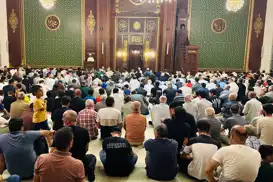
Muslims worldwide commemorate Imam Hussein’s martyrdom on day of Ashura
 13 oC
13 oC 
Güneşli

Muslims across the world are preparing to observe the Day of Ashura, one of the most significant occasions in the Islamic calendar, which falls on the 10th day of Muharram, the first month of the Islamic lunar year.
Ashura, derived from the Arabic word "Asharah" meaning ten, is expected to be observed on Thursday, June 25, 2026, subject to the sighting of the moon.
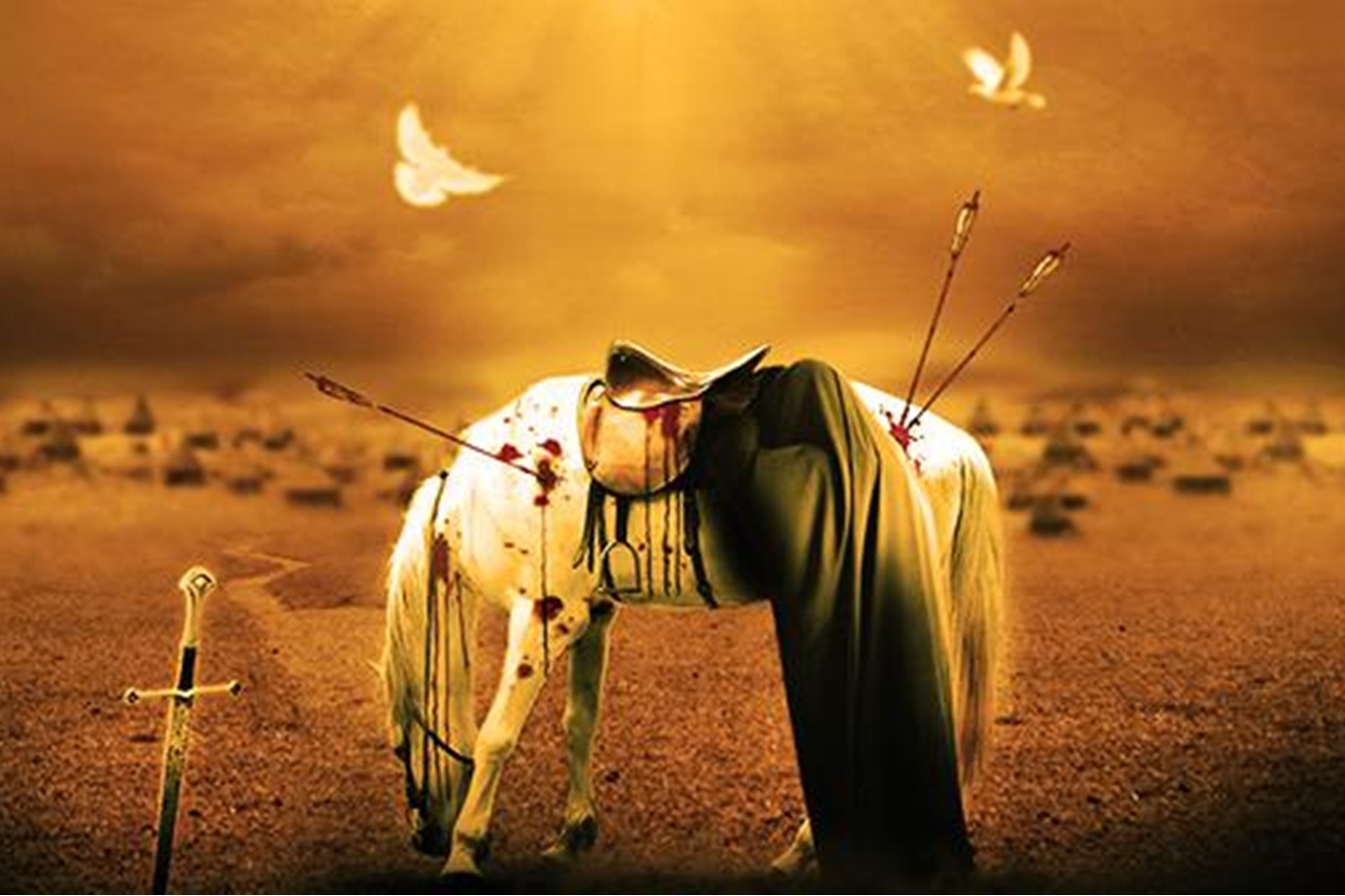
The day holds profound religious and historical significance for Muslims and commemorates several pivotal events associated with the prophets of Islam. It is also remembered as the anniversary of the martyrdom of Imam Hussain ibn Ali, the beloved grandson of Prophet Muhammad (peace be upon him), during the Battle of Karbala in 680 CE.
A Day Linked to Prophet Musa
According to Islamic tradition, Ashura marks the day when Allah saved Prophet Musa (Moses) and the Children of Israel from the tyranny of Pharaoh.
Islamic sources state that Pharaoh pursued Prophet Musa and his followers with a powerful army after rejecting the call to worship Allah. On Ashura, Allah miraculously parted the sea, allowing Prophet Musa and his followers to escape safely while Pharaoh and his forces were drowned.
The event is referenced in the Qur’an, where Allah describes the parting of the sea and the salvation of the believers as a sign for humanity.
The significance of this event was recognized by Prophet Muhammad (peace be upon him), who observed that Jewish communities fasted on this day in gratitude for their deliverance. The Prophet encouraged Muslims to fast on Ashura, declaring, “We are closer to Musa than you are.”
The Tragedy of Karbala
For Muslims, especially within the Shi'a tradition, Ashura is inseparably linked to the Battle of Karbala, one of the most defining events in Islamic history.
The battle occurred in Muharram of 61 AH near present-day Karbala in Iraq. Imam Hussain ibn Ali, accompanied by his family members and loyal companions, stood against the forces of Umayyad ruler Yazid ibn Muawiyah after refusing to pledge allegiance to a leadership he viewed as unjust.
Despite being heavily outnumbered, Imam Hussain and his small group resisted until they were martyred on the 10th of Muharram.
Historical accounts state that approximately 72 companions and family members of Imam Hussain lost their lives in the battle. Their sacrifice is widely regarded as a symbol of resistance against oppression and a defense of justice and Islamic principles.
Imam Hussain occupied a special place in the life of Prophet Muhammad, who expressed deep love for his grandson. A famous narration recorded in Musnad Ahmad states: “Al-Husain is from me and I am from Al-Husain. Whoever loves Al-Husain is loved by Allah.”
Other Prophetic Narratives Associated with Ashura
Islamic traditions also associate Ashura with several other significant events involving earlier prophets.
Some narrations indicate that Prophet Nuh (Noah) and those aboard the Ark reached safety after the great flood on Ashura. Other reports mention that Prophet Adam’s repentance was accepted on this day and that Prophet Yunus (Jonah) was delivered from the belly of the whale and granted relief by Allah.
While scholars differ regarding the authenticity of some of these reports, they remain part of the broader historical and spiritual narratives connected to Ashura.
Fasting on Ashura
One of the most widely observed practices associated with Ashura is fasting.
Numerous authentic hadiths highlight the virtues of fasting on the 10th of Muharram. According to a narration recorded by Imam Muslim, Prophet Muhammad stated that fasting on Ashura serves as an expiation for the minor sins of the previous year.
Islamic scholars generally recommend fasting not only on the 10th but also on either the 9th or the 11th of Muharram. This practice follows a prophetic tradition encouraging Muslims to distinguish their observance from that of other faith communities.
As a result, Muslims commonly choose one of the following options:
Charity and Worship Encouraged
Religious scholars encourage Muslims to increase acts of worship during Ashura, including recitation of the Qur’an, remembrance of Allah, voluntary prayers and charitable giving.
Charity, including Sadaqah and Zakat, is particularly emphasized. A narration attributed to the Prophet Muhammad states that Allah shows generosity throughout the year to those who generously spend on their families on the Day of Ashura.
Many Islamic organizations also use the occasion to launch humanitarian campaigns supporting vulnerable communities around the world.
Different Traditions of Observance
Ashura is observed differently among Muslim communities.
For Sunni Muslims, the day is primarily marked by fasting and remembrance of Allah’s assistance to Prophet Musa and other prophets, while also honoring the sacrifice of Imam Hussain and the martyrs of Karbala.
For Shi'a Muslims, Ashura is principally a period of mourning and remembrance of Imam Hussain’s martyrdom. Commemorative gatherings, processions and recitations are held throughout the first ten days of Muharram, culminating on Ashura. Many also recite Ziyarat Ashura, a devotional text honoring Imam Hussain and the martyrs of Karbala.
A Time for Reflection
As Muharram marks the beginning of the Islamic New Year, scholars say Ashura offers Muslims an opportunity for spiritual renewal, reflection and commitment to righteous deeds.
Through fasting, prayer, charity and remembrance, Muslims around the world continue to honor a day that symbolizes faith, sacrifice, perseverance and reliance upon Allah in the face of adversity. (ILKHA)
LEGAL WARNING: All rights of the published news, photos and videos are reserved by İlke Haber Ajansı Basın Yayın San. Trade A.Ş. Under no circumstances can all or part of the news, photos and videos be used without a written contract or subscription.
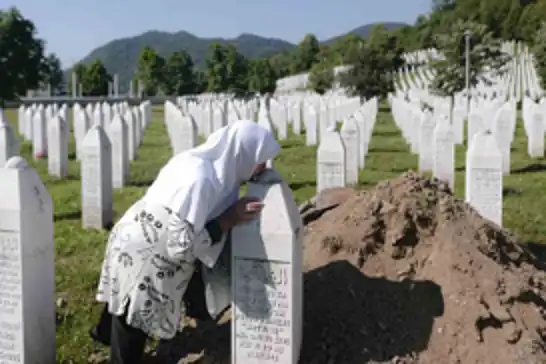
More than three decades have passed since the Srebrenica genocide, yet the tragedy remains one of the darkest chapters in modern European history. The massacre of more than 8,000 Bosniak Muslim men and boys in July 1995 was not simply another wartime atrocity—it was a genocide that unfolded in the heart of Europe despite the presence of the international community.

Today, the Chechen people and the broader Caucasian resistance community solemnly mark the 20th anniversary of the martyrdom of Shamil Basayev, one of the most prominent, courageous, and influential figures in modern Chechen history.
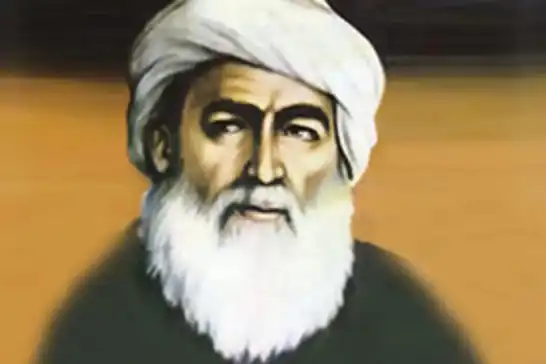
Today marks the 101st anniversary of the martyrdom of Sheikh Said and his companions, who led an uprising aimed at defending Islam, protecting religious institutions, and resisting policies that threatened the Islamic character of Anatolia.