Humanity dies in Gaza as the world watches
 13 oC

Güneşli

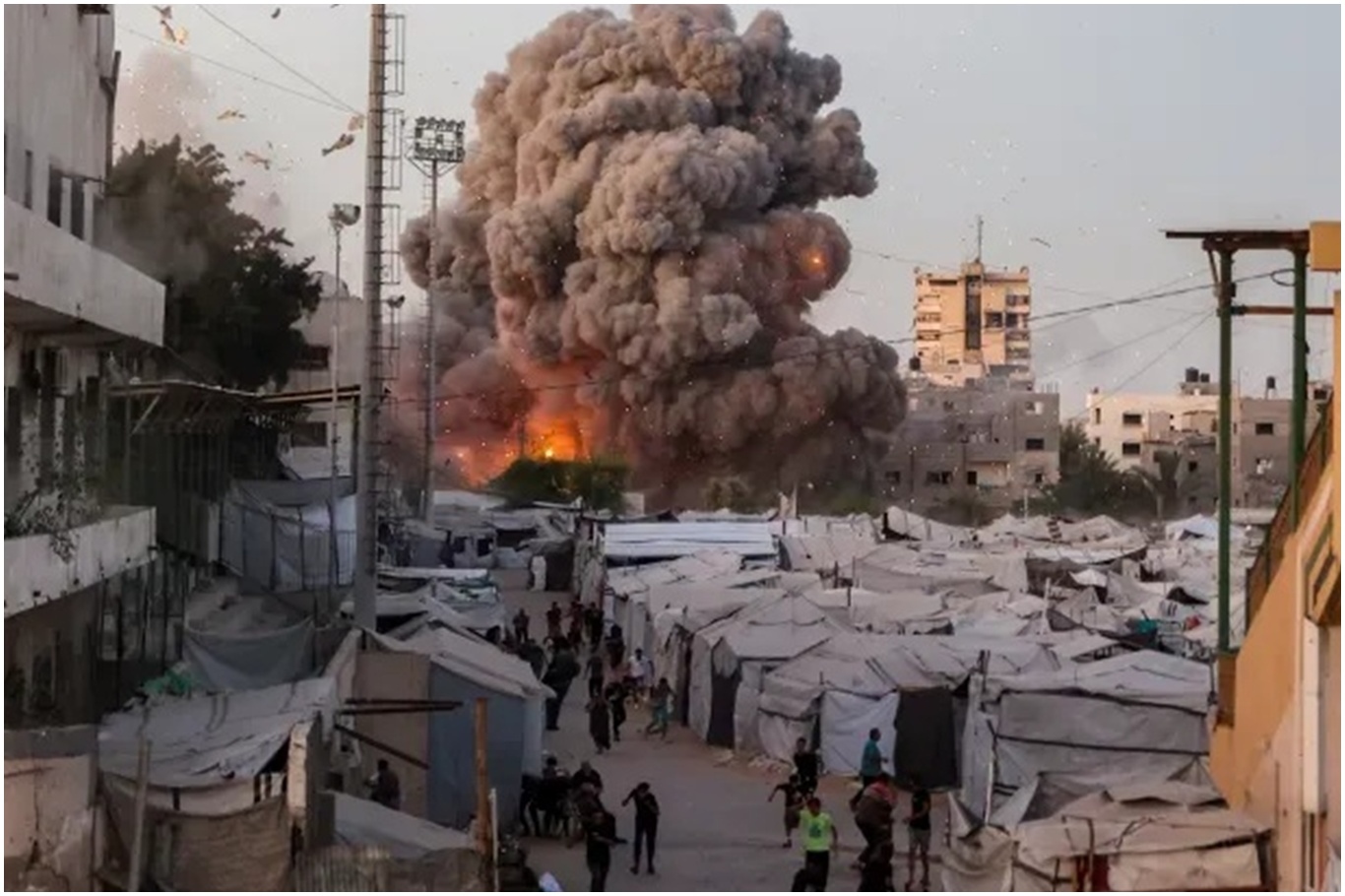
As the occupation regime continues to violate the ceasefire and intensify its attacks on the Gaza Strip, Palestinians remain trapped in an ever-deepening humanitarian catastrophe marked by bombardment, hunger, displacement and collapsing living conditions.
Despite repeated international calls for the protection of civilians, attacks have continued across the besieged enclave, while the response of the international community and the guarantor countries to ceasefire violations has drawn growing criticism.
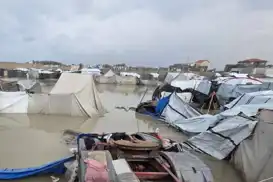
For hundreds of thousands of displaced Palestinians, daily life has become a struggle for survival. Families living in overcrowded shelters and makeshift tents face severe shortages of food, clean water, medicine and fuel, while plunging temperatures and heavy rainfall have further worsened humanitarian conditions.
Hospital attack deepens humanitarian crisis
According to Palestinian medical sources, occupation warplanes bombed Nasser Medical Complex west of Khan Younis, one of the largest remaining medical facilities serving southern Gaza.
The strike hit the second floor of the Al-Yasin Building, which houses surgical and other medical departments, martyring 11 people and injuring more than 20 others.
The attack caused extensive damage to surgical, internal medicine and recovery wards, forcing patients and medical staff into panic as emergency services struggled to cope with the aftermath.
Civilians and displacement camps remain under attack
Across different parts of Gaza, civilian vehicles and residential areas have continued to come under attack.
Makeshift camps sheltering displaced families—many of whom have already been forced to flee multiple times since the beginning of the war—have also been affected by continued bombardment, leaving thousands exposed to further danger.
Hunger, cold and displacement threaten lives
Beyond the military attacks, Gaza's humanitarian crisis continues to worsen.
Heavy rainfall has damaged thousands of tents, leaving displaced families without adequate shelter. Food shortages, limited access to essential supplies and deteriorating sanitary conditions have increased the suffering of the population, particularly children, the elderly and the sick.
While civilians continue to be martyred in airstrikes, countless children endure freezing temperatures without sufficient protection, and many families struggle to secure even their most basic daily needs.
As attacks continue despite the ceasefire, calls are growing for the international community and the guarantor states to take concrete steps to ensure the implementation of the truce, protect civilians and facilitate the urgent delivery of humanitarian assistance.(ILKHA)
LEGAL WARNING: All rights of the published news, photos and videos are reserved by İlke Haber Ajansı Basın Yayın San. Trade A.Ş. Under no circumstances can all or part of the news, photos and videos be used without a written contract or subscription.
Renewed calls for a comprehensive political ethics law have brought transparency, accountability and merit-based governance back to the centre of Türkiye’s political debate, following recent remarks by MHP leader Devlet Bahçeli.

Israel’s parliamentary election has entered a new phase of uncertainty after no political bloc secured the majority needed to form a government, opening a debate over possible coalition scenarios and their potential impact on the future of Palestine.
Türkiye’s hosting of the 31st Conference of the Parties to the UN Framework Convention on Climate Change (COP31), scheduled to take place in Antalya from November 9 to 20, 2026, has sparked debate over the economic, environmental and diplomatic implications of international climate policies.