Afghanistan, Bangladesh explore new opportunities to expand economic and trade ties
 13 oC
13 oC 
Güneşli

Afghanistan and Bangladesh have discussed expanding economic and commercial cooperation, with officials and business leaders exploring investment opportunities across agriculture, mining, industry, energy, transit and trade.
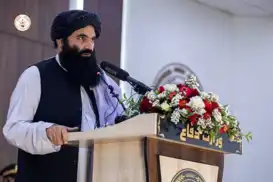
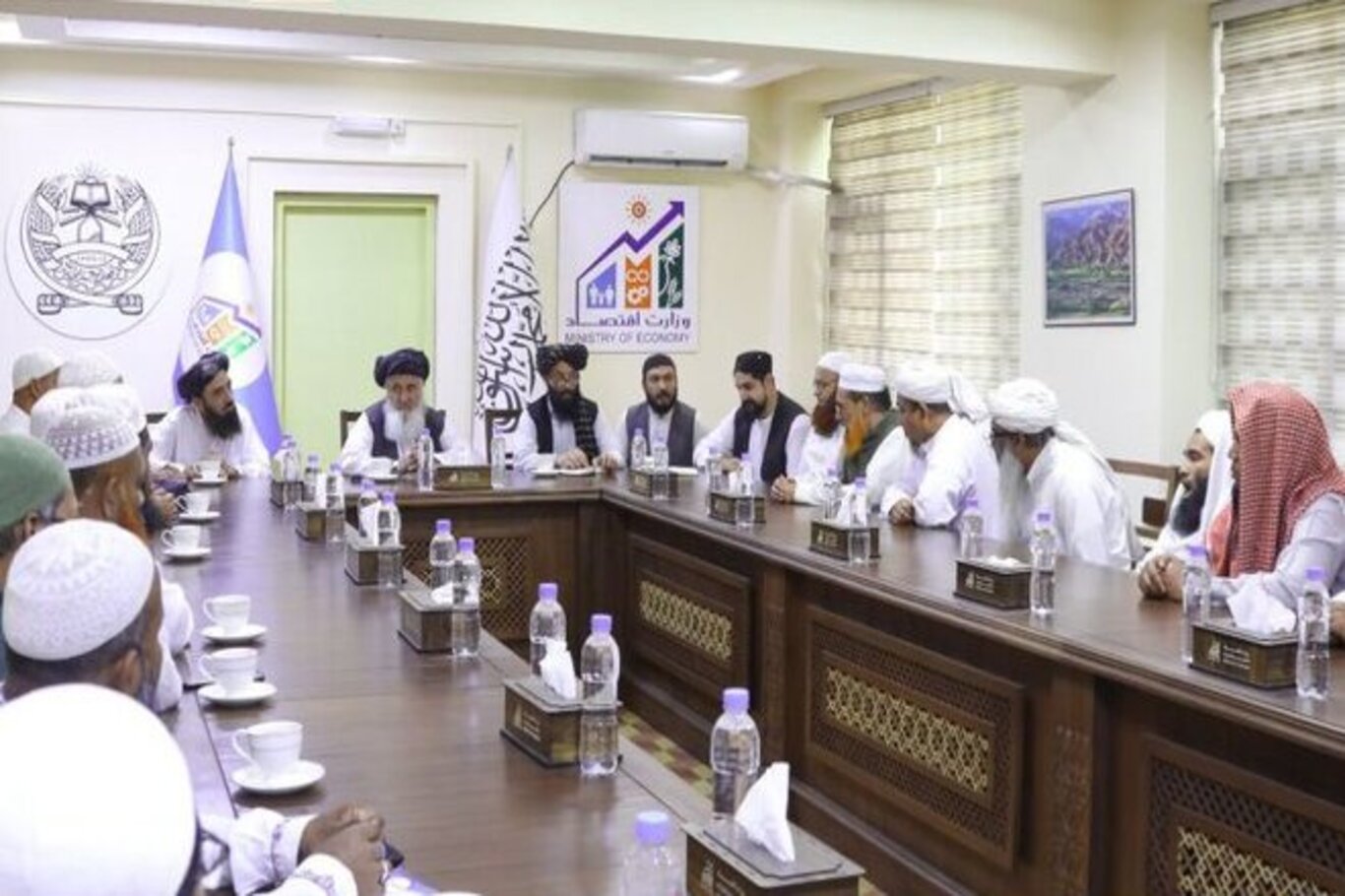
The Minister of Economy of the Islamic Emirate of Afghanistan held talks with a delegation of Bangladeshi scholars, business leaders, industrialists and investors, reaffirming Afghanistan’s commitment to strengthening economic and commercial relations with Bangladesh.
According to a statement issued by Afghanistan’s Ministry of Economy, the meeting focused on identifying new areas of cooperation and creating greater opportunities for investment and private-sector engagement between the two countries.
The two sides discussed potential investments in agriculture, mining, industrial production, energy, domestic manufacturing, transit and trade, highlighting sectors seen as offering significant opportunities for bilateral economic cooperation.
The Bangladeshi delegation emphasized the importance of strengthening cooperation between the private sectors of Afghanistan and Bangladesh.
Business leaders and investors explored opportunities for joint ventures and mutual investment, while discussions also focused on expanding commercial links and creating mechanisms that could facilitate greater participation by companies from both countries.
Afghanistan’s Ministry of Economy said the talks reflected a shared interest in developing stronger economic ties and expanding trade and investment opportunities.
The engagement comes as Afghanistan seeks to increase domestic production, attract foreign investment and strengthen economic links with regional and international markets.
Agriculture emerged as one of the areas with potential for expanded cooperation, given Afghanistan’s significant agricultural resources and Bangladesh’s experience in agricultural production and related industries.
Mining and energy were also identified as important areas for investment, alongside industrial development and domestic manufacturing.
Greater investment in these sectors could contribute to Afghanistan’s efforts to reduce dependence on imports while creating employment opportunities and strengthening local production capacity.
Transit and trade were another major component of the discussions, reflecting Afghanistan’s strategic position as a potential link between Central and South Asian markets.
The meeting highlights the Islamic Emirate’s efforts to strengthen Afghanistan’s economic engagement with regional countries through trade, investment and private-sector cooperation.
Kabul has increasingly emphasized economic diplomacy as a means of expanding commercial opportunities and encouraging foreign investors to participate in Afghanistan’s development.
For Bangladesh, deeper engagement with Afghanistan could open opportunities in emerging markets while providing Bangladeshi companies and investors with access to sectors including agriculture, industry, mining and energy.
Both sides expressed interest in identifying practical avenues for expanding bilateral investment and commercial cooperation.
The discussions underscore a growing emphasis on economic connectivity, private-sector partnerships and mutual investment as Afghanistan and Bangladesh seek to build stronger commercial relations and explore new opportunities for cooperation. (ILKHA)
LEGAL WARNING: All rights of the published news, photos and videos are reserved by İlke Haber Ajansı Basın Yayın San. Trade A.Ş. Under no circumstances can all or part of the news, photos and videos be used without a written contract or subscription.
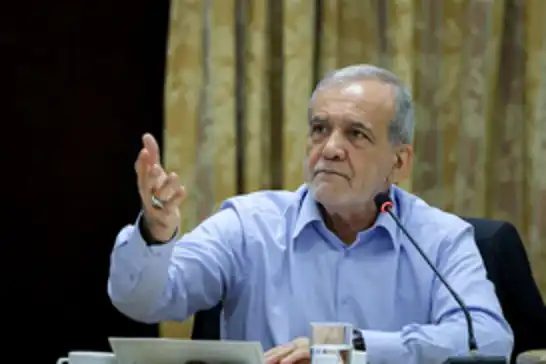
Iranian President Masoud Pezeshkian has reaffirmed Tehran’s determination to withstand mounting economic pressure and sanctions, saying the same national unity and resolve that helped the country endure recent US-Israeli military aggression will enable Iran to overcome the economic campaign against it.
Türkiye's Gross National Income (GNI) rose 41.4% in 2025 to 62.29 trillion Turkish liras, driven primarily by non-financial corporations, official data showed on Thursday.

Türkiye's annual consumer inflation rose to 29.73% in September, while prices increased 1.84% from the previous month, data from the Turkish Statistical Institute (TÜİK) showed on Monday.
Europe is entering the winter heating season with significantly lower natural gas reserves than in previous years, raising concerns over the region’s ability to meet rising demand as temperatures fall.