Federal reserve raises interest rates for first time in three years
 13 oC

Güneşli

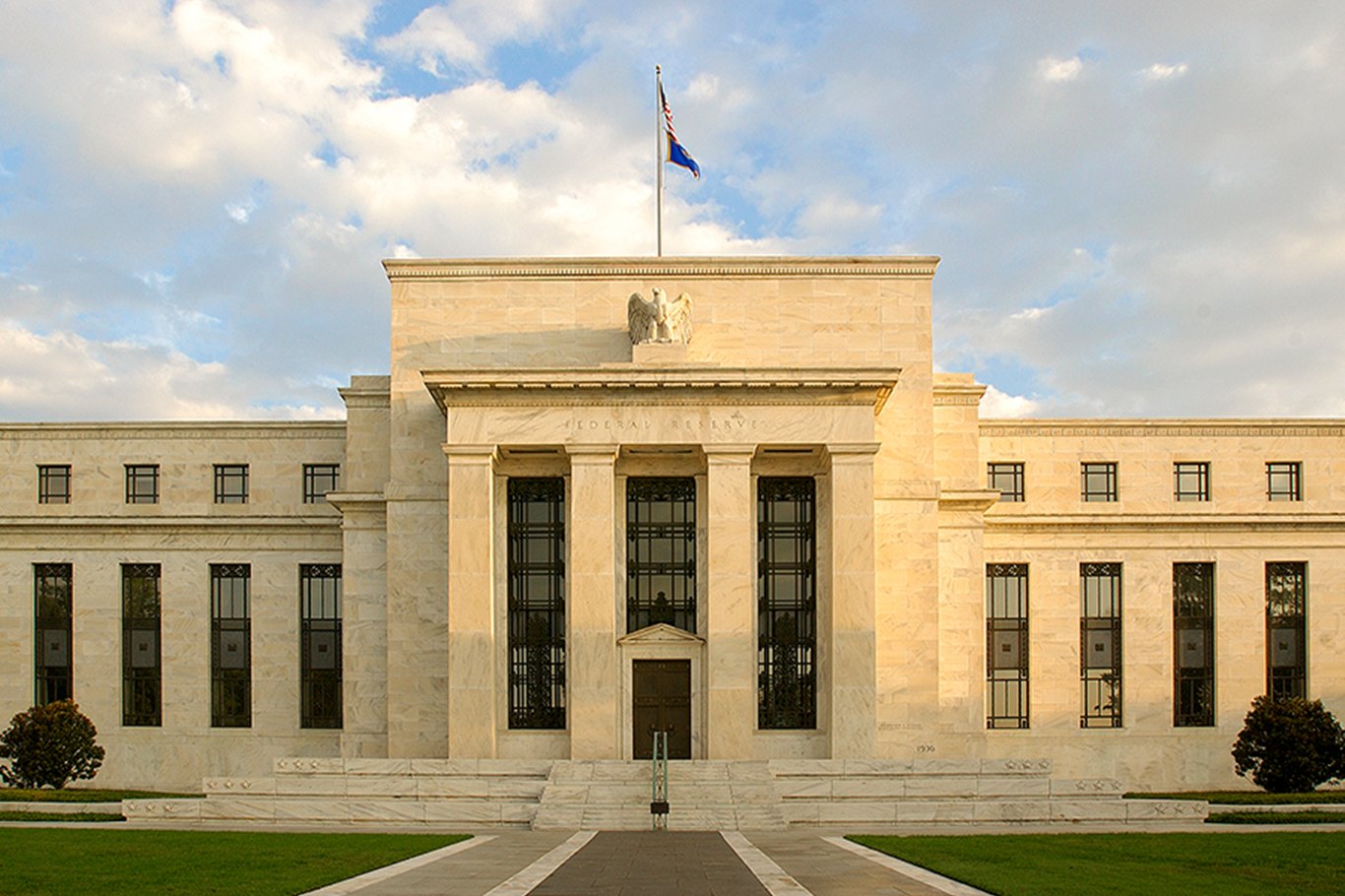
The US Federal Reserve raised its benchmark interest rate by a quarter percentage point on Wednesday, lifting the federal funds target range to 3.75%-4% as policymakers seek to contain persistent inflation.
The increase marks the Fed’s first rate hike since 2023 and reverses the direction of monetary policy after a period in which officials had largely held rates steady or moved toward easing. The Federal Open Market Committee approved the decision unanimously, 12-0.
In its statement, the Fed said economic activity was expanding at a solid pace, while domestic spending remained resilient. It also pointed to strong productivity growth and robust capital investment.
“Inflation remains elevated,” the central bank said, adding that the latest policy action was intended to support a more timely return to its 2% inflation target.
Fed signals another increase
The rate hike came alongside new economic projections showing that policymakers expect inflation to remain above target for longer than previously anticipated.
Fed officials now project 3.7% inflation for 2026, while the US economy is expected to grow by about 2.3%. The unemployment rate is projected at around 4.1%.
The projections also indicate that most policymakers expect one more rate increase before the end of 2026, followed by a period of unchanged rates before reductions begin later in the decade.
The updated outlook reflects concerns over continuing price pressures, including higher energy costs linked to geopolitical tensions and rising investment in artificial intelligence infrastructure.
Strong consumer spending adds to inflation concerns
Fresh data released Wednesday underscored the resilience of the US economy. Retail sales rose 1.2% in August, their strongest monthly increase since March, exceeding economists’ expectations.
However, import prices also increased sharply, rising 0.7% in August and 7% from a year earlier, adding to concerns about continued inflationary pressure.
Consumer prices rose 3.4% year-on-year in August, remaining well above the Fed’s 2% target.
Higher borrowing costs ahead
The rate increase is expected to put upward pressure on borrowing costs for households and businesses, particularly for credit cards and other loans tied closely to the Fed’s benchmark rate.
Mortgage rates have also remained elevated, with the average 30-year mortgage rate recently reaching about 6.76%, although mortgage rates are influenced more directly by longer-term Treasury yields than by the Fed’s policy rate itself.
At the same time, higher interest rates can provide better returns for savers through deposit accounts and certificates of deposit.
The Fed’s decision comes as financial markets closely watch the central bank’s next steps, with policymakers facing the difficult task of bringing inflation down without unnecessarily weakening economic growth or the labor market.
The latest projections suggest that the September increase may not be the final move in the Fed’s tightening cycle, with officials signaling that another hike could come before the end of the year. (ILKHA)
LEGAL WARNING: All rights of the published news, photos and videos are reserved by İlke Haber Ajansı Basın Yayın San. Trade A.Ş. Under no circumstances can all or part of the news, photos and videos be used without a written contract or subscription.

Türkiye’s research and development spending has risen to $20 billion from $1.2 billion in 2002, President Recep Tayyip Erdogan said on Friday, highlighting efforts to strengthen the country’s position in the global technology race.

Istanbul accounted for 25.6% of household consumption expenditure in Türkiye, followed by the Aegean region with 14.5% and the Mediterranean region with 12.6%, Turkish Statistical Institute data showed on Friday.

Türkiye’s construction production increased by 2.3% year-on-year in August 2026, the Turkish Statistical Institute (TurkStat) said in statement on Thursday.

The European Union and Türkiye have agreed to pursue closer trade cooperation and address outstanding market-access barriers after their third High-Level Dialogue on Trade in Brussels, as bilateral goods trade reached a record €217.6 billion in 2025.