Oil prices plunge more than 3% as US-Iran diplomatic efforts raise hopes of de-escalation
 13 oC

Güneşli

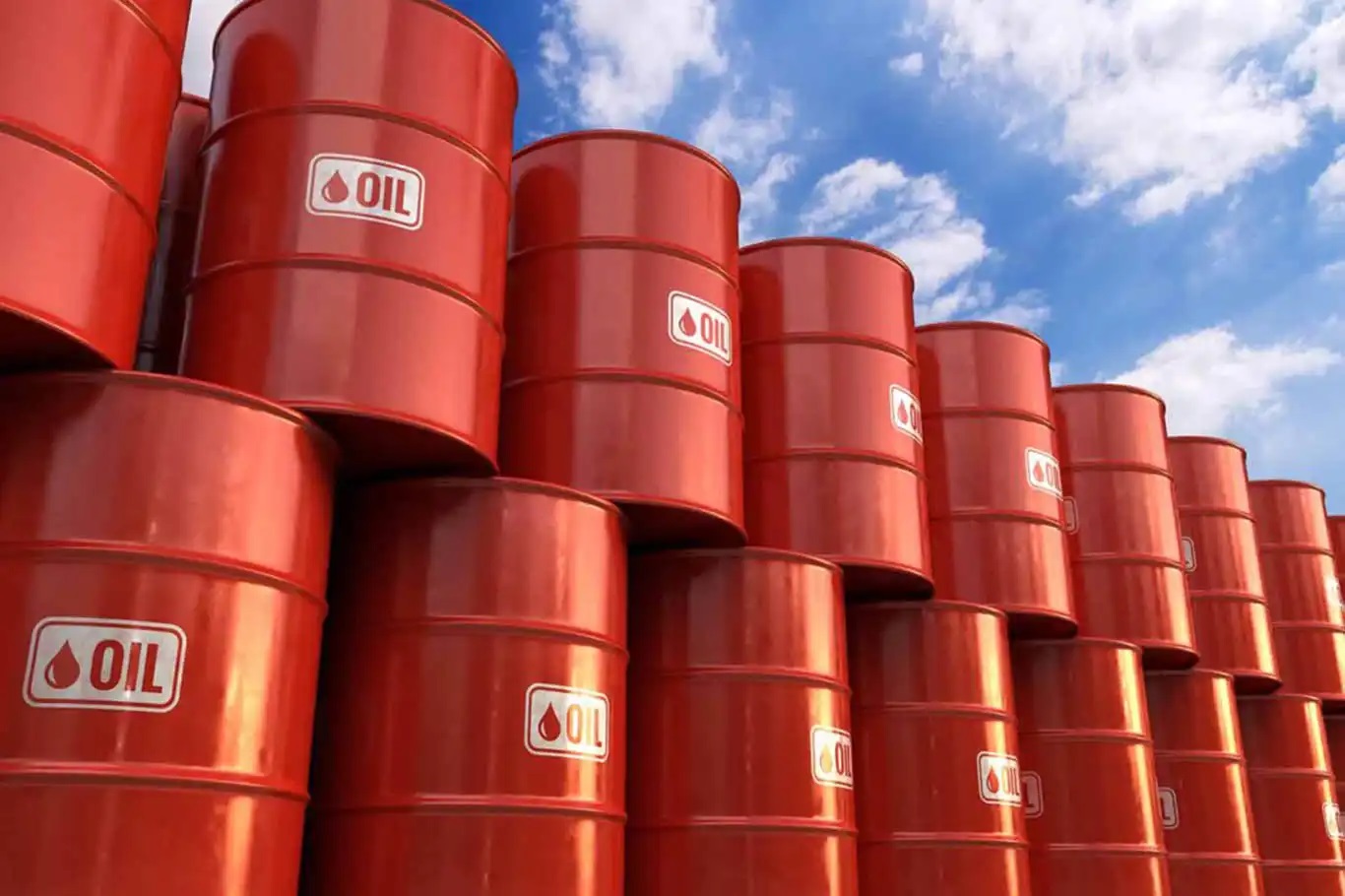
Global oil prices fell more than 3% on Monday as renewed diplomatic efforts to end the conflict involving the United States and Iran eased concerns over potential disruptions to Middle Eastern energy supplies.
Brent crude futures for January delivery dropped 3.4% to $109.61 a barrel, while US West Texas Intermediate (WTI) crude futures for December delivery declined 3.6% to $100.39. January WTI futures also fell 3.4% to $98.71.
The decline reversed part of last week's gains, when Brent crude reached its highest level in six months amid fears that the conflict could escalate and further disrupt regional oil shipments.
Iran-Qatar Talks Ease Market Concerns
The latest decline followed three consecutive days of discussions between Iranian and Qatari officials aimed at advancing diplomatic efforts to end the conflict.
Iranian Foreign Minister Abbas Araghchi said on Sunday that the ongoing discussions were intended to continue consultations with Qatari mediators. He stressed that Tehran remained prepared for both diplomacy and defence.
The talks have raised hopes of reducing the risk of further military escalation and restoring more predictable energy shipments through the strategically important Strait of Hormuz.
However, no agreement had been announced, and Iran indicated that no direct meeting with US officials was planned as part of the latest discussions.
Market analysts said the decline reflected both optimism over diplomatic progress and a correction following the previous week's strong rally.
Tim Waterer, chief market analyst at KCM Trade, said the absence of significant military escalation over the weekend had eased some immediate pressure on oil prices.
Nevertheless, he warned that renewed tensions could push Brent crude towards $120 a barrel, particularly if developments following Tuesday's US midterm elections increased the risk of confrontation.
Supply Risks Remain Despite Price Decline
Despite Monday's decline, concerns over the security of regional energy supplies remain significant.
The Strait of Hormuz, through which a substantial portion of global oil shipments normally passes, remains at the centre of the crisis. Recent attacks and security incidents involving commercial vessels have increased shipping costs and uncertainty across international energy markets.
Meanwhile, the Organization of the Petroleum Exporting Countries and its allies, known as OPEC+, agreed on Sunday to maintain their December production targets, signalling that further adjustments to output policy are unlikely before next year.
The conflict has also disrupted regional exports, forcing some producers to redirect shipments through alternative routes.
For global energy markets, the direction of oil prices will depend heavily on whether diplomatic efforts produce a lasting agreement or renewed military tensions further threaten production and shipping.
Although Monday's sharp decline offered some relief to oil-importing economies, analysts cautioned that geopolitical uncertainty continues to leave crude prices vulnerable to sudden swings. (ILKHA)
LEGAL WARNING: All rights of the published news, photos and videos are reserved by İlke Haber Ajansı Basın Yayın San. Trade A.Ş. Under no circumstances can all or part of the news, photos and videos be used without a written contract or subscription.

Afghanistan’s Islamic Emirate has inaugurated the first phase of the Shoranda cement factory in Kandahar, with Deputy Prime Minister for Economic Affairs Mullah Abdul Ghani Baradar Akhund describing the project as part of the country's efforts to strengthen domestic production and reduce reliance on imports.

Türkiye's gross domestic expenditure on research and development (R&D) increased by 328.6 billion Turkish liras year-on-year to reach 980.4 billion liras in 2025, while the share of R&D spending in the country's gross domestic product (GDP) rose to 1.55 per cent, according to the 2025 Research and Development Activities Survey released by the Turkish Statistical Institute (TurkStat).

Türkiye’s economic confidence index fell by 3.9% in October from the previous month to 97.3, the Turkish Statistical Institute (TurkStat) said on Friday.