Türkiye’s GDP per capita remains below EU average in 2024-- TurkStat

 13 oC
13 oC 
Güneşli

Türkiye’s gross domestic product (GDP) per capita index based on purchasing power parity (PPP) stood at 72 in 2024, according to figures released by the Turkish Statistical Institute (TurkStat) on Wednesday.
The result places Türkiye 28 percent below the average of the 27 European Union (EU) member states, which is set at an index value of 100.
Purchasing power parities are used to convert national economic data into a common artificial currency, allowing for meaningful comparisons of economic offer and living standards by equalizing differences in price levels between countries.
The data was compiled within the framework of the European Comparison Program for 2024, which covered 36 countries. These included the 27 EU member states, three European Free Trade Association (EFTA) countries—Switzerland, Iceland, and Norway—and six EU candidate countries: Türkiye, North Macedonia, Montenegro, Serbia, Albania, and Bosnia and Herzegovina.
Among the countries included in the comparison, Luxembourg recorded the highest GDP per capita index at 245, standing 145 percent above the EU average. Bosnia and Herzegovina ranked last with an index of 35, placing it 65 percent below the EU-27 average.
In addition to GDP per capita, TurkStat also published figures on actual individual consumption (AIC) per capita, an indicator considered more reflective of households’ material welfare. AIC includes goods and services purchased by consumers as well as those provided free of charge by governments or non-profit institutions, such as education and healthcare.
Türkiye’s AIC per capita index was recorded at 71 in 2024, which is 29 percent below the EU average of 100. Luxembourg again ranked first with an AIC index of 146, while Bosnia and Herzegovina recorded the lowest level at 42.
Despite lower income and consumption levels compared to the EU average, Türkiye continues to stand out for its relatively low price levels. According to the data, the price level index for actual individual consumption in Türkiye was 51 in 2024.
This means that a basket of goods and services costing 100 euros on average across EU countries could be purchased for just 51 euros in Türkiye. A price level index below 100 indicates that a country is relatively cheaper compared to the reference group, while an index above 100 suggests higher costs.
The figures highlight the contrast between Türkiye’s lower income and consumption levels relative to Europe and its comparatively affordable cost of living, a dynamic that continues to shape economic and social conditions across the country. (ILKHA)
LEGAL WARNING: All rights of the published news, photos and videos are reserved by İlke Haber Ajansı Basın Yayın San. Trade A.Ş. Under no circumstances can all or part of the news, photos and videos be used without a written contract or subscription.

Türkiye’s Minister of Energy and Natural Resources Alparslan Bayraktar has announced that the share of local and renewable energy sources in the country’s electricity generation continued to rise significantly in May, reaching new milestone levels.

Afghanistan’s Ministry of Industry and Commerce has announced the successful conclusion of the Afghan-Kazakh Business Forum, which resulted in the signing of 25 cooperation agreements between private sector representatives from Afghanistan and Kazakhstan.
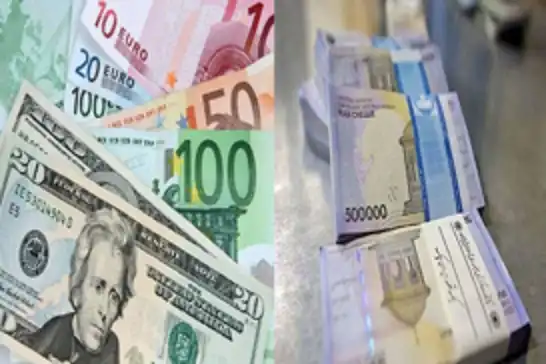
Iran's foreign exchange market and stock exchange posted strong gains following the signing of the Islamabad Memorandum between Iran and the United States, as investors responded positively to expectations of easing tensions and improved economic prospects.
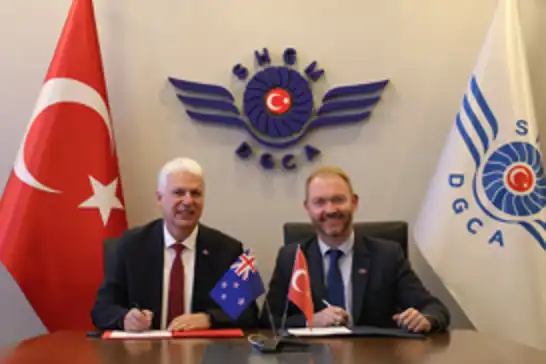
Türkiye and New Zealand have signed a Memorandum of Understanding (MoU) aimed at strengthening bilateral air transport relations and expanding cooperation in civil aviation, Türkiye's Ministry of Transport and Infrastructure said.