Türkiye’s relative poverty rate falls to 13.0% in 2025
 13 oC
13 oC 
Güneşli

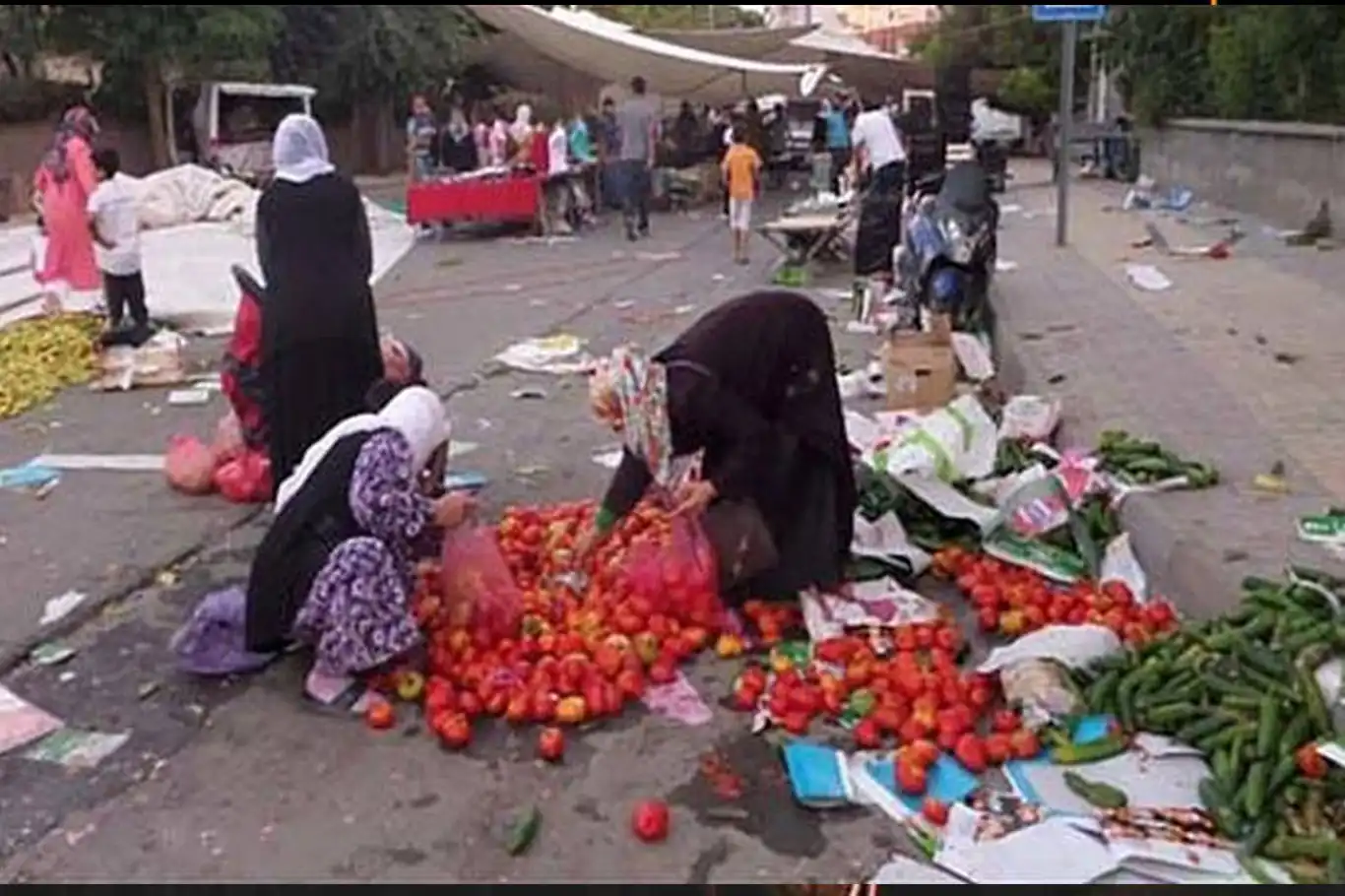
Türkiye’s relative poverty rate declined to 13.0% in 2025, according to the latest Income and Living Conditions Survey results released by official statistics authorities.
The findings are based on income data from the 2024 calendar year and reflect a modest but consistent improvement across several poverty and deprivation indicators.
The survey calculates poverty by converting household income into equivalised disposable income, taking into account household size and composition. Individuals earning below a certain percentage of the national median income are considered at risk of poverty under the relative definition.
According to the data, the at-risk-of-poverty rate based on a threshold of 50% of median equivalised household disposable income fell by 0.6 percentage points compared to the previous year, reaching 13.0%. When the poverty threshold was set at 60% of median income, the rate declined to 20.6%, also down by 0.6 points year-on-year.
Further breakdowns showed that the at-risk-of-poverty rate stood at 6.2% under the 40% threshold and 28.7% under the 70% threshold, both reflecting slight decreases compared to 2024.
Lowest Poverty Rate Seen in Multi-Person Non-Family Households
Analysis by household type revealed that multi-person households without family ties recorded the lowest poverty rate at 3.9%, marking a sharp decrease of 6.9 points. One-person households followed with a poverty rate of 5.4%.
In contrast, extended-family households faced a higher poverty rate of 17.5%, while one-family households recorded a rate of 12.9%, both showing marginal improvements compared to the previous year.
Education Level Strongly Linked to Poverty Risk
Educational attainment remained a key factor influencing poverty levels. The highest poverty rate, 23.8%, was observed among individuals with no formal degree. This was followed by 13.0% among those with less than a high school education and 7.5% among high school graduates.
Higher education graduates were the least affected, with an at-risk-of-poverty rate of just 2.5%, highlighting the strong protective effect of advanced education against income poverty.
Severe Material and Social Deprivation Declines
The severe material and social deprivation rate decreased from 13.3% in 2024 to 11.9% in 2025. This indicator measures individuals who are unable to afford at least seven out of thirteen basic household and personal items, including heating, adequate nutrition, unexpected expenses, social participation, and internet access.
Household-level deprivations most commonly included the inability to replace worn furniture, afford a one-week annual holiday, or meet unexpected financial expenses.
Persistent Poverty Affects 13.6% of Population
The persistent at-risk-of-poverty rate, which tracks individuals living below the 60% poverty threshold for at least two out of the previous three years, stood at 13.6% in 2025. This figure declined slightly by 0.1 points compared to the previous year, indicating limited but ongoing challenges in breaking long-term poverty cycles.
Regional Differences Remain Pronounced
Significant regional disparities were observed. The TR21 region (Tekirdağ, Edirne, Kırklareli) recorded the highest relative poverty rate at 14.5%, followed closely by TR82 (Kastamonu, Çankırı, Sinop) at 14.3%.
In contrast, the TRC2 region (Şanlıurfa, Diyarbakır) recorded the lowest relative poverty rate at 4.6%, followed by TRB1 (Malatya, Elazığ, Bingöl, Tunceli) at 6.3%.
More Than a Quarter of Population at Risk of Poverty or Social Exclusion
The combined at-risk-of-poverty or social exclusion rate stood at 27.9% in 2025. Children were the most affected group, with 36.8% of individuals aged 0–17 facing poverty or exclusion risks. The rate fell to 25.1% among adults aged 18–64 and 22.8% among those aged 65 and over.
Majority Never Experienced Poverty Over Four-Year Period
Four-year panel data showed that 75.0% of the population had never fallen below the poverty threshold during the period examined. However, 3.9% of individuals remained in poverty for all four years, while others experienced poverty intermittently.
Housing Conditions and Financial Pressure Persist
Housing-related problems remained widespread, with 28.8% of the population reporting issues such as damp walls or leaking roofs. Additionally, 27.9% experienced heating problems due to poor insulation.
More than half of the population (56.4%) had installment payments or loans, excluding housing costs. While 13.7% reported that these payments posed a heavy burden, the proportion of households heavily burdened by expenses declined slightly to 12.9%.
Homeownership Rises to 57.1%
The share of people living in their own dwellings increased to 57.1% in 2025, up by one percentage point from the previous year. Meanwhile, 27.0% lived in rented housing, and 15.0% occupied homes without paying rent despite not owning them.
Overall, the 2025 data points to gradual improvements in poverty and deprivation indicators, while underscoring persistent inequalities across education levels, age groups, and regions. (ILKHA)
LEGAL WARNING: All rights of the published news, photos and videos are reserved by İlke Haber Ajansı Basın Yayın San. Trade A.Ş. Under no circumstances can all or part of the news, photos and videos be used without a written contract or subscription.

Türkiye’s research and development spending has risen to $20 billion from $1.2 billion in 2002, President Recep Tayyip Erdogan said on Friday, highlighting efforts to strengthen the country’s position in the global technology race.

Istanbul accounted for 25.6% of household consumption expenditure in Türkiye, followed by the Aegean region with 14.5% and the Mediterranean region with 12.6%, Turkish Statistical Institute data showed on Friday.
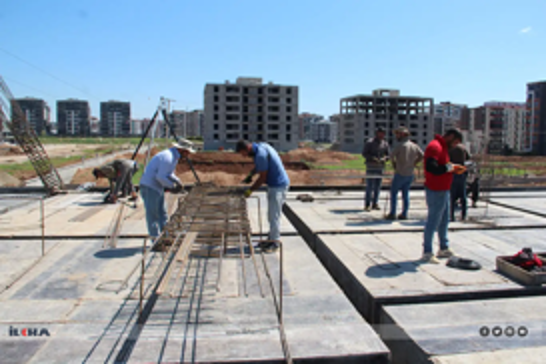
Türkiye’s construction production increased by 2.3% year-on-year in August 2026, the Turkish Statistical Institute (TurkStat) said in statement on Thursday.

The European Union and Türkiye have agreed to pursue closer trade cooperation and address outstanding market-access barriers after their third High-Level Dialogue on Trade in Brussels, as bilateral goods trade reached a record €217.6 billion in 2025.