Türkiye, Syria step up efforts to boost trade and cross-border transit
 13 oC
13 oC 
Güneşli

Türkiye and Syria are taking further steps to expand economic cooperation, improve border crossings and strengthen trade and transit routes linking the two countries with wider Middle Eastern markets.
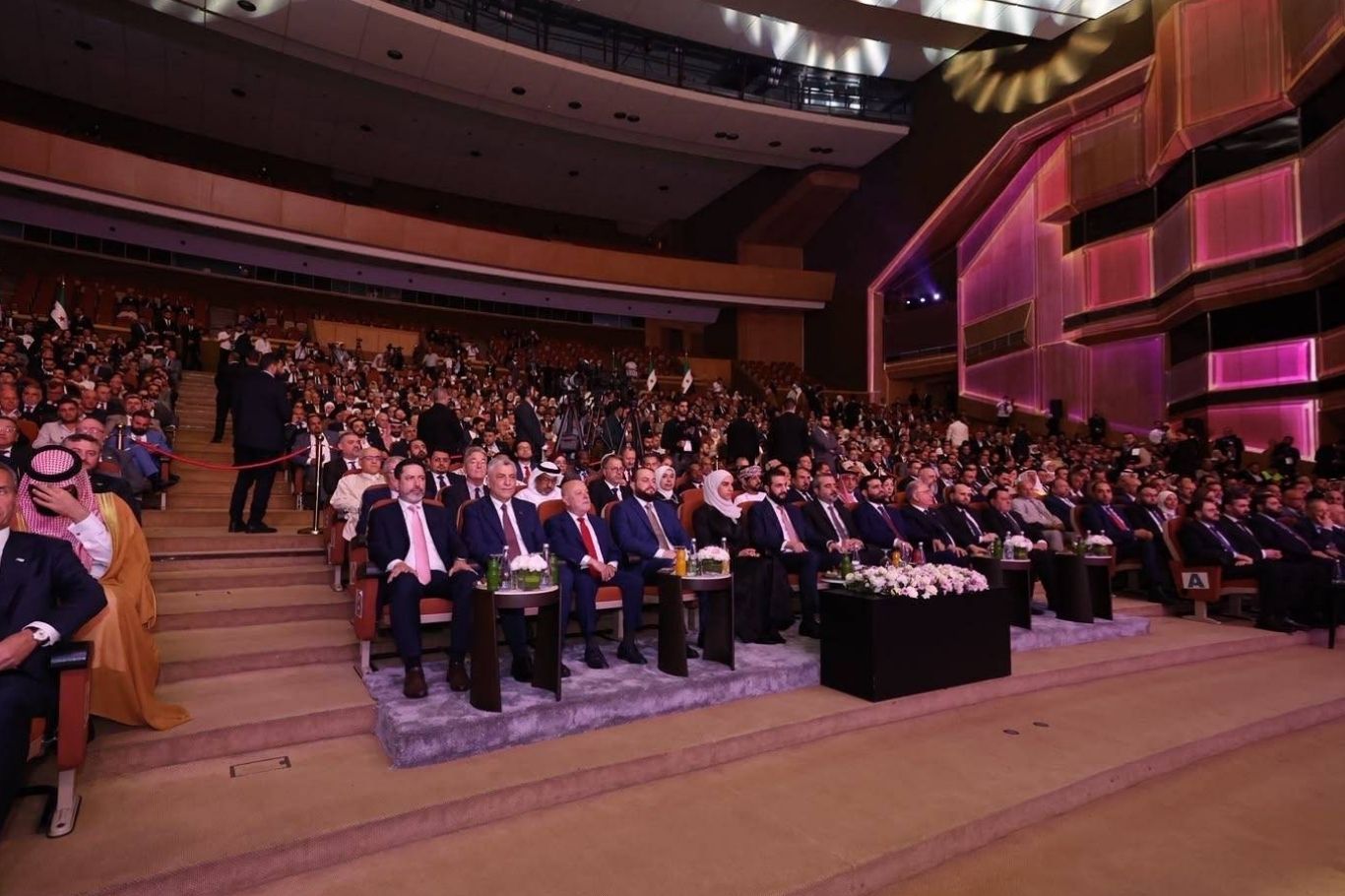
Turkish Trade Minister Ömer Bolat met with Qutaiba Badawi, head of Syria’s General Authority for Border Crossings and Customs, on Wednesday, alongside senior officials and representatives of leading Turkish chambers of commerce and industry.
The talks focused on improving customs procedures, expanding border-crossing capacity, facilitating the movement of trucks and goods, and encouraging new investment and logistics projects.
From Türkiye’s perspective, the development of border infrastructure and transport corridors is crucial for strengthening commercial ties with Syria while opening more efficient routes toward Jordan, Iraq, Saudi Arabia and the Gulf states.
Türkiye-Syria trade ties gain momentum
During the meeting, the two sides reviewed plans to expand and modernize several joint border crossings, with particular attention to the Cilvegözü-Bab al-Hawa crossing, one of the key gateways for trade and transportation between Türkiye and Syria.
The sides also discussed establishing dedicated lanes and facilities for transit trucks to accelerate cross-border traffic and reduce congestion.
Technical and construction work is also continuing in preparation for the reopening of the Nusaybin-Qamishli border crossing, which could provide an additional channel for trade and transportation once operational.
Turkish and Syrian officials emphasized the need to accelerate infrastructure projects and simplify procedures to increase the capacity of border gates and improve services for travelers, transport companies and businesses.
Ankara backs easier customs procedures
Customs procedures and transportation costs were also high on the agenda.
Business representatives from both countries raised concerns about customs fees and the practice of unloading and reloading cargo at border crossings.
The two sides discussed moving toward a system that would allow trucks to cross borders directly, reducing delays and transportation costs and making bilateral and transit trade more efficient.
They also considered improving temporary admission procedures, processing goods for re-export and making greater use of free-zone facilities.
For Turkish businesses, streamlining these procedures could significantly improve the competitiveness of Turkish exports while strengthening Syria's role as a transportation corridor to Arab markets.
Transit traffic expands rapidly
The growing volume of traffic through Turkish-Syrian border crossings demonstrates the increasing importance of the commercial relationship.
Badawi said around five million passenger movements had been recorded through the crossings since December 8, 2024, while nearly 780,000 Syrians had voluntarily returned to Syria.
Approximately 600,000 trucks had also crossed the border during the period.
Transit traffic has expanded particularly rapidly. According to Badawi, the number of transit trucks rose from approximately 3,500 in 2025 to more than 30,000 during the first seven months of 2026.
He attributed the increase partly to cooperation with the Turkish side and emphasized the importance of continuing coordination to further expand cross-border trade.
Syria's strategic position creates opportunities for Türkiye
Bolat welcomed the progress being made in Syria, particularly efforts to reorganize customs operations and modernize border crossings and ports.
He also highlighted the importance of Syria's geographic position for Türkiye's access to markets farther south.
According to Bolat, bilateral trade between Türkiye and Syria increased by 42 percent over the past year, demonstrating the potential for further expansion as transportation and customs infrastructure improves.
Syria's location provides Türkiye with a potentially important land bridge toward Jordan, Iraq, Saudi Arabia and the Gulf countries.
Bolat stressed the need to develop land transportation corridors and transform them into an integrated regional network capable of supporting greater flows of goods, investment and transit traffic.
Ankara sees Syria as a regional trade corridor
Türkiye has increasingly emphasized the importance of restoring and expanding regional trade routes through Syria.
At the Türkiye-Syria Business and Investment Forum in April, Bolat said transit trade through Syria to the wider Middle East and Gulf region had become possible, highlighting the country's potential role in reconnecting Türkiye with southern markets.
For Ankara, stronger trade links with Syria could benefit not only bilateral commerce but also Turkish exporters, logistics companies, manufacturers and investors seeking access to Middle Eastern markets.
The development of border crossings and transport corridors could also reduce logistical bottlenecks and create new opportunities for Turkish companies in construction, infrastructure, transportation, manufacturing and logistics.
Focus shifts toward long-term economic integration
The latest talks signal an effort by Türkiye and Syria to move beyond simply facilitating border traffic and toward deeper economic integration.
The two sides agreed to maintain technical and institutional coordination, simplify procedures for transport operators and investors and encourage joint industrial and logistics projects.
The expansion of border infrastructure, combined with more efficient customs procedures and new transit corridors, could gradually position Türkiye and Syria as important components of a broader regional trade network.
For Ankara, the objective is clear: more efficient border crossings, lower transportation costs and stronger land connections between Türkiye, Syria and the wider Arab market.
As trade volumes continue to rise, the modernization of these corridors is expected to become increasingly important to Türkiye's regional commercial strategy and to efforts to restore interconnected trade routes across the Middle East. (ILKHA)
LEGAL WARNING: All rights of the published news, photos and videos are reserved by İlke Haber Ajansı Basın Yayın San. Trade A.Ş. Under no circumstances can all or part of the news, photos and videos be used without a written contract or subscription.
Iran and Afghanistan are seeking to expand economic cooperation beyond the export of goods, with contracts worth more than $400 million signed or agreed at the 5th Abu Hanifa International Expo in Kabul, the head of the Iran-Afghanistan Joint Chamber of Commerce said.
Türkiye's industrial production fell 1.9 per cent in August from a year earlier, while output declined 1.0 per cent compared with the previous month, according to data released by the Turkish Statistical Institute (TurkStat).
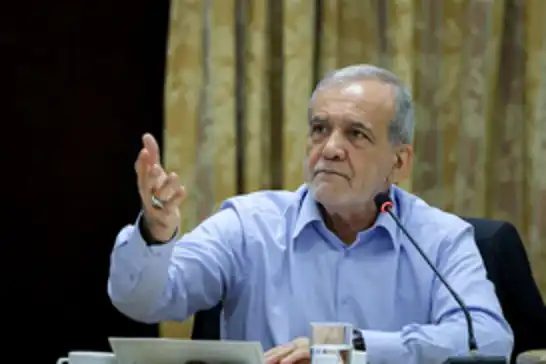
Iranian President Masoud Pezeshkian has reaffirmed Tehran’s determination to withstand mounting economic pressure and sanctions, saying the same national unity and resolve that helped the country endure recent US-Israeli military aggression will enable Iran to overcome the economic campaign against it.

Türkiye's Gross National Income (GNI) rose 41.4% in 2025 to 62.29 trillion Turkish liras, driven primarily by non-financial corporations, official data showed on Thursday.