Türkiye's exports rise to $409.1 billion, nearing year-end target
 13 oC

Güneşli

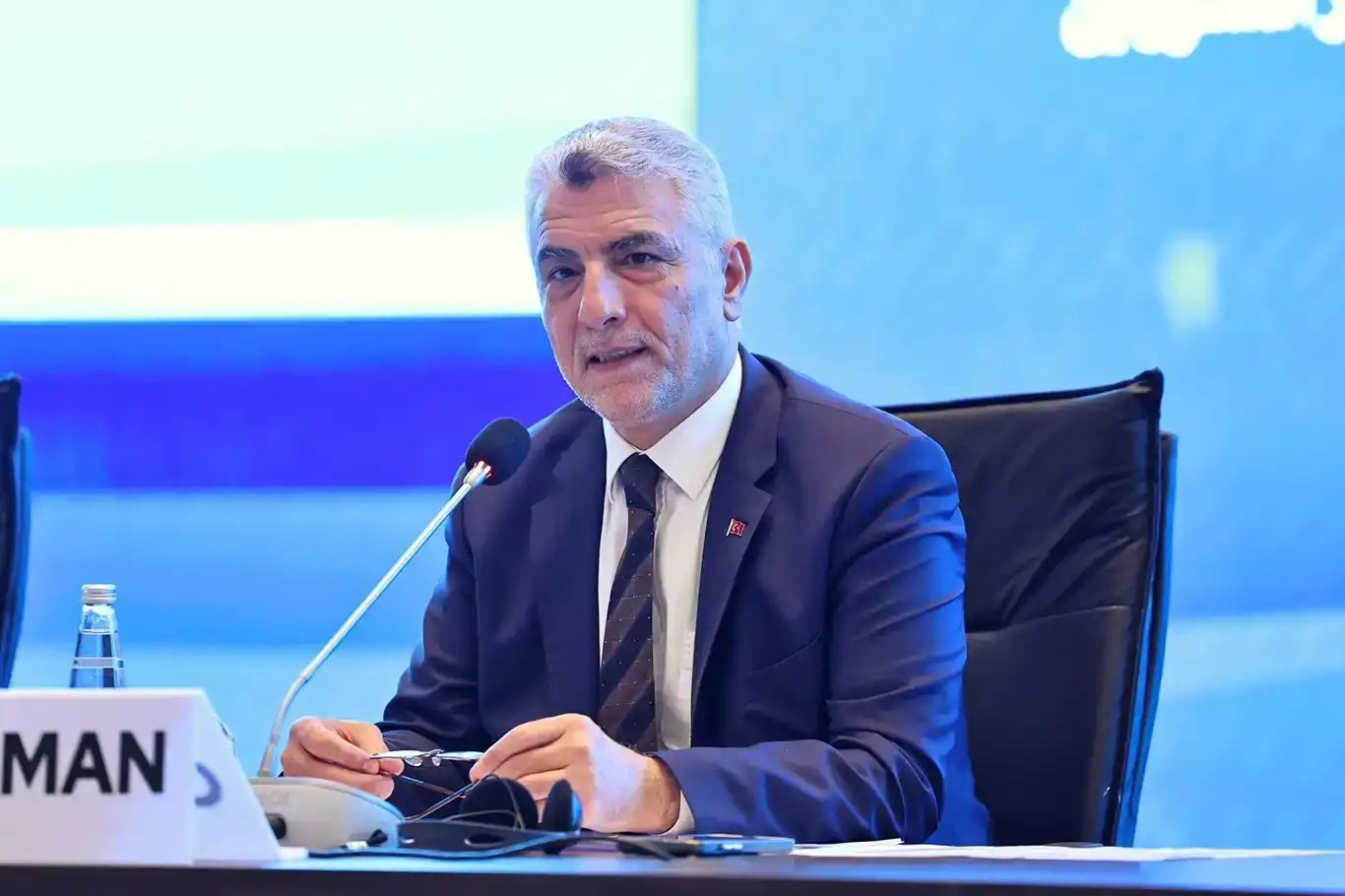
Türkiye's annualised goods and services exports reached $409.1 billion as of September, bringing the country closer to its $410 billion year-end target, Trade Minister Ömer Bolat announced.
Evaluating Türkiye's foreign trade performance, Bolat said annualised goods exports stood at $283.7 billion, while services exports reached $125.4 billion, marking the highest level recorded in services exports so far.
Bolat said the total value of goods and services exports had increased to $409.1 billion over the last 12 months, adding that only $900 million remained to exceed the year-end target set for Türkiye.
Türkiye strengthens its position in global trade
The minister said Türkiye's share in global merchandise exports has increased significantly, rising from 0.55 per cent in 2002 to 1.04 per cent in 2025.
He noted that Türkiye's export capacity has expanded in terms of both markets and product diversity. While exports in the early years of the Republic were limited to a small number of countries and product groups, Türkiye now reaches hundreds of countries and customs territories with thousands of products.
Bolat stated that Türkiye exported nearly 13,000 different products to international markets and that the number of exporting companies reached 167,779.
High-value production boosts exports
Highlighting the transformation of Türkiye's export structure, Bolat said the share of industrial products in total exports had increased to 94.3 per cent, compared with 21.2 per cent in 1969.
He also noted that the share of medium-high and high-technology products in manufacturing exports rose to 43.5 per cent in 2025, reaching 44.1 per cent on an annualised basis as of September 2026.
According to Bolat, Türkiye's exports to the European Union have also expanded considerably, with annualised exports to EU-27 countries reaching $118.7 billion as of September 2026.
Economy continues to expand
Bolat said Türkiye's economy recorded an average annual growth rate of 5.4 per cent between 2003 and 2025, compared with a global average growth rate of 3.6 per cent during the same period.
He added that Türkiye's gross domestic product increased from $238.7 billion in 2002 to $1.602 trillion in 2025, while per capita income rose from $3,616 to $18,103.
The minister highlighted the growing role of strategic sectors such as automotive, defence and aerospace, household appliances, textiles and ready-made clothing in Türkiye's export performance.
E-commerce and micro exports expand
Bolat also pointed to the rapid growth of e-commerce in Türkiye, saying the sector's volume increased from TRY136 billion in 2019 to TRY4.57 trillion in 2025.
During the same period, the number of e-commerce transactions reached 5.94 billion, while the number of businesses operating in the sector rose to 634,611.
He added that micro-export opportunities have helped more small businesses access international markets, with the number of micro-export transactions increasing significantly in recent years.
Bolat said Türkiye would continue strengthening its production capacity, expanding exports, increasing technology-based manufacturing and improving its competitiveness in global trade. (ILKHA)
LEGAL WARNING: All rights of the published news, photos and videos are reserved by İlke Haber Ajansı Basın Yayın San. Trade A.Ş. Under no circumstances can all or part of the news, photos and videos be used without a written contract or subscription.

Türkiye's gross domestic expenditure on research and development (R&D) increased by 328.6 billion Turkish liras year-on-year to reach 980.4 billion liras in 2025, while the share of R&D spending in the country's gross domestic product (GDP) rose to 1.55 per cent, according to the 2025 Research and Development Activities Survey released by the Turkish Statistical Institute (TurkStat).

Türkiye’s economic confidence index fell by 3.9% in October from the previous month to 97.3, the Turkish Statistical Institute (TurkStat) said on Friday.
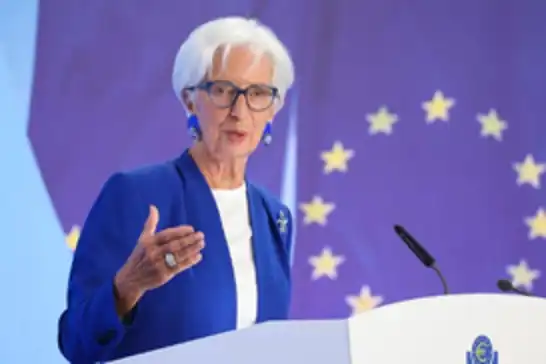
European Central Bank President Christine Lagarde will step down on February 7, 2027, the ECB announced Thursday, ending months of speculation about her future as Europe faces mounting economic uncertainty and political divisions.