ECB President Christine Lagarde to step down in February 2027
 13 oC

Güneşli

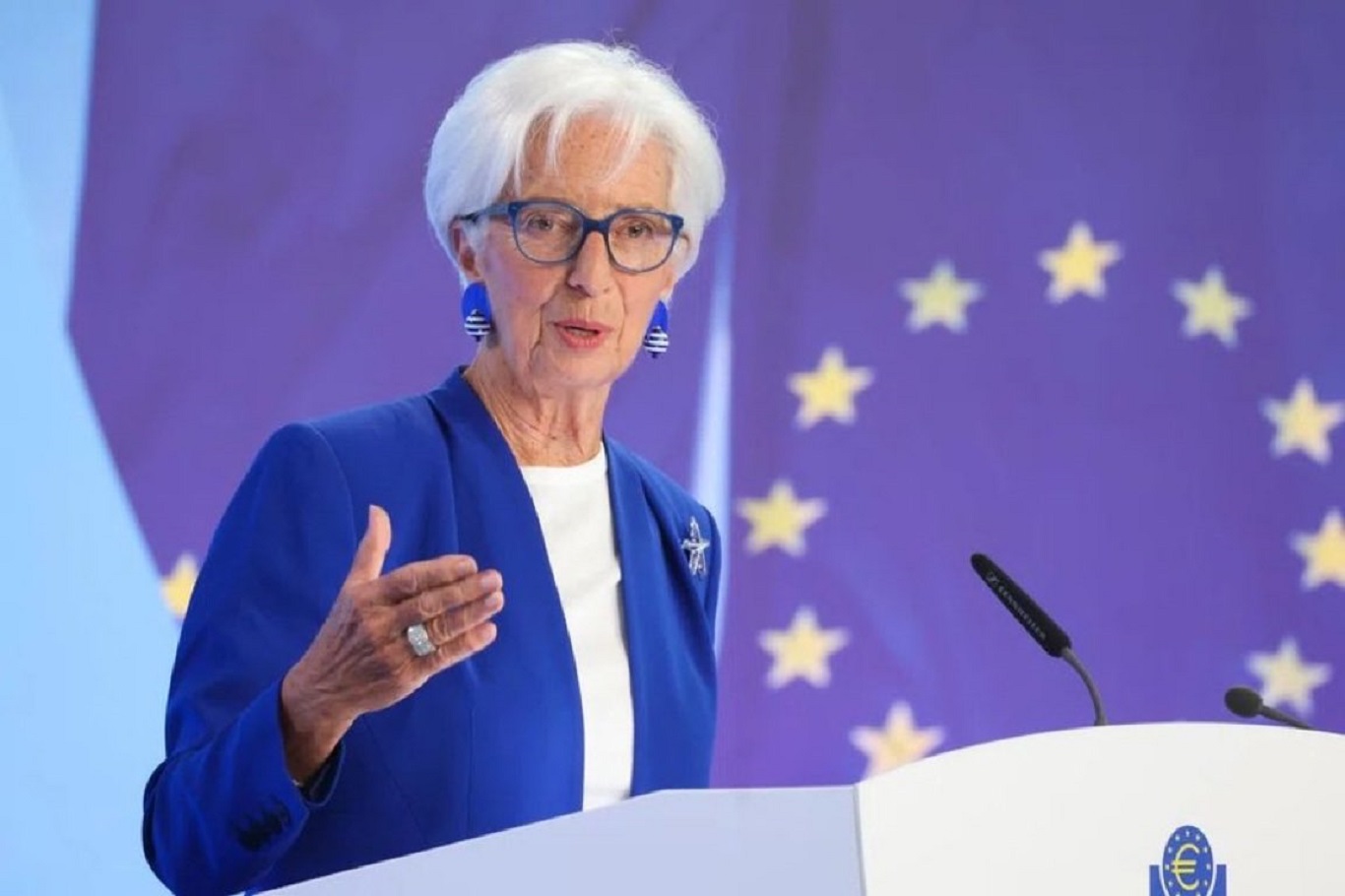
European Central Bank President Christine Lagarde will step down on February 7, 2027, the ECB announced Thursday, ending months of speculation about her future as Europe faces mounting economic uncertainty and political divisions.
Lagarde informed the ECB’s Governing Council and European Council President António Costa of her decision, the central bank said in a statement. Her eight-year term was originally scheduled to end in October 2027.
The early departure will give European Union leaders time to select a successor before France’s 2027 presidential election, in which far-right candidate Marine Le Pen has been polling strongly.
“I leave this institution with a sense of good work done and an ECB that is fit for the future,” Lagarde said in a short video shared on social media.
A source familiar with the matter said Lagarde wanted greater freedom to engage in political affairs in France and internationally. Remaining at the helm of the ECB would have required her to maintain political neutrality to protect the institution’s independence.
Costa said the process to appoint her successor would begin immediately. Former Dutch central bank governor Klaas Knot and former Spanish central bank chief Pablo Hernández de Cos are widely regarded as leading contenders for the position.
Financial markets showed limited reaction to the announcement, with analysts suggesting that the ECB’s institutional credibility and established monetary policy framework would largely endure beyond Lagarde’s departure.
“The ECB is now quite well established, the market is familiar with the way it operates,” said Simon Dangoor, Goldman Sachs’ head of fixed-income macro investing. He added that the institution’s conduct was likely to remain broadly similar regardless of who succeeded Lagarde.
The leadership change comes as the ECB faces significant economic challenges, including inflationary pressures linked to an oil-price shock associated with the conflict involving Iran and rising government bond yields across Europe.
France has been particularly affected by higher borrowing costs, raising concerns about economic growth and the financial pressures facing households, businesses and the government.
Lagarde, who took office in November 2019, has led the ECB through the COVID-19 pandemic, Russia’s war in Ukraine, an energy crisis and a sharp rise in inflation.
Her departure is expected to trigger negotiations among EU leaders over the future direction of the euro zone’s central bank, with the selection of her successor likely to carry both economic and political significance. (ILKHA)
LEGAL WARNING: All rights of the published news, photos and videos are reserved by İlke Haber Ajansı Basın Yayın San. Trade A.Ş. Under no circumstances can all or part of the news, photos and videos be used without a written contract or subscription.

Türkiye's gross domestic expenditure on research and development (R&D) increased by 328.6 billion Turkish liras year-on-year to reach 980.4 billion liras in 2025, while the share of R&D spending in the country's gross domestic product (GDP) rose to 1.55 per cent, according to the 2025 Research and Development Activities Survey released by the Turkish Statistical Institute (TurkStat).

Türkiye’s economic confidence index fell by 3.9% in October from the previous month to 97.3, the Turkish Statistical Institute (TurkStat) said on Friday.
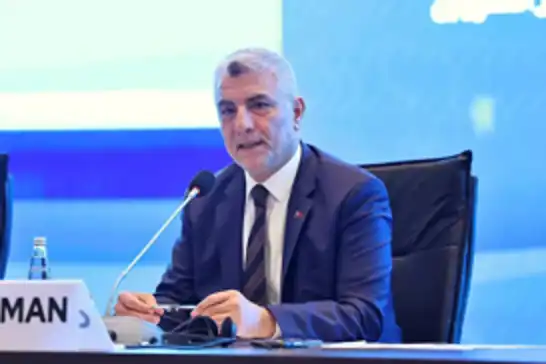
Türkiye's annualised goods and services exports reached $409.1 billion as of September, bringing the country closer to its $410 billion year-end target, Trade Minister Ömer Bolat announced.