Türkiye's oil production surges in Gabar Mountain, reaching 78,000 barrels daily
 13 oC
13 oC 
Güneşli

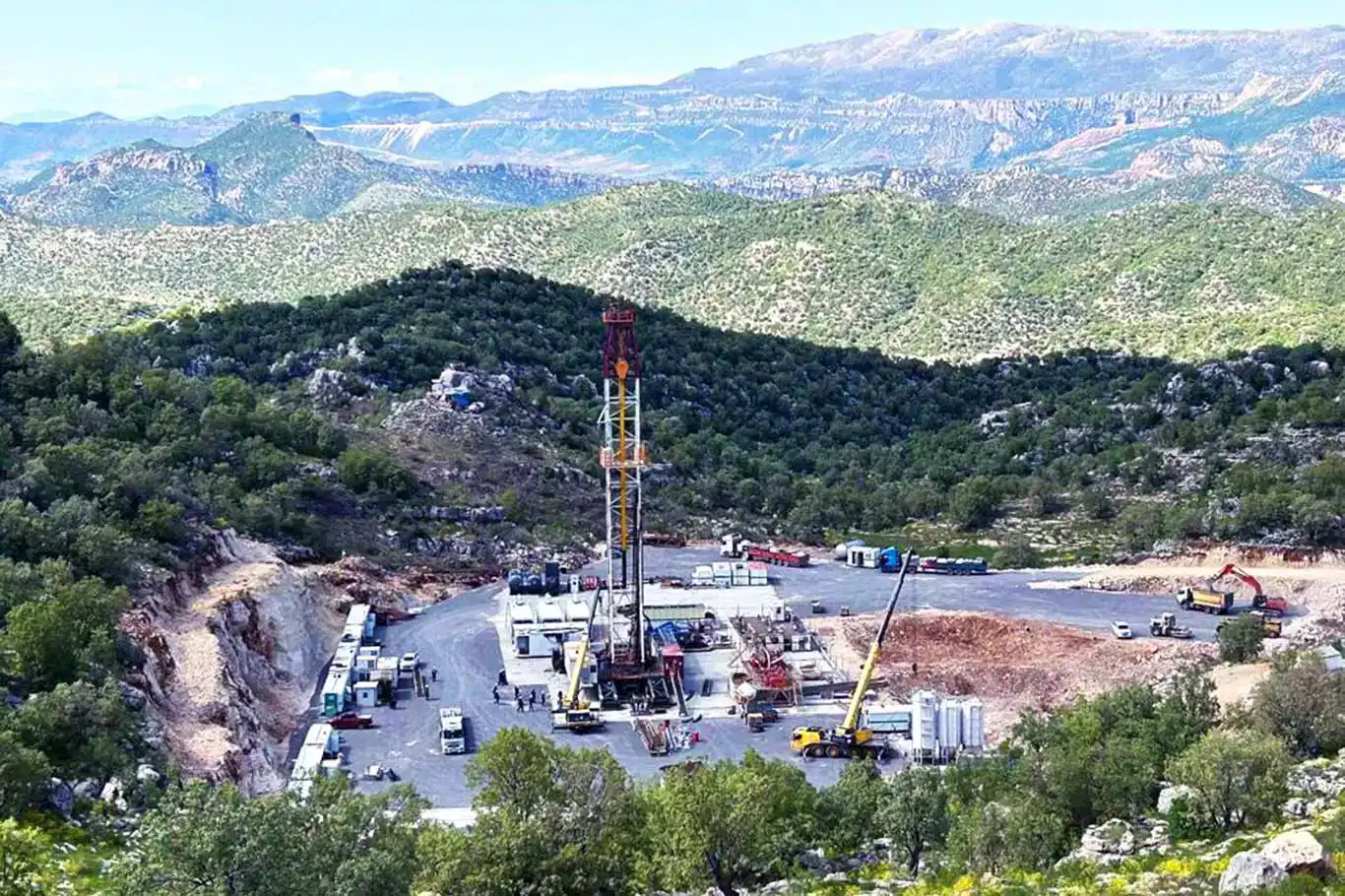
Türkiye's daily oil production at Gabar Mountain in Şırnak has reached 78,000 barrels, marking a significant milestone in the country's pursuit of energy independence, announced Minister of Energy and Natural Resources, Alparslan Bayraktar.
In a video message posted on X, Bayraktar struck an optimistic tone, saying: “Yesterday was darkness, today is light; yesterday was mourning, today is hope.” He described the oil operations at Gabar as “the symbol of a Türkiye without terrorism, a strong future, and energy independence.”
The minister revealed that production is underway across 95 wells, creating over 3,000 jobs and boosting opportunities for local communities in the region. The rise in output is part of Türkiye’s broader push to cut reliance on imported fossil fuels, a move expected to bolster both energy security and the national economy.
Bayraktar’s announcement underscores the strategic importance of Gabar Mountain, where oil extraction is transforming the landscape—both literally and figuratively—into a beacon of progress for Türkiye’s energy ambitions. (ILKHA)
LEGAL WARNING: All rights of the published news, photos and videos are reserved by İlke Haber Ajansı Basın Yayın San. Trade A.Ş. Under no circumstances can all or part of the news, photos and videos be used without a written contract or subscription.
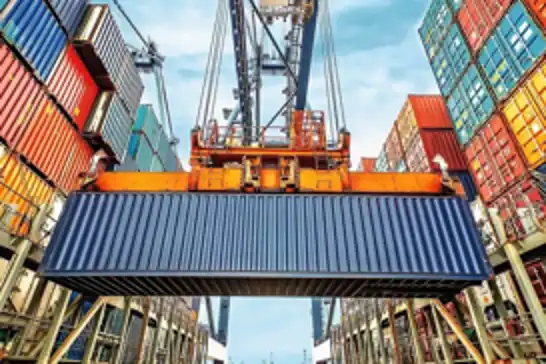
Türkiye's export performance continued to show resilience in April 2026, with export prices and volumes posting annual increases, while import volumes declined notably, according to the latest foreign trade indices released by the Turkish Statistical Institute (TurkStat).
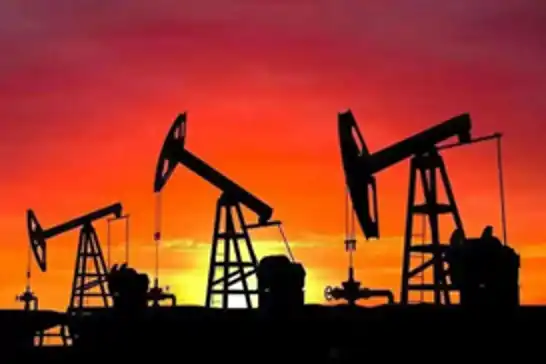
Oil prices fell significantly on Friday following optimistic comments from U.S. President Donald Trump, who stated that Washington has reached a framework agreement with Iran that could soon bring an end to the ongoing Middle East conflict.
The Monetary Policy Committee (MPC) of the Central Bank of the Republic of Türkiye (CBRT) decided on Thursday to maintain its key policy rate at 37 percent, leaving borrowing costs unchanged as it continues its tight monetary policy stance to combat inflation.
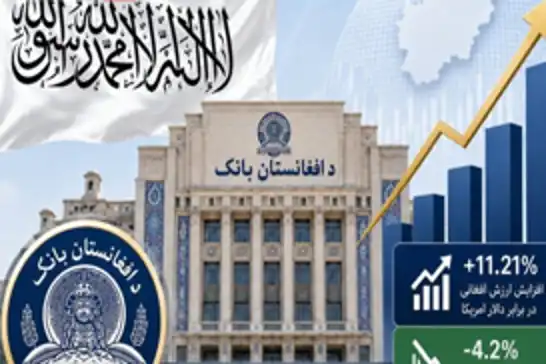
Afghanistan’s economy demonstrated notable resilience during the 2024–25 financial period, with official indicators showing an 11.21% appreciation of the national currency against the U.S. dollar alongside a 4.2% decline in consumer prices