US Fed eyes potential rate increase amid stubborn inflation pressures
 13 oC
13 oC 
Güneşli

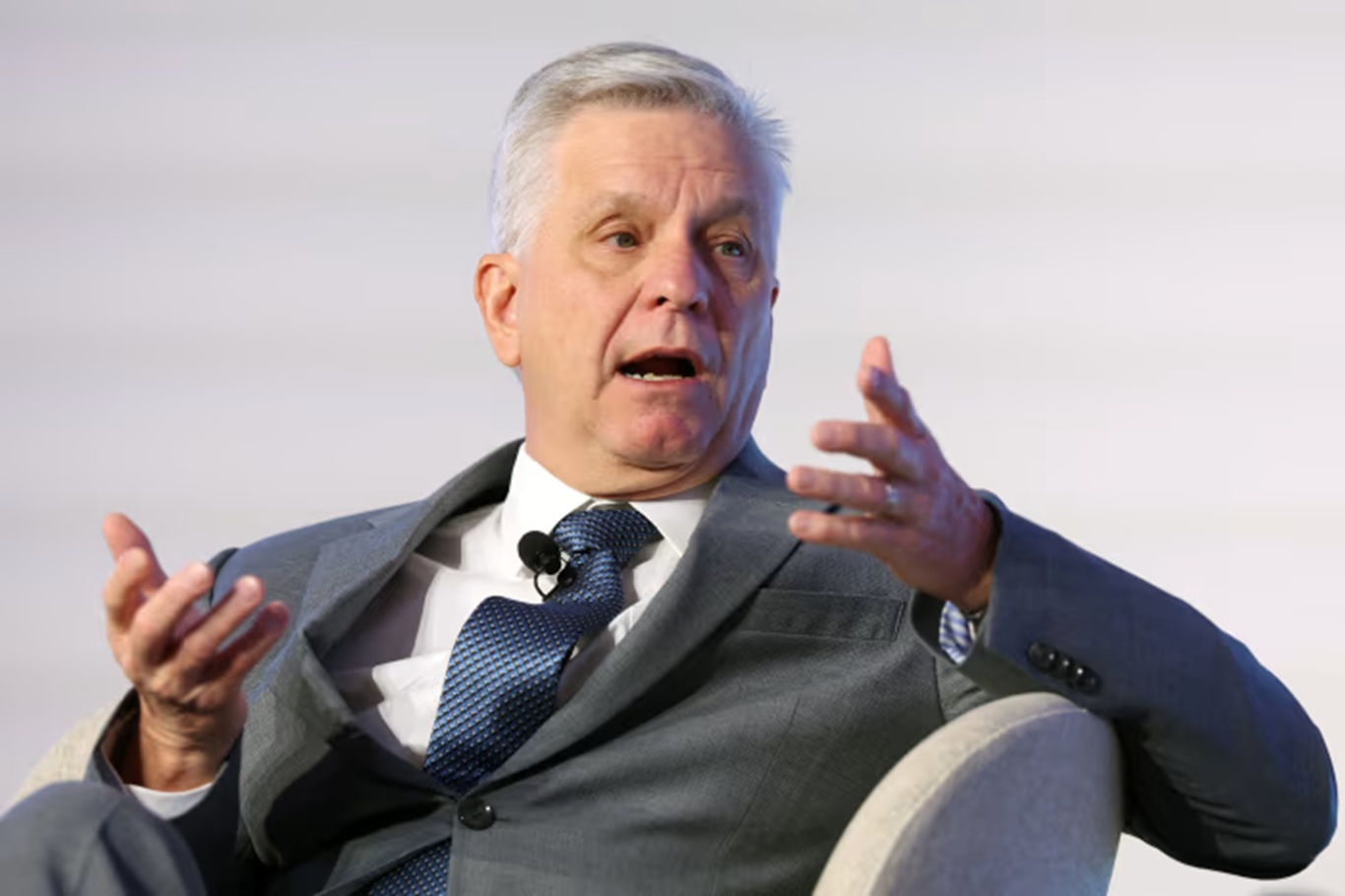
Federal Reserve Governor Christopher Waller has indicated that the US central bank may need to raise interest rates in the near term if upcoming economic data show inflation continuing to run well above the Federal Reserve's 2% target.
Speaking before the New York Association for Business Economics on Monday, Waller described US monetary policy as being at a "crossroads," emphasizing that future policy decisions will depend heavily on incoming inflation data, beginning with the latest Consumer Price Index (CPI) report.
Waller said the Federal Reserve should not become complacent if inflationary pressures persist, warning that policymakers must avoid repeating the mistakes made during the inflation surge of 2021 and 2022.
"The real side of the economy is in good shape," Waller said, noting that consumer spending and business investment have remained resilient despite higher costs stemming from tariffs and increased energy prices linked to the conflict in the Middle East. He also highlighted the continued strength of the labor market, with employment remaining close to the Federal Open Market Committee's maximum employment objective.
Despite these positive economic indicators, Waller expressed growing concern over the recent acceleration in inflation.
According to the governor, core inflation—which excludes volatile food and energy prices—has climbed steadily from 3% in December 2025 to 3.4% in May. He argued that inflation can no longer be attributed solely to temporary factors such as tariff increases or higher oil prices, raising questions about whether underlying price pressures are becoming more persistent.
"If this upward trend continues, it will be hard to push inflation back toward the Committee's 2% goal with monetary policy at its current setting," Waller said.
While acknowledging the risks posed by elevated inflation, Waller also cautioned against tightening monetary policy too aggressively, warning that excessive rate hikes could weaken the labor market and increase the likelihood of a recession.
He noted that today's economic environment differs significantly from that of 2022, pointing to a more balanced labor market and inflation expectations that remain relatively well anchored near the Fed's long-term target.
Recent employment data, he said, continue to reflect a healthy labor market despite some moderation in hiring. Over the past three months, the US economy has added an average of 111,000 jobs per month, a pace Waller described as consistent with stable employment conditions.
Consumer spending has also remained resilient, supported by easing energy prices and continued investment in artificial intelligence technologies, which Waller expects will remain a major driver of business investment over the coming year.
However, he warned that several factors continue to pose upside risks to inflation, including tariffs, energy market volatility, and strong demand associated with the rapid expansion of AI-related industries.
Price increases for semiconductors, computer chips, servers, and other technology components used in AI infrastructure could contribute to broader inflationary pressures if supply shortages persist, Waller said.
Although falling oil prices are expected to ease headline inflation in the coming months, Waller stressed that policymakers will focus primarily on core inflation, which provides a clearer picture of underlying price trends.
The Federal Reserve will closely monitor this week's CPI and producer price data before determining whether additional monetary tightening may be necessary.
"If we get another hot reading on core inflation this week, then the FOMC will need to consider tightening monetary policy in the near term," Waller said.
He concluded by emphasizing that the Federal Reserve remains committed to restoring inflation to its 2% target while carefully balancing the risks of persistent inflation against the possibility of slowing economic growth. (ILKHA)
LEGAL WARNING: All rights of the published news, photos and videos are reserved by İlke Haber Ajansı Basın Yayın San. Trade A.Ş. Under no circumstances can all or part of the news, photos and videos be used without a written contract or subscription.
Brent crude oil rose above $85 a barrel on Tuesday, reaching its highest level in a month as escalating geopolitical tensions in the Middle East heightened concerns over potential disruptions to global oil supplies.

Türkiye's exports to the European Union increased by 4.7% year-on-year to $54.5 billion during the first half of the year, driven by European countries' efforts to relocate supply chains to more reliable and geographically closer partners amid heightened instability in the Middle East.

Türkiye's retail sector maintained strong annual growth in May 2026, even as overall trade sales volume posted a year-on-year decline, the Turkish Statistical Institute (TurkStat) said in a statement on Monday.