1 in 8 babies in Türkiye arrive early—Here’s why immediate care saves lives
 13 oC

Güneşli

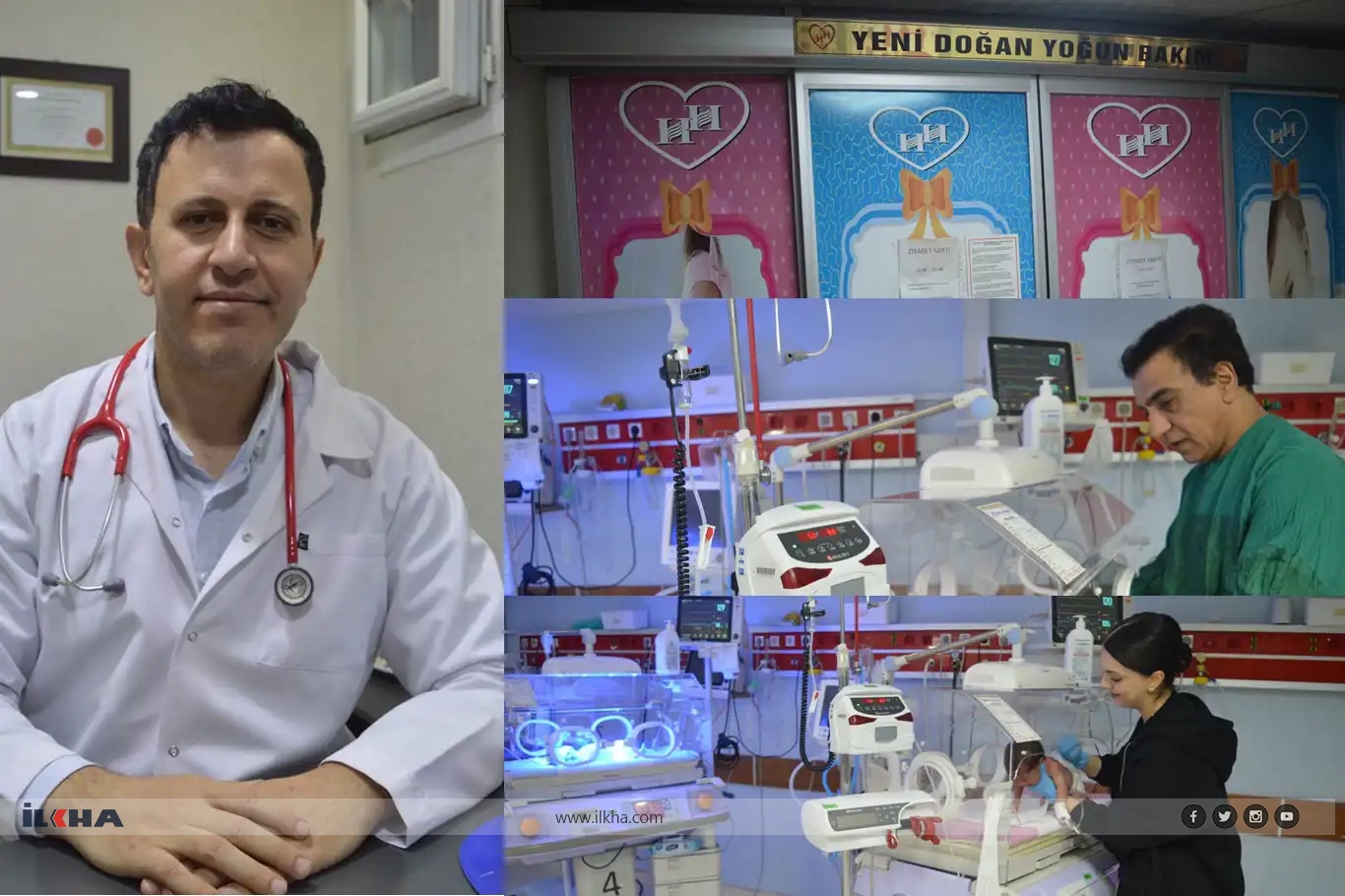
A child health and diseases specialist stated that 12 per cent of babies in Türkiye are born prematurely, emphasizing that delivery at the right medical center, timely intervention and regular follow-up are crucial for premature infants.
Worldwide, one in every 10 babies is born prematurely, while this rate rises to one in every 8 babies in Türkiye. The survival and healthy development of premature babies depend greatly on the week of birth, the facilities of the hospital where they are delivered and the care provided after birth.
Speaking on the occasion of World Prematurity Day, Child Health and Diseases Specialist Dr. Abdulhakim Güneş highlighted the risks faced by premature babies, treatment processes and the responsibilities of families during the follow-up period.
"One in every 8 babies in Türkiye is born prematurely"
Güneş stated that the premature birth rate in Türkiye is above the global average and said that premature babies require close monitoring not only during intensive care but also after discharge.
"Globally, the average rate of premature births, meaning births before 37 completed weeks of pregnancy, is around 10 per cent. In Türkiye, we can say that this rate is slightly higher. Babies born before completing 37 weeks of pregnancy, including 36 weeks and 6 days, are considered premature. The care and follow-up processes of premature babies are different from those of other babies, and they face specific risks," he said.
Explaining that premature birth may occur due to various reasons, Güneş noted that maternal health problems such as pregnancy-related hypertension and diabetes, early onset of labour, placental problems, bleeding and developmental issues in the baby can lead to premature delivery.
He added that advances in medicine have increased both the number of premature babies surviving and the survival rates of babies born at very early stages.
"A decrease in the baby's movements requires urgent medical attention"
Güneş warned that some symptoms during pregnancy should not be ignored.
"Reduced fetal movements, bleeding in the early period, signs of infection in the mother, high blood pressure or pregnancy-related hypertension require immediate medical evaluation," he said.
Pointing out that the baby's gestational age is one of the most important factors determining treatment and follow-up, Güneş said babies born after 36 weeks may sometimes not require hospitalization, while those born before 32 weeks need more advanced care.
"Thirty-two weeks is an important threshold for us. Babies born before 32 weeks must definitely be monitored in advanced medical centers. It is important that they are followed in facilities where possible complications can be detected and treated," he stated.
Güneş explained that some premature babies may need to stay in hospital for long periods, sometimes reaching 100 or even 150 days, depending on their birth week and health condition.
Weight and general health also affect follow-up
Güneş noted that not only the birth week but also the baby's weight and overall health condition are considered when deciding whether a premature baby can stay with the mother.
"In our clinic, we can allow some babies born at 34 weeks or later to stay with their mothers. Another important factor here is the baby's weight. We prefer to monitor babies below 1,800-2,000 grams even if they do not have breathing problems, because they may lose weight quickly or their health condition may deteriorate," he said.
He added that babies weighing over 2 kilograms, who can feed properly and breathe comfortably, can often be followed together with their mothers without requiring intensive care.
Premature babies may face eye and heart problems
Güneş stated that premature babies may encounter certain health problems depending on their birth week.
"Premature babies may have slower height and weight development compared to their peers. They may experience vision problems such as myopia or hyperopia. In some cases, although not common, heart problems may occur. Some babies may also experience issues related to brain bleeding and require neurological follow-up," he said.
"Today, even babies born at 26 weeks have a high chance of survival"
Emphasizing the progress made in neonatal medicine, Güneş said that babies born at very early stages now have much higher survival chances compared to the past.
"In the past, there was a belief that premature babies receiving intensive care would either not survive or would have disabilities. Today, babies born as early as 28 or even 26 weeks have a high chance of survival," he stated.
"The baby should be born in a suitable hospital"
Güneş stressed that receiving proper medical care from the moment of birth is vital for premature babies.
"First of all, it is important that the baby is born in a hospital suitable for its needs. Because after birth, transferring a baby by ambulance creates additional risks. A team capable of immediately intervening when the baby is born must be present," he said.
He emphasized that protecting the baby's body temperature, avoiding unnecessary movement and preventing infections are among the factors that increase the chance of survival.
Güneş also highlighted the importance of breast milk, stating that it provides protective benefits and contributes directly to the baby's survival.
"Kangaroo care benefits both babies and mothers"
Explaining the importance of kangaroo care, Güneş said skin-to-skin contact provides benefits for both premature babies and mothers.
"Kangaroo care is very important for us. It contributes to the baby's later development and emotional well-being, while also reducing the mother's anxiety and increasing the possibility of breast milk production," he said.
He added that premature babies require specific examinations and follow-up procedures, including eye examinations for retinopathy of prematurity (ROP), heart evaluations and monitoring of neurological development.
"Not every premature baby will experience health problems"
Güneş stressed that being born prematurely does not necessarily mean a baby will face lifelong health problems.
"When discussing a premature baby, we need to know how many weeks the baby was born, how long they stayed in intensive care and what kind of treatment they received. A baby born at 34 weeks who did not require intensive care or had a short hospital stay is not expected to have serious problems in the future," he said.
However, he noted that babies who experience severe or prolonged intensive care may face developmental delays, speech difficulties, walking problems or muscle weakness.
"Follow-up should not be neglected after discharge"
Güneş warned families not to stop medical follow-ups after taking their babies home.
"One of the biggest mistakes families make is thinking that their baby has completely recovered after discharge. Although the baby may appear normal, necessary examinations and follow-ups must continue," he said.
He stressed that early diagnosis of possible problems is only possible through regular medical checks.
Güneş also advised families to protect premature babies from infections, pay attention to nutrition and complete recommended preventive vaccinations.
"Families with premature babies should not lose hope. If your baby was not born before 28 weeks, you should not become overly worried. With regular follow-up and proper care, many premature babies can continue their lives in a healthy way," he concluded. (ILKHA)
LEGAL WARNING: All rights of the published news, photos and videos are reserved by İlke Haber Ajansı Basın Yayın San. Trade A.Ş. Under no circumstances can all or part of the news, photos and videos be used without a written contract or subscription.

The World Health Organization (WHO) has warned that major gaps in diagnosis, treatment and funding continue to put patients at risk from antimicrobial resistance (AMR), despite a growing number of countries adopting national action plans to tackle the threat.
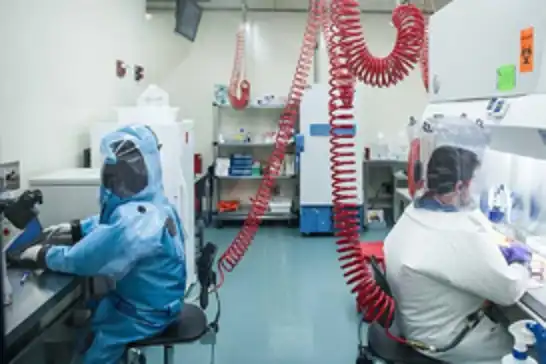
The number of Ebola infections in the Democratic Republic of the Congo (DRC) has exceeded 11,000, with the death toll climbing to 5,387, according to the country's Health Ministry.
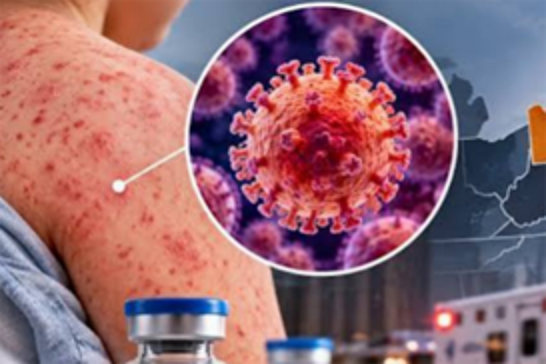
The number of measles cases in the United States has surpassed 5,000 this year, reaching its highest level in 35 years, as outbreaks continue to spread across the country and health officials report additional deaths.