Chandipura virus kills 22 children in western India
 13 oC
13 oC 
Güneşli

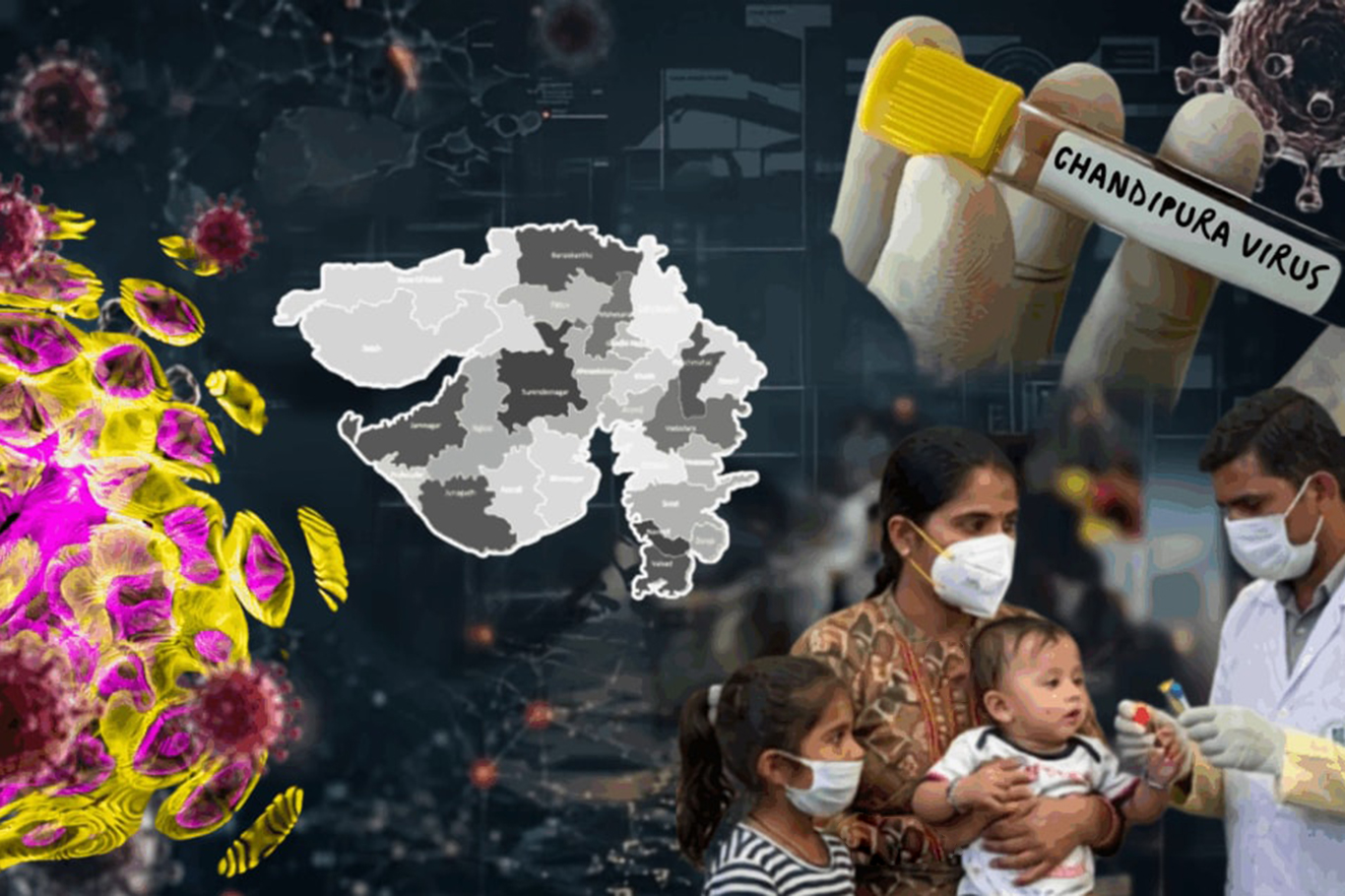
India has deployed a National Joint Outbreak Response Team (NJORT) to assist health authorities in containing a deadly outbreak of the Chandipura virus (CHPV) after the disease claimed the lives of 22 children and spread across parts of the western states of Gujarat and Rajasthan.
The Union Health Ministry announced on Wednesday that the specialized response team has been dispatched to strengthen surveillance, support epidemiological investigations, improve diagnostics, and coordinate disease-control measures in the affected regions.
The Chandipura virus, which primarily affects children, is transmitted by sandflies and may also be spread by mosquitoes and ticks, according to the World Health Organization (WHO). Infection can rapidly progress to acute encephalitis, a severe inflammation of the brain that can become fatal if not treated promptly.
Gujarat Records Highest Number of Cases
Gujarat has emerged as the epicenter of the current outbreak.
State Health Minister Praful Pansheriya said blood samples from 184 suspected patients had been tested, with 35 confirmed positive for the virus. The outbreak has resulted in the deaths of 22 children, all reportedly under the age of 15.
Health authorities said cases have been reported from multiple districts rather than being concentrated in a single location, prompting intensified surveillance and vector-control operations across affected communities.
Neighboring Rajasthan has also reported infections, including two child fatalities linked to the virus, leading authorities to heighten monitoring in districts bordering Gujarat.
Intensive Containment Measures Underway
The central response team is working alongside state governments to investigate the outbreak, identify transmission patterns, and prevent further spread.
Authorities have intensified door-to-door surveillance, insecticide spraying, vector-control campaigns, and public awareness initiatives while urging parents to seek immediate medical attention if children develop symptoms such as sudden fever, vomiting, seizures, altered consciousness, or other neurological signs.
Hospitals in affected districts have also increased preparedness, with critically ill patients receiving intensive care, including ventilator support where necessary.
No Vaccine or Specific Treatment
Health experts warn that the Chandipura virus progresses rapidly, making early diagnosis and supportive medical care essential for improving survival.
There is currently no approved vaccine or specific antiviral treatment for the disease. Medical management focuses on supportive care, while prevention relies on reducing exposure to insect vectors through the use of repellents, protective clothing, insecticide spraying, and eliminating breeding sites.
The WHO has previously identified Chandipura virus as an endemic disease in parts of western, central, and southern India, with outbreaks typically occurring during the monsoon season, when sandfly populations increase. The organization has emphasized that the virus is not known to spread from person to person, with transmission occurring primarily through infected insect vectors.
Indian health authorities said surveillance and containment operations will continue in the coming weeks as officials seek to prevent additional infections during the peak monsoon period. (ILKHA)
LEGAL WARNING: All rights of the published news, photos and videos are reserved by İlke Haber Ajansı Basın Yayın San. Trade A.Ş. Under no circumstances can all or part of the news, photos and videos be used without a written contract or subscription.
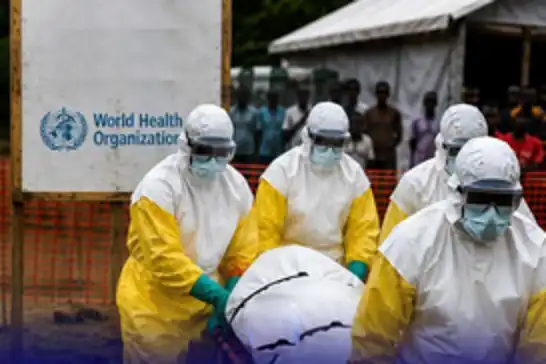
The ongoing Ebola outbreak in the Democratic Republic of the Congo (DRC) is severely disrupting essential healthcare services for children and women, with new data showing a sharp decline in vaccinations, maternal care, and routine medical treatment as fear of infection and strained health services keep families away from clinics.

Australian authorities have confirmed the country's first mass mortality event among wild birds caused by the highly pathogenic H5 avian influenza virus, marking a significant escalation in the spread of the disease across the nation's wildlife.
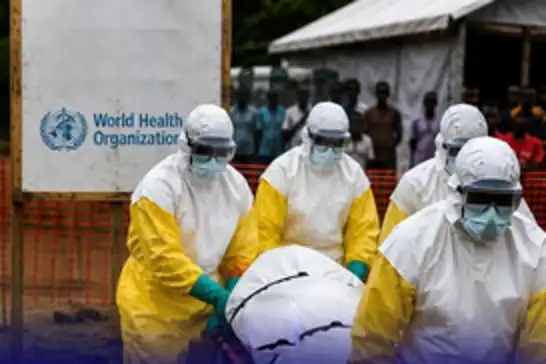
The Democratic Republic of the Congo (DRC) is facing the largest Ebola outbreak ever recorded in the country's history, with more than 3,600 confirmed infections and nearly 1,600 deaths, as health authorities and the World Health Organization (WHO) intensify efforts to contain the rapidly spreading virus.