Ebola outbreak in DR Congo becomes country’s largest ever as cases surge past 3,600
 13 oC
13 oC 
Güneşli

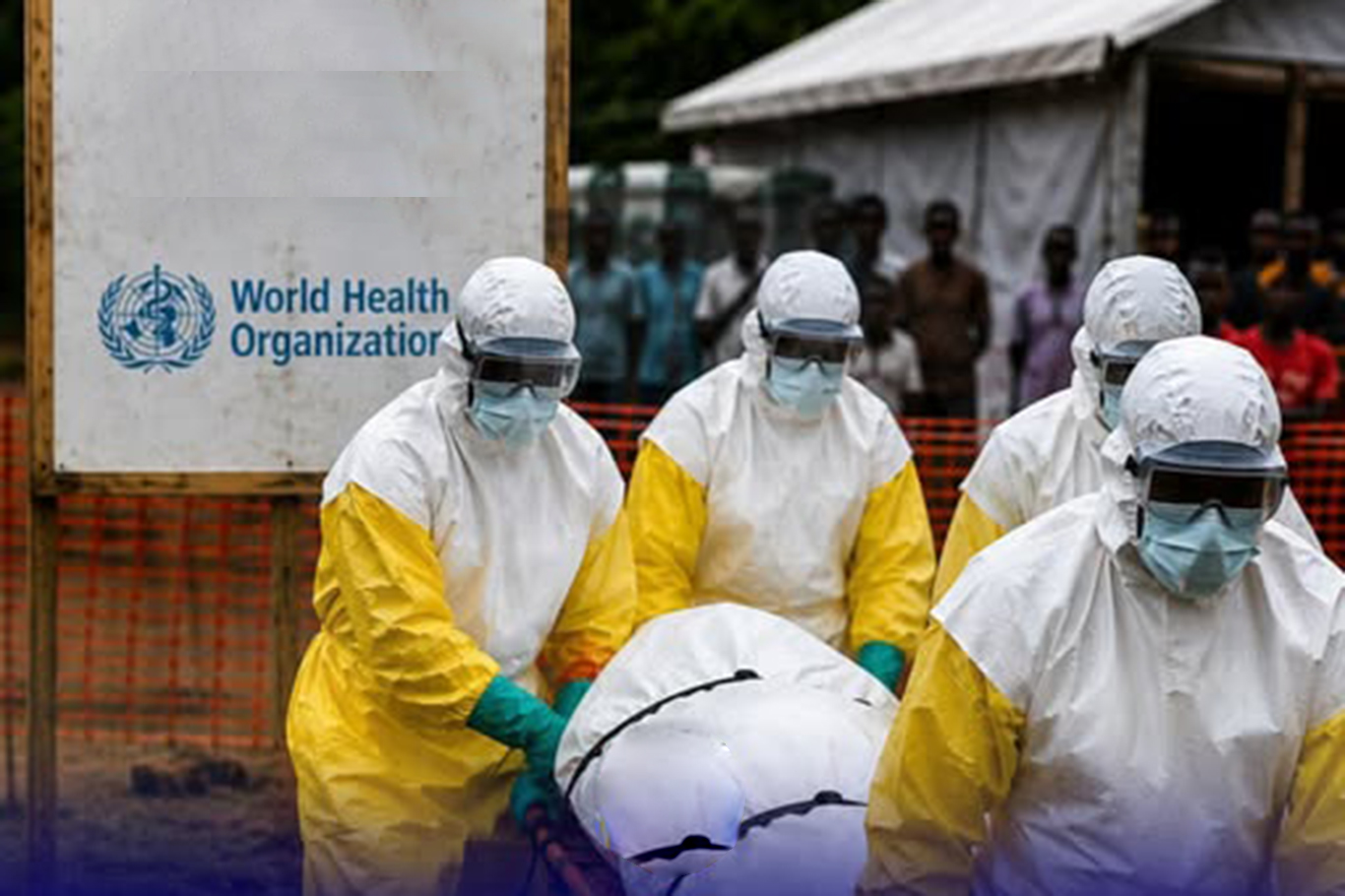
The Democratic Republic of the Congo (DRC) is facing the largest Ebola outbreak ever recorded in the country's history, with more than 3,600 confirmed infections and nearly 1,600 deaths, as health authorities and the World Health Organization (WHO) intensify efforts to contain the rapidly spreading virus.
According to the latest epidemiological update, the outbreak of Bundibugyo virus disease (BVD)—one of the species of the Ebola virus—had reached 3,605 confirmed cases and 1,587 deaths as of July 30, representing a case fatality rate of approximately 44 percent.
What began as a localized outbreak in the Mongbwalu health zone of Ituri Province has expanded dramatically over the past two months, spreading to 49 health zones across five provinces: Ituri, North Kivu, South Kivu, Haut-Uélé, and Tshopo.
Health officials reported 567 new confirmed infections and 296 deaths during the latest complete reporting week, marking the highest weekly increase since the outbreak began and underscoring the accelerating pace of transmission.
Ituri Remains the Epicenter
Ituri Province continues to bear the brunt of the epidemic, accounting for nearly 88 percent of all confirmed cases and more than 82 percent of reported deaths.
The hardest-hit areas include Bunia, Rwampara, and Mongbwalu, where healthcare facilities remain under intense pressure as medical teams struggle to keep pace with the growing number of patients.
Healthcare workers have also been significantly affected by the outbreak. Authorities have confirmed 151 infections and 44 deaths among medical personnel, highlighting persistent challenges in infection prevention and control within healthcare settings.
Conflict and Displacement Hampering Response
The outbreak is unfolding amid ongoing armed conflict, population displacement, and insecurity in eastern DRC, conditions that continue to complicate containment efforts.
Health officials say attacks on medical facilities, restrictions on humanitarian access, and frequent population movement are making surveillance, contact tracing, and treatment operations increasingly difficult while raising concerns over possible cross-border transmission.
WHO, Government Expand Emergency Response
The Congolese government, working alongside the World Health Organization and international partners, has intensified emergency response operations under a regional preparedness and response plan.
Current measures include expanded disease surveillance, laboratory testing, contact tracing, clinical treatment, infection prevention, safe and dignified burials, and community awareness campaigns designed to reduce transmission.
Despite these efforts, WHO has warned that a significant expansion of response activities remains urgently necessary to bring the outbreak under control.
Uganda Ends Domestic Outbreak but Remains on Alert
In neighboring Uganda, the Ministry of Health officially declared an end to its Bundibugyo virus disease outbreak on July 28 after completing 42 consecutive days without a locally transmitted case.
Uganda recorded 20 confirmed cases and two deaths during its outbreak. However, authorities continue to maintain heightened surveillance because of the ongoing transmission in the neighboring Democratic Republic of the Congo.
Across both countries, health authorities have documented 3,626 confirmed infections and 1,589 deaths, while 651 patients in the DRC and 18 in Uganda have recovered from the disease.
No Approved Vaccine Available
Bundibugyo virus disease is caused by one of the Ebola virus species and spreads through direct contact with the blood or bodily fluids of infected individuals or contaminated materials.
Unlike the more common Zaire strain of Ebola, there are currently no approved vaccines or specific antiviral treatments for Bundibugyo virus disease. As a result, health experts stress that early detection, patient isolation, supportive medical care, contact tracing, infection prevention measures, and safe burial practices remain the most effective tools for limiting transmission.
WHO Maintains High-Risk Assessment
The World Health Organization continues to classify the public health risk as very high within the Democratic Republic of the Congo, high for Uganda and neighboring countries, and low at the regional and global levels.
The agency has not recommended restrictions on international travel or trade with affected countries but has urged neighboring states to strengthen surveillance systems, improve border screening, and maintain preparedness for potential imported cases.
WHO is expected to present an updated risk assessment ahead of an International Health Regulations (IHR) Emergency Committee meeting scheduled for Aug. 18, where experts will review the evolving situation and determine whether additional international measures are warranted. (ILKHA)
LEGAL WARNING: All rights of the published news, photos and videos are reserved by İlke Haber Ajansı Basın Yayın San. Trade A.Ş. Under no circumstances can all or part of the news, photos and videos be used without a written contract or subscription.

The United Kingdom is on course to record its highest number of heat-related deaths since official records began, following a series of unprecedented heatwaves that have swept across the country this summer, according to preliminary estimates released by the UK Health Security Agency (UKHSA).
Life expectancy at birth in Türkiye has increased to 78.5 years in the 2023–2025 period, up from 78.1 years recorded in 2022–2024, according to data released on Wednesday by the Turkish Statistical Institute (TurkStat).

A cholera outbreak in Nigeria's Plateau State has infected approximately 441 people and claimed 14 lives across four local government areas, state health authorities said.