Deadly cholera outbreak claims more than 100 lives in Sudan as conflict hampers aid delivery
 13 oC
13 oC 
Güneşli

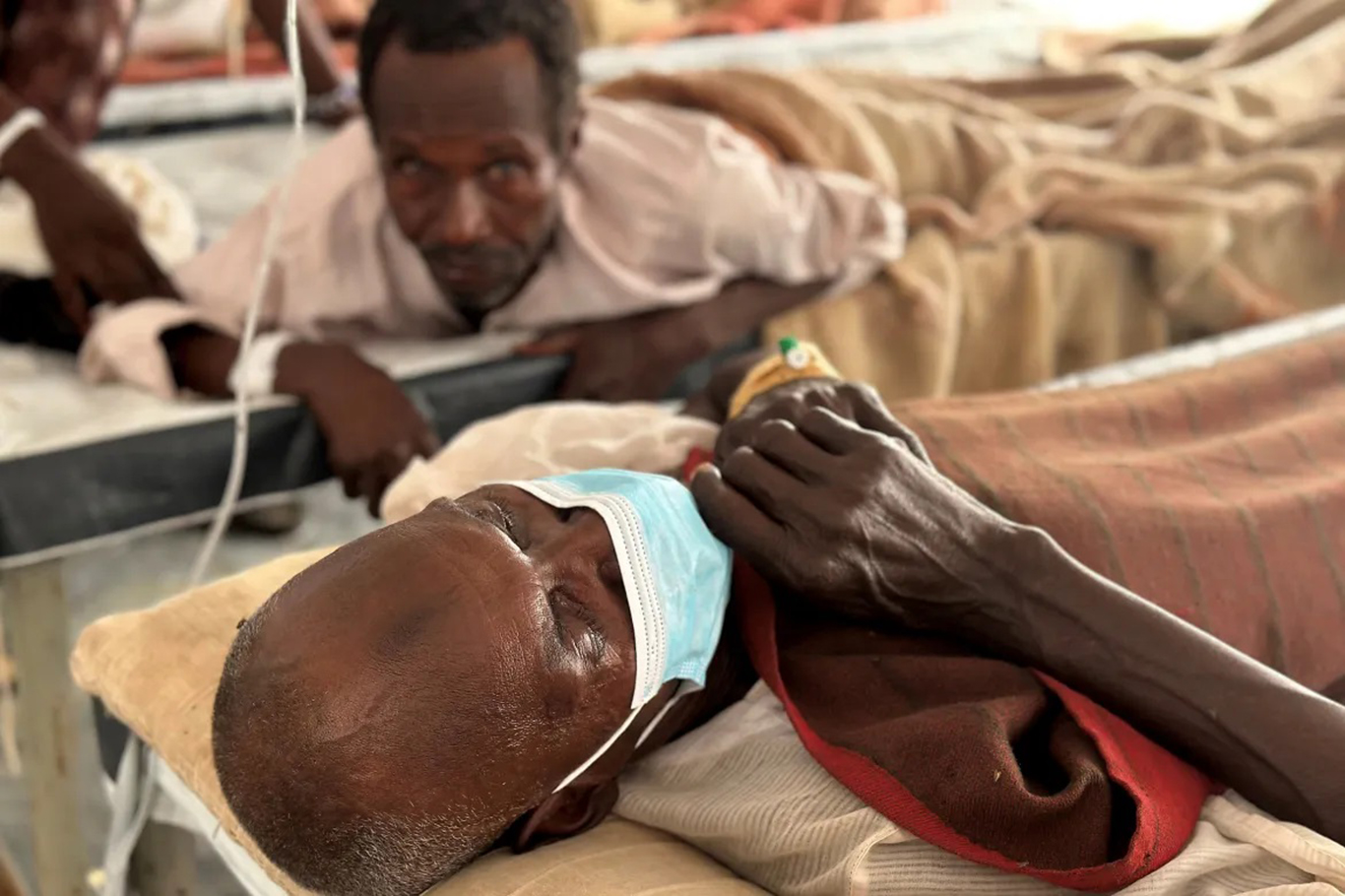
A rapidly spreading cholera outbreak has claimed more than 100 lives in war-ravaged Sudan, raising fears of a wider public health emergency as ongoing fighting continues to obstruct humanitarian access and strain an already collapsing healthcare system, the World Health Organization (WHO) has warned.
Speaking at a press briefing in Geneva, WHO Representative to Sudan Dr. Shible Sahbani said the latest outbreak has spread across several states, particularly in the conflict-affected Darfur and Kordofan regions, where deteriorating security conditions have severely limited access to healthcare and humanitarian assistance.
"Cholera is back, and it is affecting several states, mainly in the western part of the country, the Darfurs and the Kordofans," Dr. Sahbani said.
According to WHO, Sudan has recorded more than 1,330 confirmed cholera cases and 114 deaths, although health officials believe the actual toll is likely much higher due to limited surveillance and restricted access to affected communities.
The outbreak has emerged amid one of the world's worst humanitarian crises, with millions of people displaced by the conflict between the Sudanese Armed Forces (SAF) and the paramilitary Rapid Support Forces (RSF), which has raged since April 2023.
Health officials warned that the cholera fatality rate has already reached an alarming 13.7 percent, reflecting the severe challenges facing Sudan's healthcare system. The situation is expected to worsen with the arrival of the rainy season, which could accelerate the spread of waterborne diseases.
The central state of North Kordofan, particularly the city of El-Obeid, has become a growing source of concern. The city remains under constant pressure from continued drone attacks and ongoing hostilities, severely restricting humanitarian operations and limiting access to medical care.
"We are particularly concerned about the spread of cholera to El-Obeid, where access is very limited and the fragile health system is under increasing strain," Dr. Sahbani said. "Health facilities are overwhelmed, and access to care is extremely limited."
Sudan's humanitarian crisis continues to deepen, with more than 33 million people requiring humanitarian assistance, including 21 million in urgent need of healthcare services.
Although some displaced families have begun returning to relatively safer areas, including parts of the capital, Khartoum, WHO estimates that 13.4 million people remain displaced, including approximately nine million internally displaced persons and 4.6 million refugees who have fled to neighboring countries.
In addition to cholera, Sudan is battling multiple concurrent disease outbreaks, including dengue fever, malaria, meningitis, hepatitis E, and measles, placing further pressure on an already overstretched health sector.
WHO has pre-positioned emergency medical supplies capable of assisting more than 25,000 people in El-Obeid, but officials acknowledged that current stockpiles are far from sufficient to meet growing needs.
Earlier this week, the UN agency delivered 8.5 metric tons of medical supplies to Kadugli and Dilling in South Kordofan as part of a joint humanitarian convoy. The shipment marked the first WHO delivery to Kadugli since December 2024 after months of access restrictions caused by the conflict.
WHO also renewed its appeal for safe and unhindered humanitarian access to affected areas and called on international donors to increase financial and logistical support for relief operations.
"We call on our partners and donors to help us gain access and deliver sufficient medical supplies and assistance to El-Obeid," Dr. Sahbani said. "The situation is extremely serious and continues to deteriorate, with rising risks of disease outbreaks, malnutrition, violence, and abuse, particularly against women and children."
Humanitarian agencies continue to warn that without an immediate expansion of aid access and sustained international support, Sudan's worsening conflict and deteriorating public health conditions could trigger an even larger humanitarian catastrophe in the months ahead. (ILKHA)
LEGAL WARNING: All rights of the published news, photos and videos are reserved by İlke Haber Ajansı Basın Yayın San. Trade A.Ş. Under no circumstances can all or part of the news, photos and videos be used without a written contract or subscription.
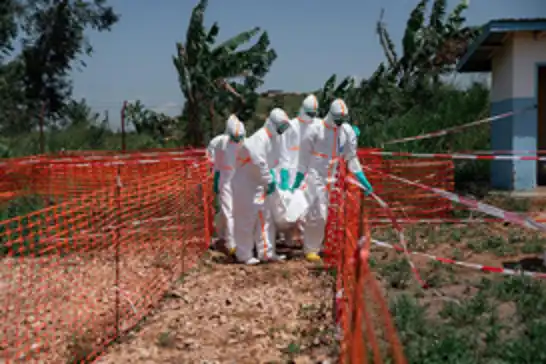
The Ebola outbreak caused by the Bundibugyo virus continues to affect the Democratic Republic of the Congo (DRC) and Uganda, with the number of confirmed infections in the DRC approaching 1,800, according to the latest health update issued on Friday.
Türkiye ranked as the world's 18th most populous country in 2025, accounting for 1.0% of the global population, according to data released by the Turkish Statistical Institute (TurkStat) on Thursday to mark World Population Day.
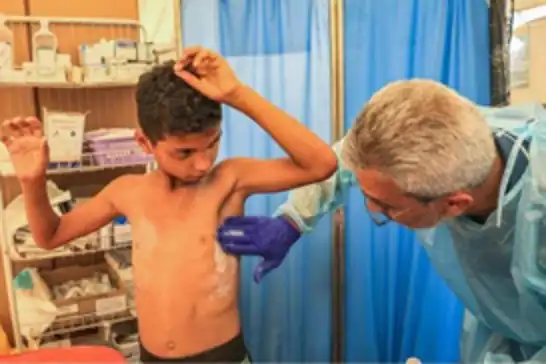
The United Nations has warned of a sharp increase in chickenpox cases across the Gaza Strip, attributing the surge to worsening humanitarian conditions, severe overcrowding, and deteriorating sanitation in displacement sites.