Türkiye ranks 18th globally in population as world reaches 8.23 billion: TurkStat
 13 oC
13 oC 
Güneşli

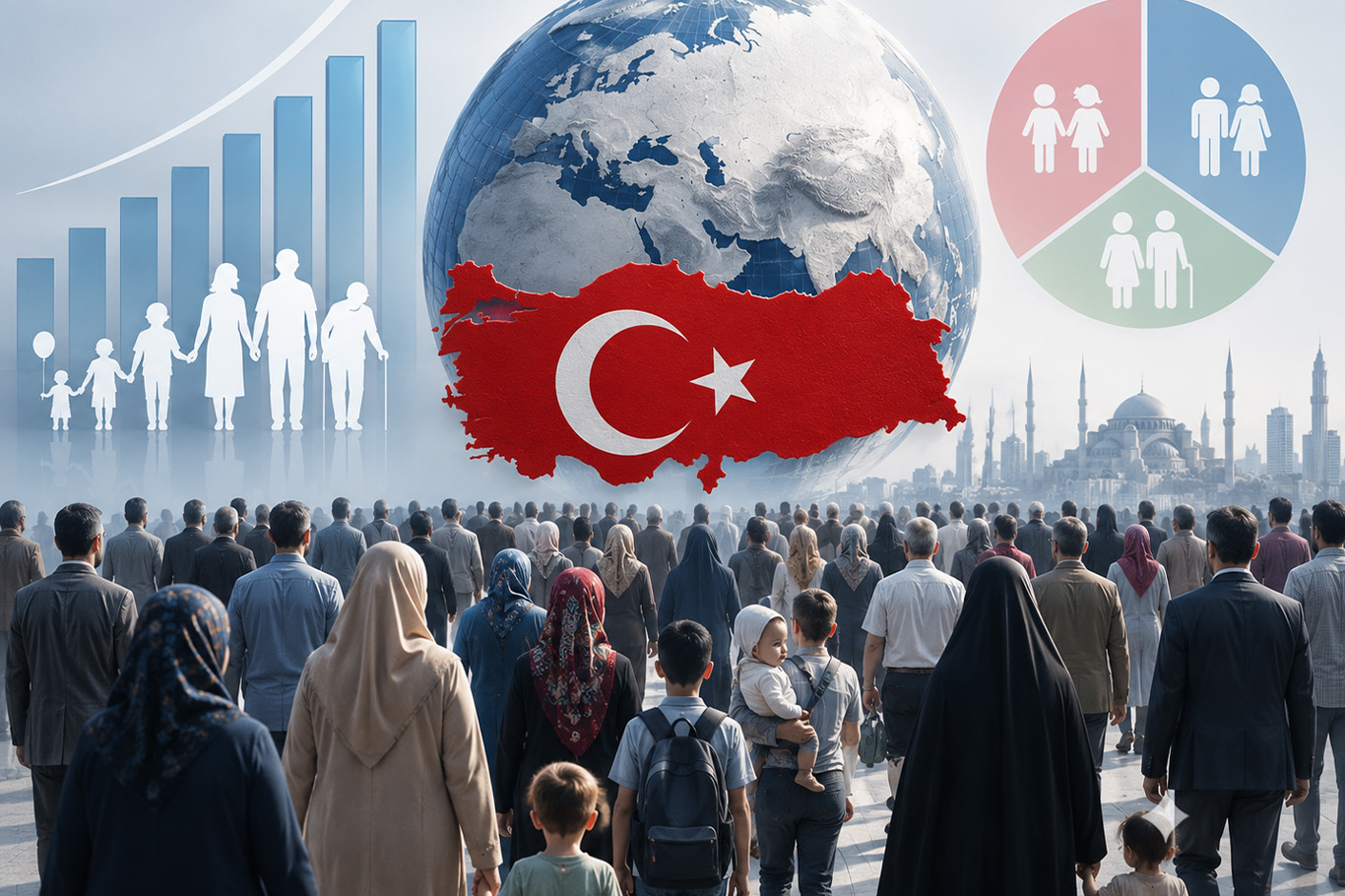
Türkiye ranked as the world's 18th most populous country in 2025, accounting for 1.0% of the global population, according to data released by the Turkish Statistical Institute (TurkStat) on Thursday to mark World Population Day.
Based on the latest United Nations population estimates, the world's mid-year population reached 8.231 billion in 2025, continuing a decades-long upward trend after surpassing 8 billion in 2022. World Population Day, observed annually on July 11, was established by the United Nations Development Programme (UNDP) in 1989 following the world's population reaching 5 billion in 1987.
According to the estimates, India remains the world's most populous nation with approximately 1.464 billion people, followed by China with 1.416 billion and the United States with 347.3 million. Together, the three countries account for nearly 39.2% of the global population.
Türkiye's population stood at 86.09 million, placing it 18th among 194 countries worldwide.
Türkiye's child population remains above EU average
The report found that children aged 0–17 make up 24.8% of Türkiye's population, below the global average of 29.3% but higher than every member state of the European Union.
The Central African Republic recorded the world's highest proportion of children at 56.2%, followed by Niger and Somalia, while South Korea had the lowest share at 12.9%. Within the EU, Ireland had the highest child population ratio at 22.3%, still below Türkiye's level.
Youth share lower than world average but exceeds EU
Young people aged 15–24 accounted for 14.8% of Türkiye's population in 2025, slightly below the global average of 15.6% but above the average across the 27 EU member states.
South Sudan recorded the highest proportion of youth population at 23.3%, followed by Syria and the Central African Republic, while Monaco registered the lowest share.
Türkiye's population continues to age
The proportion of people aged 65 and over in Türkiye reached 11.1%, placing it just above the global average of 10.4%, reflecting the country's continuing demographic transition.
Monaco had the world's oldest population, with seniors accounting for 36.0% of its residents, followed by Japan and Italy. Despite its aging trend, Türkiye's elderly population ratio remains lower than that of all EU member states, where Italy leads with 25.1%.
Fertility rate remains below replacement level
The report also highlighted Türkiye's continued decline in fertility.
The country's total fertility rate stood at 1.42 children per woman in 2025, well below the global average of 2.24 and below the replacement level needed to maintain long-term population growth.
Globally, Chad recorded the highest fertility rate with 5.94 children per woman, while South Korea remained the lowest at 0.75. Among EU countries, Bulgaria posted the highest fertility rate at 1.74.
Life expectancy exceeds global average
Türkiye also performed above the global average in life expectancy.
Male life expectancy at birth reached 75.5 years, compared with the worldwide average of 70.9 years, while female life expectancy stood at 80.7 years, above the global average of 76.2 years.
Globally, Monaco recorded the highest life expectancy for both men and women, while Nigeria and Chad ranked among the lowest.
The latest figures illustrate Türkiye's continuing demographic transformation, characterized by declining fertility, an aging population, and life expectancy levels exceeding global averages, while maintaining a comparatively younger population than European Union countries. (ILKHA)
LEGAL WARNING: All rights of the published news, photos and videos are reserved by İlke Haber Ajansı Basın Yayın San. Trade A.Ş. Under no circumstances can all or part of the news, photos and videos be used without a written contract or subscription.
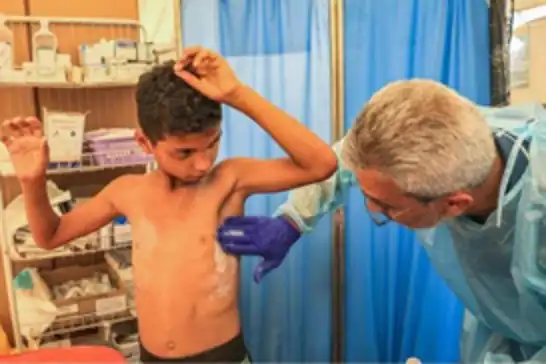
The United Nations has warned of a sharp increase in chickenpox cases across the Gaza Strip, attributing the surge to worsening humanitarian conditions, severe overcrowding, and deteriorating sanitation in displacement sites.
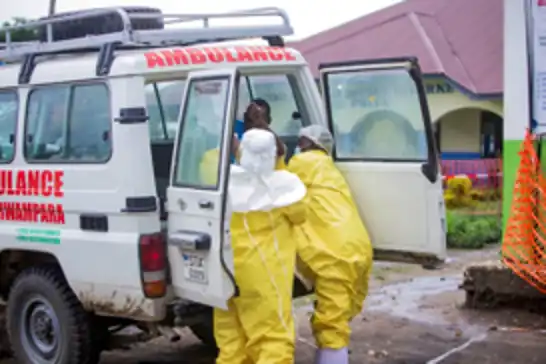
The Democratic Republic of the Congo (DRC) has reported a sharp increase in Ebola infections, with the number of confirmed cases reaching 1,708, including 580 deaths, according to the latest figures released by government health authorities on Wednesday.

The Palestinian Center for Human Rights (PCHR) has warned that the lives of nearly 650 kidney failure patients in the Gaza Strip are in immediate danger due to a severe shortage of sodium bicarbonate, an essential component used in dialysis treatment.