Ebola crisis deepens in DR Congo as vaccination campaign gets underway
 13 oC
13 oC 
Güneşli

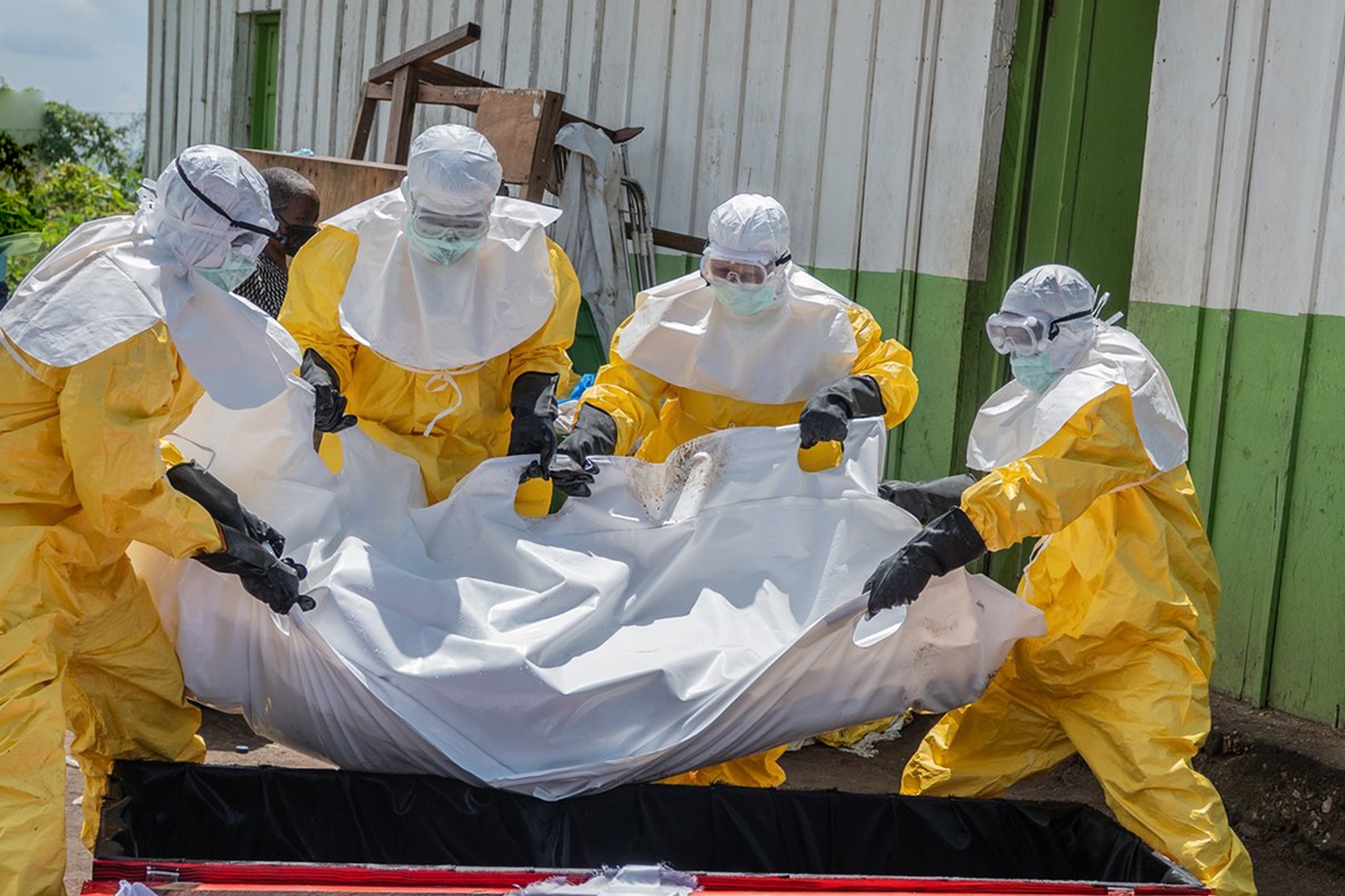
The Democratic Republic of Congo has launched an emergency Ebola vaccination campaign as authorities race to contain the country’s deadliest recorded outbreak, with thousands of confirmed cases and deaths reported across multiple provinces.
The campaign began Thursday in Kisangani, the capital of Tshopo province, with frontline healthcare workers and people considered at high risk among the first to receive the Ervebo vaccine. The initial campaign is being expanded across affected areas as health authorities seek to slow transmission.
According to the latest figures, the outbreak has produced 5,794 confirmed cases and 2,786 deaths, giving it a fatality rate of about 48%. The outbreak has spread to dozens of health zones across several provinces, including Ituri, North Kivu, South Kivu, Haut-Uele and Tshopo.
The outbreak is caused by the Bundibugyo virus, a relatively rare Ebola species for which there is currently no licensed vaccine or specific treatment. Ervebo, meanwhile, is licensed and WHO-prequalified for Ebola virus disease caused by the Zaire species.
Because of the lack of an approved vaccine for Bundibugyo virus, the current campaign is also being used to generate evidence on whether Ervebo can provide protection against the strain.
The WHO and partners have allocated 70,000 Ervebo doses to the DRC. Of these, 50,000 are intended for frontline and healthcare workers, while another 20,000 doses have been allocated for a Phase 3 clinical trial to assess the vaccine’s effectiveness against Bundibugyo virus.
WHO has stressed that there is currently insufficient evidence to establish that Ervebo protects against Bundibugyo virus, making the clinical trial an important part of the response.
Health authorities face major challenges in containing the outbreak as armed conflict, population displacement, movement between communities and shortages of healthcare personnel complicate efforts to trace contacts and isolate infections.
The WHO has classified the outbreak as a Public Health Emergency of International Concern, warning of its potential for international spread.
The agency has also called for stronger surveillance, contact tracing, clinical preparedness, community engagement and cross-border coordination.
The rapid expansion of the outbreak has raised concerns that it could become one of the most significant Ebola crises ever recorded. Health officials are therefore racing to expand vaccination, testing and treatment capacity while efforts continue to develop vaccines and therapies specifically targeting the Bundibugyo strain.
A separate development this week has added to international efforts to tackle the disease: the Coalition for Epidemic Preparedness Innovations announced up to $16.5 million in funding for an experimental Bundibugyo vaccine being developed by Egypt’s Minapharm Group. (ILKHA)
LEGAL WARNING: All rights of the published news, photos and videos are reserved by İlke Haber Ajansı Basın Yayın San. Trade A.Ş. Under no circumstances can all or part of the news, photos and videos be used without a written contract or subscription.
Cuban scientists have reached a significant milestone in the country's decades-long effort to build an independent biotechnology and pharmaceutical sector, with an experimental cancer drug developed domestically now preparing to enter clinical testing in patients with advanced melanoma.
Türkiye-based Orphan Foundation continued its humanitarian efforts in Bangladesh by delivering financial assistance and donations to orphaned children and vulnerable families with the support of donors.
Türkiye’s population continued to increase during the first half of 2026, reaching 86.32 million by July 1, while demographic data showed that the country’s population is also continuing to age.