WHO sounds alarm over widening Ebola outbreak across Africa
 13 oC

Güneşli

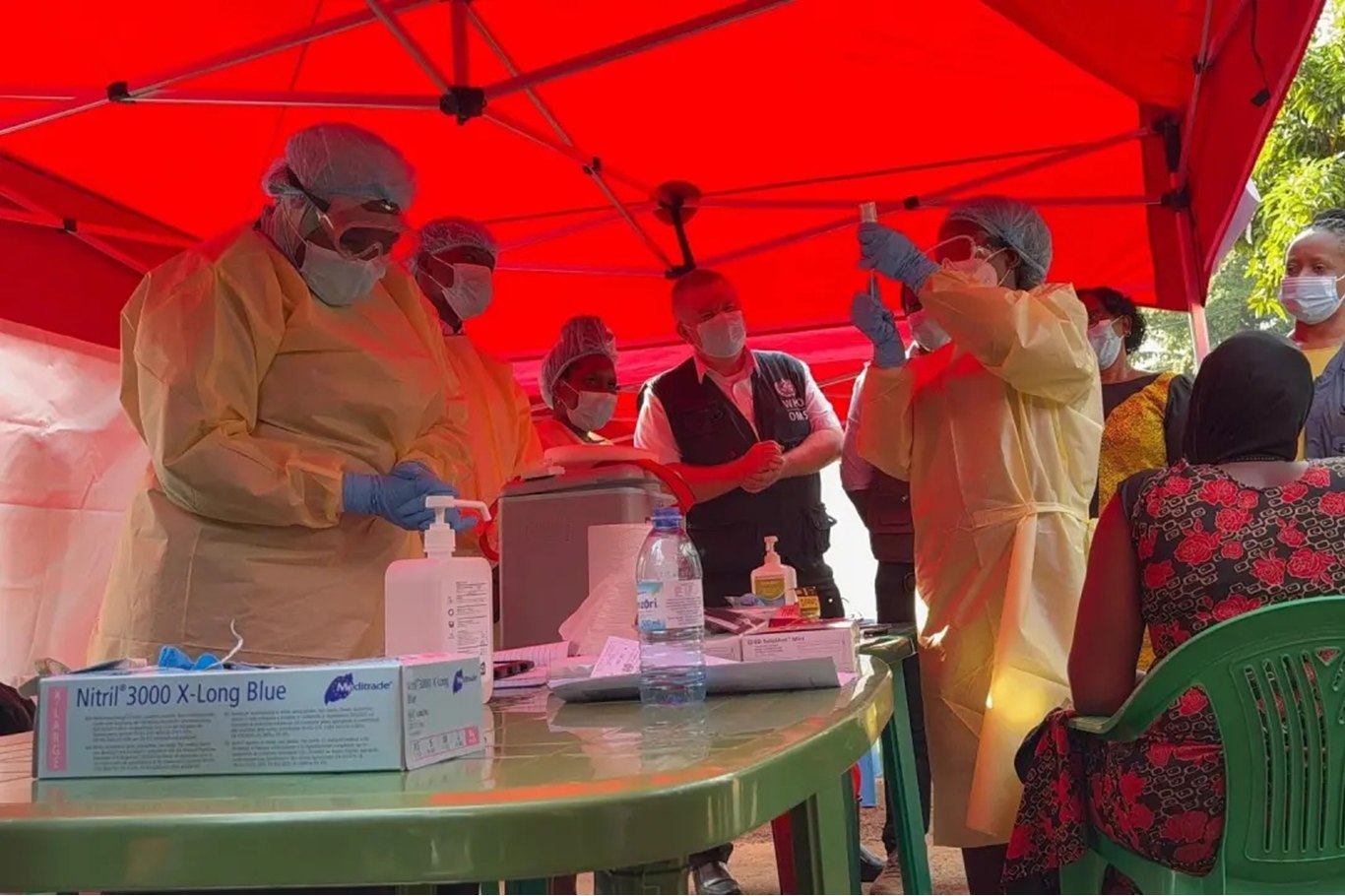
The World Health Organization (WHO) on Thursday warned that the ongoing Ebola outbreak has become a regional public health concern, urging African countries to strengthen coordination as infections spread across Central, Eastern and Western Africa.
"Ebola does not wait. It follows movement, exploits gaps, and tests the strength of our health systems," WHO Regional Director for Africa Mohamed Yakub Janabi said during an online press briefing.
Janabi stressed that the outbreak was no longer confined to a single location, warning that its growing geographical reach required coordinated regional action.
"Today, the test is no longer confined to one place," he said, calling for greater vigilance and a collective response to contain the disease.
Nigeria has confirmed an imported Ebola case caused by the Bundibugyo virus, while Kenya has reported nine cases, including one death, according to officials at the briefing.
Kenya's Director-General for Health Patrick Amoth said eight patients were receiving treatment, while more than 120 people remained in quarantine.
Amoth added that Kenyan authorities had requested 10,000 vaccine doses from the WHO and the Africa Centers for Disease Control and Prevention (Africa CDC) to strengthen protection for frontline health workers.
DRC reports thousands of cases and deaths
The Democratic Republic of the Congo (DRC), where the outbreak was declared on May 15, remains at the center of the epidemic, with the disease spreading to eight of the country's 26 provinces.
According to figures released by Congolese health authorities late Wednesday, the country had recorded 9,704 confirmed Ebola cases and 4,687 deaths as of Oct. 20, representing a case fatality rate of 48.3%.
Janabi expressed particular concern over continued transmission within communities, noting that around six in every 10 recent Ebola deaths in the DRC had occurred outside treatment centers.
The figures highlight the challenges facing health authorities in identifying infections, ensuring timely treatment and preventing further transmission.
African health ministers to hold emergency meeting
The Africa CDC announced Wednesday that it would convene an extraordinary virtual meeting of African health ministers on Oct. 28 to coordinate the response to the escalating outbreak.
The meeting is expected to bring together regional health officials to strengthen cooperation as infections emerge across multiple parts of the continent.
On Tuesday evening, following Nigeria's confirmation of its first Ebola case, Africa CDC Director-General Jean Kaseya warned that the outbreak had become the most geographically widespread Ebola epidemic on record, with infections reported across Central, Eastern and Western Africa.
The outbreak was declared in the DRC on May 15 and designated a public health emergency of international concern by the WHO two days later. The Africa CDC subsequently declared it a public health emergency of continental security.
The current epidemic has become the largest and deadliest Ebola outbreak recorded in the DRC and the second-largest globally, after the 2014–2016 West Africa epidemic.
Health authorities have called for strengthened surveillance, improved access to treatment and closer cross-border coordination to limit further transmission and protect vulnerable communities. (ILKHA)
LEGAL WARNING: All rights of the published news, photos and videos are reserved by İlke Haber Ajansı Basın Yayın San. Trade A.Ş. Under no circumstances can all or part of the news, photos and videos be used without a written contract or subscription.
Türkiye's Directorate of Religious Affairs (Diyanet) dedicated this week's Friday sermon to Gaza, describing the ongoing genocide as "humanity's test" and calling on Muslims to stand with the Palestinian people through solidarity, remembrance and a principled boycott against oppression.
A candidate vaccine against the deadly Bundibugyo strain of Ebola has entered a new phase of clinical testing in Uganda, as health authorities accelerate efforts to develop effective vaccines against a virus that has caused one of the largest and fastest-growing Ebola outbreaks ever recorded in the Democratic Republic of the Congo (DRC).
More than 1,900 children have lost or been separated from one or both parents or primary caregivers since an Ebola outbreak was declared in the eastern Democratic Republic of the Congo (DRC) in May, UNICEF said.