Erdoğan unveils ‘Decade of Family’ plan to combat Türkiye’s aging population

 13 oC
13 oC 
Güneşli

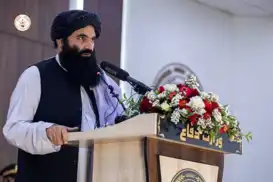
President Recep Tayyip Erdoğan on Saturday inaugurated Türkiye’s “Decade (2026-2035) of Family and Population Vision,” urging stronger measures to protect the family institution amid falling fertility rates and rapid societal changes.
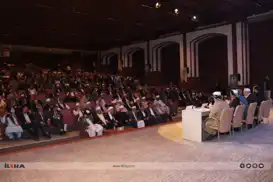
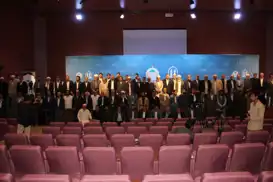
Speaking at the launch event held at the Haliç Congress Center, Erdoğan defended his government’s family-centric policies against criticism, stating that their importance would become clearer in the coming years.
“The absurdity of the claims made by those who accuse us of trivializing the individual or undermining women simply because we prioritize and value the family, will become clear,” Erdoğan said. “The validity of our efforts to protect and strengthen the family will be much better understood in the future.”
The president highlighted the global and domestic pressures reshaping family structures in the digital age, including weakening family ties, rising divorce rates, and delayed marriages. He noted that Türkiye is feeling the effects of worldwide trends that have led many developed nations to lament shrinking populations and eroding family institutions.
“Almost all of the countries cited as global models of a prosperous society are lamenting the decline in their population growth rates,” he said, adding that some nations now rely heavily on immigration to sustain basic services and economic activity.
The president pointed to demographic trends he described as “alarming,” noting that Türkiye’s fertility rate has remained below the population replacement level of 2.1 since 2017. According to his remarks, the rate fell to 1.48 in 2024 and is expected to decline further in 2025.
Birth rates have also dropped significantly over the past decade. While approximately 1.35 million babies were born annually in 2014, the figure fell below one million in 2023.
Erdoğan also highlighted the country’s aging population. The median age has risen to 34.9 as of 2025, while the proportion of elderly citizens has reached 11.1 percent. In rural areas, he noted, the elderly population has now surpassed the number of children.
Shifts in household structure and marriage trends are also contributing to demographic changes. Erdoğan stated that the average household size has declined to 3.08, while single-person households now account for 20.5 percent of the total.
The average age at first marriage has risen to 28.5 for men and 26 for women. Meanwhile, a significant proportion of young adults remain unmarried, with 79 percent of women and 94 percent of men in the 20–24 age group yet to marry.
“These figures point to a situation that should concern us all,” Erdoğan said, calling for greater awareness and action to address the long-term implications.
Despite the challenges, Erdoğan emphasized that Türkiye remains in a relatively stronger position than many European countries. While Europe’s median age stands at 45, Türkiye’s is approaching 35—still about 10 years younger than the European Union average.
He recalled the government’s earlier “three children” appeal and said authorities are already implementing measures to mitigate future risks. “As the leadership bearing the responsibility for 86 million people, we are striving to prepare Türkiye for the future by anticipating the potential risks, threats, and opportunities,” Erdoğan stated.
The “Decade of Family and Population Vision” aims to address these demographic shifts through coordinated policies over the next ten years, focusing on strengthening family structures and encouraging population growth.
The event marks a formal launch of the government’s long-term strategy to tackle what Erdoğan described as one of the most pressing challenges facing both Türkiye and many societies worldwide. (ILKHA)
LEGAL WARNING: All rights of the published news, photos and videos are reserved by İlke Haber Ajansı Basın Yayın San. Trade A.Ş. Under no circumstances can all or part of the news, photos and videos be used without a written contract or subscription.
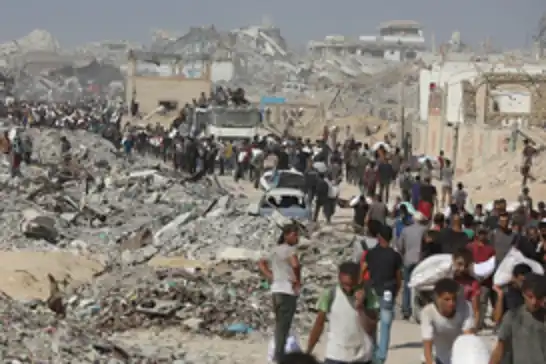
Türkiye's Directorate of Religious Affairs (Diyanet) dedicated this week's Friday sermon to Gaza, describing the ongoing genocide as "humanity's test" and calling on Muslims to stand with the Palestinian people through solidarity, remembrance and a principled boycott against oppression.

A candidate vaccine against the deadly Bundibugyo strain of Ebola has entered a new phase of clinical testing in Uganda, as health authorities accelerate efforts to develop effective vaccines against a virus that has caused one of the largest and fastest-growing Ebola outbreaks ever recorded in the Democratic Republic of the Congo (DRC).

More than 1,900 children have lost or been separated from one or both parents or primary caregivers since an Ebola outbreak was declared in the eastern Democratic Republic of the Congo (DRC) in May, UNICEF said.

Kenya has confirmed its first Ebola case after a citizen who had been living in the Democratic Republic of Congo (DRC) died in Nairobi, prompting authorities to trace dozens of people who may have been exposed to the virus.