DR Congo's Ebola cases climb to 1,708 as death toll reaches 580
 13 oC
13 oC 
Güneşli

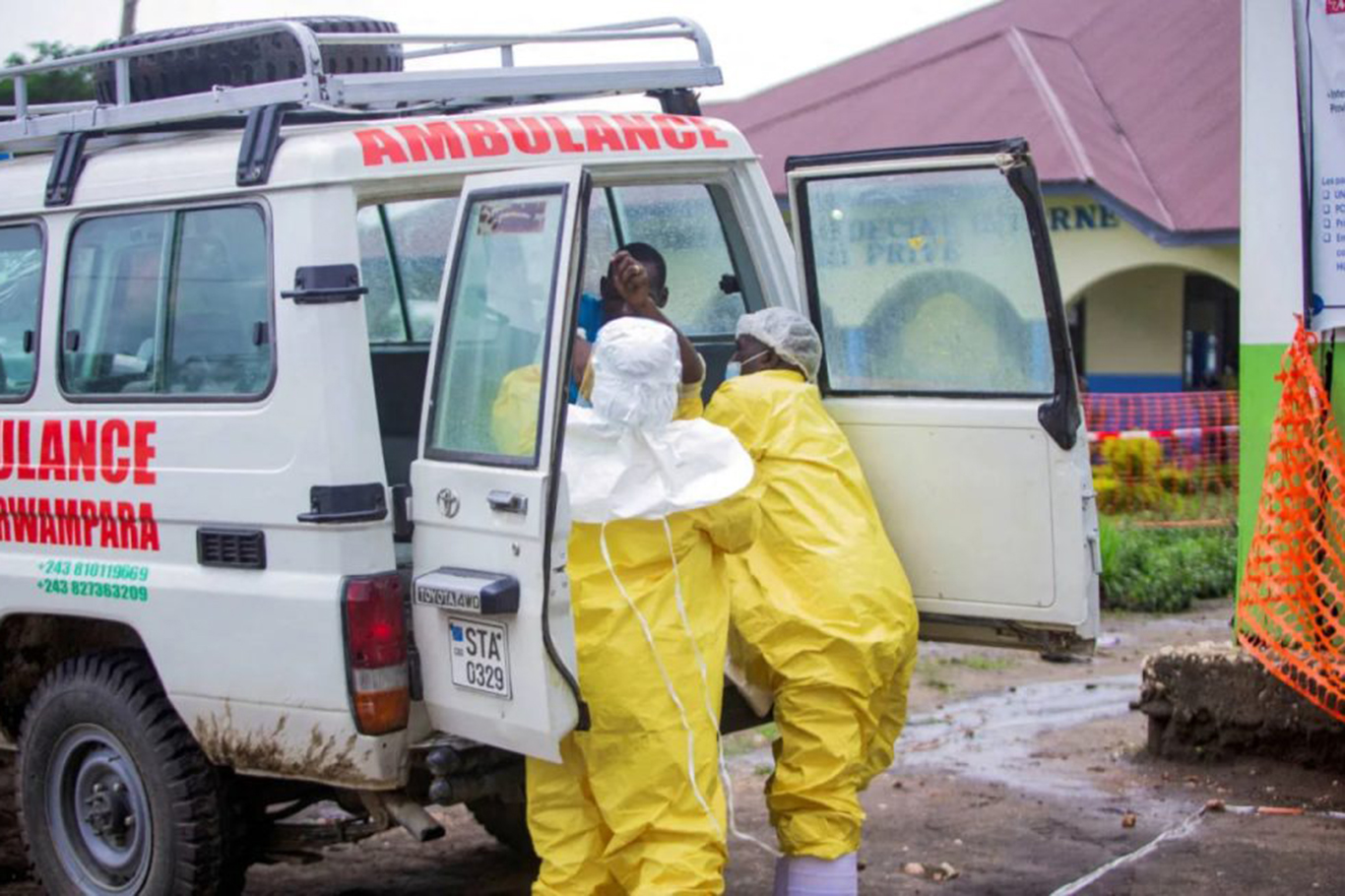
The Democratic Republic of the Congo (DRC) has reported a sharp increase in Ebola infections, with the number of confirmed cases reaching 1,708, including 580 deaths, according to the latest figures released by government health authorities on Wednesday.
The outbreak, caused by the rare Bundibugyo strain of the Ebola virus, remains concentrated in the eastern provinces of Ituri, North Kivu, and South Kivu, where health officials continue to battle rising infections amid insecurity, mass displacement, and strained healthcare services.
The World Health Organization (WHO) has warned that the outbreak is still in its expansion phase, with transmission continuing to outpace containment efforts. Health experts attribute the rapid spread to population movement, overcrowded displacement camps, delayed detection of infections, and difficulties in tracing contacts in conflict-affected areas.
Authorities have expanded surveillance and isolation measures while increasing the number of treatment centers and laboratory facilities across the affected provinces. International partners, including the WHO, are supporting the Congolese government with medical supplies, protective equipment, and emergency personnel in an effort to contain the outbreak.
A significant development in the response came earlier this month when a clinical trial began to evaluate potential treatments for the Bundibugyo strain, for which no approved vaccine currently exists. The trial is assessing the effectiveness of an experimental antibody therapy, both alone and in combination with antiviral medication, in hopes of improving survival rates.
Despite these efforts, the response has faced growing challenges. In recent days, hundreds of frontline healthcare workers in Ituri Province launched strikes over unpaid wages, poor working conditions, and shortages of protective equipment. The labor action has disrupted treatment operations, community outreach, and contact-tracing efforts, raising concerns that the outbreak could spread further if staffing shortages persist.
Health officials have acknowledged delays in salary payments, citing logistical difficulties linked to insecurity and transportation disruptions in eastern Congo. Authorities say efforts are underway to resolve the dispute and restore full response capacity.
The current outbreak was declared in May and has become one of the largest Ebola epidemics ever recorded in the DRC. While the WHO continues to assess the global risk as relatively low, it has warned that the regional risk remains very high because of cross-border population movements and ongoing humanitarian challenges in eastern Congo. (ILKHA)
LEGAL WARNING: All rights of the published news, photos and videos are reserved by İlke Haber Ajansı Basın Yayın San. Trade A.Ş. Under no circumstances can all or part of the news, photos and videos be used without a written contract or subscription.
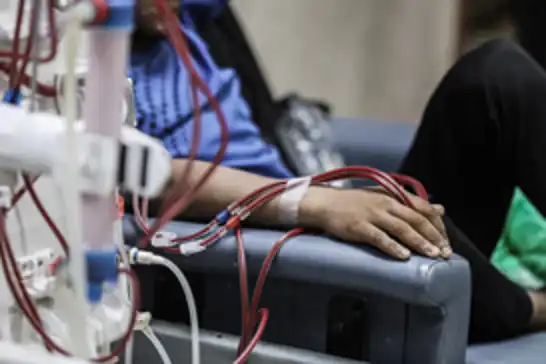
The Palestinian Center for Human Rights (PCHR) has warned that the lives of nearly 650 kidney failure patients in the Gaza Strip are in immediate danger due to a severe shortage of sodium bicarbonate, an essential component used in dialysis treatment.

More than 120 passengers and crew members aboard the Ruby Princess cruise ship were sickened during a norovirus outbreak that struck the vessel during a 20-day voyage from California to Alaska and Canada, health officials confirmed.
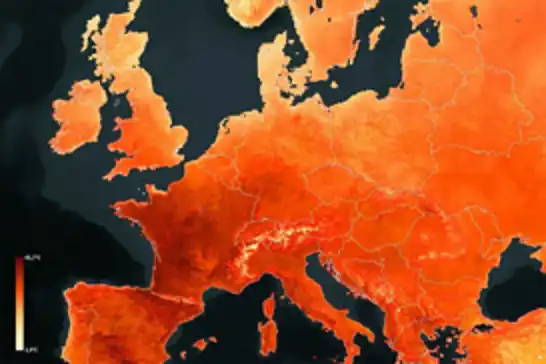
The World Health Organization (WHO) has warned that the ongoing heatwave sweeping across Europe is a clear indicator of worsening climate extremes in the years ahead, as authorities across the continent continue to report rising deaths, strained health systems, and record-breaking temperatures.