Friday sermon calls Muslims to protect moral identity amid modern pressures
 13 oC
13 oC 
Güneşli

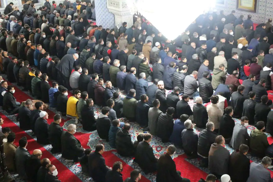
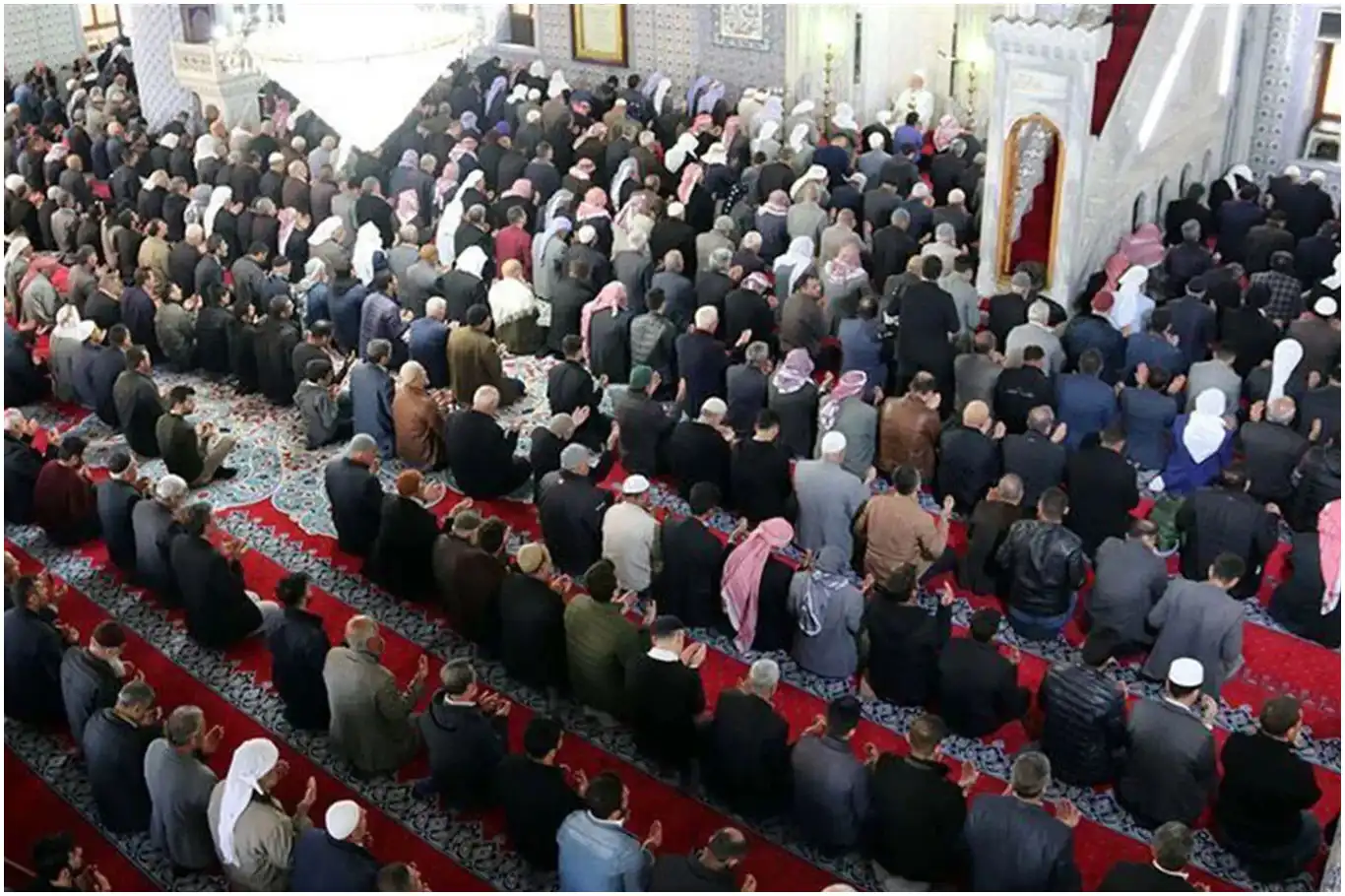
The Presidency of Religious Affairs (Diyanet) devoted this week’s Friday sermon, delivered simultaneously in mosques across Türkiye’s 81 provinces, to the theme of cultural and Islamic identity, warning that the erosion of identity poses a serious threat to both individual morality and the collective future of society.
Titled “Our Identity Is Our Future,” the sermon underscored that identity is not merely a cultural marker but the cornerstone upon which civilizations are built, sustained, and transmitted across generations. The sermon opened with a Qur’anic verse emphasizing devotion and belonging: “We have been dyed with the dye of Allah. And who is better than Allah in dye? And we are servants only of Him.”
Addressing millions of worshippers, the sermon stated that every society is distinguished by its unique identity, through which it preserves its national and spiritual values and secures its place in history. Identity, it said, is what transforms individuals into families, communities, and ultimately civilizations, shaping not only moral outlooks but also art, architecture, urban life, and social institutions.
Muslim Identity as a Source of Unity
The sermon highlighted Muslim identity as a unifying force that enables people to live together in brotherhood, solidarity, and social harmony. Drawing directly from the Qur’an and the Sunnah of the Prophet Muhammad (peace be upon him), it described Islamic identity as being rooted in timeless moral principles that do not fluctuate with trends or circumstances.
According to the sermon, compassion, mercy, justice, and goodness form the moral backbone of this identity, while the Holy Qur’an and the prophetic tradition nourish the conscience of believers. These values, it emphasized, are essential not only for personal piety but also for social stability and justice.
Warning Against Cultural Alienation
The sermon cautioned that history offers many examples of nations that disappeared from the world stage after becoming alienated from their own identities. Such societies, it warned, first fell under the influence of foreign cultures and later lost both their civilizational vitality and their future.
Turning to contemporary challenges, the sermon said humanity today is facing widespread moral decay, driven by unrestrained entertainment, excessive consumption, and a culture that prioritizes pleasure over responsibility. It warned that these forces seek to corrupt the innate human nature with which people were created, replacing spiritual purpose with material gratification.
The sermon further cautioned against deliberate efforts to raise generations disconnected from their roots, faith, and cultural heritage. Such “rootless generations,” it said, are more easily manipulated and alienated from their own societies. It cited a Qur’anic verse condemning those who spread corruption on earth and destroy livelihoods, stressing that such actions are rejected by Allah.
Message Ahead of the New Year
With the approach of the new Gregorian year, the sermon urged Muslims to reflect deeply on the passage of time. Each day that passes, it said, is a silent witness to a portion of life that will never return.
The sermon warned against turning year-end periods into occasions marked by practices incompatible with Islamic values, including alcohol consumption, gambling, lotteries, and celebrations involving symbols foreign to Islamic faith and culture. It stressed that such activities harm both individuals and society, undermining moral discipline and social responsibility.
Quoting a hadith of the Prophet Muhammad (peace be upon him), the sermon reminded worshippers: “One of the signs of a person’s being a good Muslim is that they abandon what is of no benefit and refrain from pointless pursuits.”
Call for Reflection and Accountability
In its concluding message, the sermon called on believers to view time as a priceless divine trust and to live with constant awareness of accountability. It urged Muslims to evaluate their lives not only through worldly success but in light of the Hereafter, described as the eternal home.
Quoting another Qur’anic warning — “The time of people’s judgment has drawn near, yet they are heedlessly turning away” — the sermon emphasized that death and reckoning, often perceived as distant, are in fact close and unavoidable.
The sermon concluded by urging believers to shape both their present actions and their future aspirations according to faith, moral integrity, and consciousness of divine accountability, stressing that preserving identity is essential to preserving the future. (ILKHA)
LEGAL WARNING: All rights of the published news, photos and videos are reserved by İlke Haber Ajansı Basın Yayın San. Trade A.Ş. Under no circumstances can all or part of the news, photos and videos be used without a written contract or subscription.

A cold and wet weather system is expected to affect Istanbul and much of northwestern Türkiye starting Friday, Dec. 26, according to the General Directorate of Meteorology.
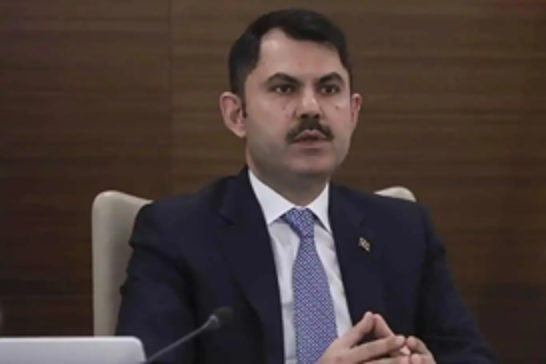
President Recep Tayyip Erdoğan has appointed Murat Kurum, Türkiye’s Minister of Environment, Urbanisation and Climate Change, as President of the 31st Conference of the Parties (COP31) to the United Nations Framework Convention on Climate Change (UNFCCC), according to a decision published in the Official Gazette.
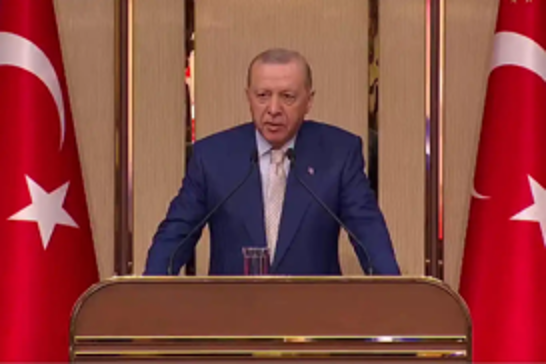
Turkish President Recep Tayyip Erdoğan delivered a comprehensive address at a meeting with the Union of International Democrats (UID) delegation, underscoring the humanitarian tragedy in Gaza.