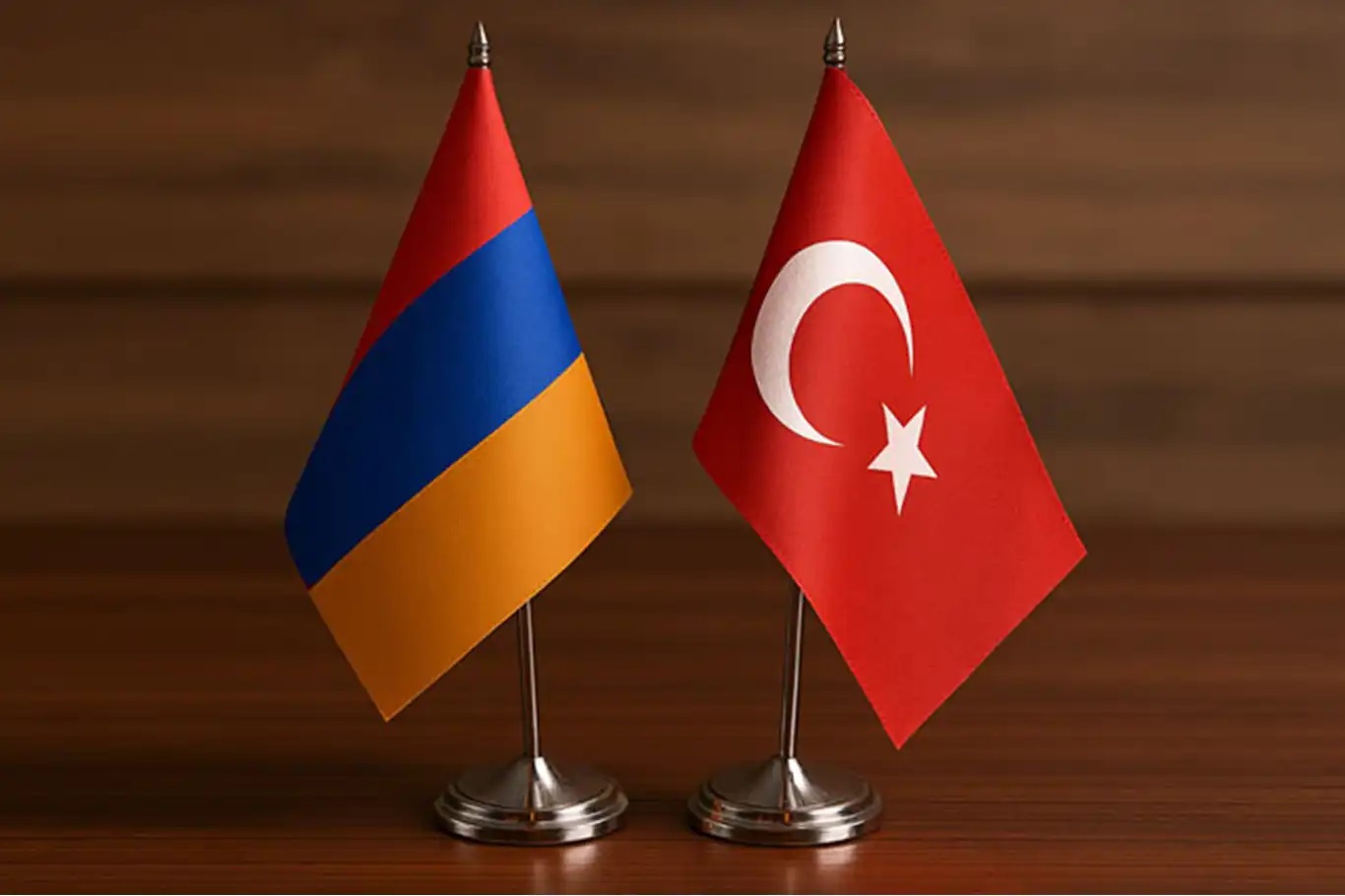
Türkiye completes preparations for direct trade relations with Armenia
 13 oC
13 oC 
Güneşli

Ankara has confirmed that efforts to reopen the land border with Armenia are proceeding at "full speed."
The announcement signals a significant breakthrough in bilateral relations, which have been frozen since 1993.
While formal diplomatic ties have yet to be established, the two nations are pursuing a pragmatic, step-by-step normalization process through tangible economic and logistical milestones.
Direct trade between the two neighbors has historically been forced through third-party routes, primarily via Georgia. However, Turkish officials confirmed that technical preparations on their side of the border are now finalized. This shift is expected to streamline commercial exchanges and provide a much-needed boost to local economies.
Currently, indirect trade between Türkiye and Armenia stands at roughly $300–$350 million annually. Economic experts project that a fully reopened border could see that figure soar to $1 billion or more, transforming the landlocked Armenian economy and revitalizing Türkiye’s eastern provinces.
The push for reopening the border follows a series of strategic confidence-building measures implemented over the past year. In the aviation sector, Turkish Airlines has successfully launched regular direct passenger flights connecting Istanbul and Yerevan, while diplomatic efforts have led to simplified visa procedures to encourage travel and business exchange. Infrastructure and connectivity have also seen major breakthroughs; in early May 2026, both nations signed a joint memorandum to restore the historic Ani Bridge spanning the border, and high-level discussions remain ongoing to restore the Gyumri-Kars railway line, which serves as a vital link for regional freight.
Turkish Special Envoy Serdar Kılıç recently stated that the border is "almost ready," noting that only minor administrative and technical details remain. The sentiment was echoed by Armenian Foreign Minister Ararat Mirzoyan, who described the current state of dialogue as “excellent” and reaffirmed Armenia’s readiness for full normalization.
The border was originally closed more than three decades ago due to intense regional tensions. Analysts view these current developments as a strategic pivot toward stability in the South Caucasus.
Further announcements regarding the official start date for direct trade and the full reopening of the border checkpoints are expected in the coming months. (ILKHA)
LEGAL WARNING: All rights of the published news, photos and videos are reserved by İlke Haber Ajansı Basın Yayın San. Trade A.Ş. Under no circumstances can all or part of the news, photos and videos be used without a written contract or subscription.
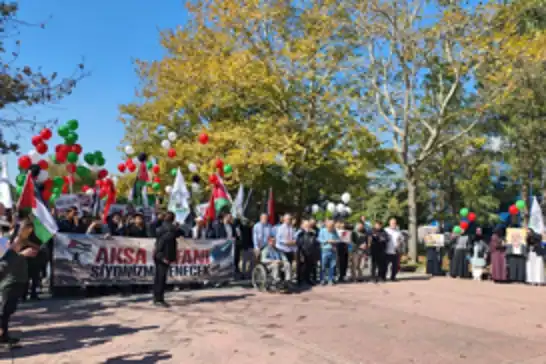
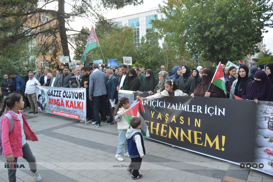
Sakarya University students staged a march on Friday to mark the third anniversary of the Al-Aqsa Flood operation, reaffirming their support for the Palestinian people and their struggle against the Israeli occupation.
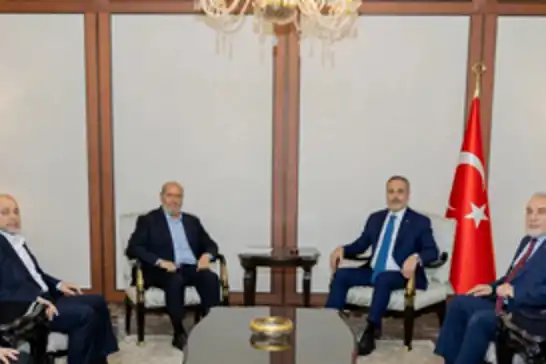
Turkish Foreign Minister Hakan Fidan met Hamas Political Bureau Chief Khalil al-Hayya and an accompanying delegation in Ankara on Friday, Türkiye’s Foreign Ministry said.
President Recep Tayyip Erdoğan said the current value of Türkiye's transport investments has reached $355 billion, with nearly $80 billion invested in the country's railway sector, highlighting the government's long-term commitment to expanding modern transportation infrastructure.
Turkish President Recep Tayyip Erdoğan has called for reform of the international system, arguing that global peace and security cannot be achieved without justice and that the United Nations’ current structure undermines fair representation and international trust.