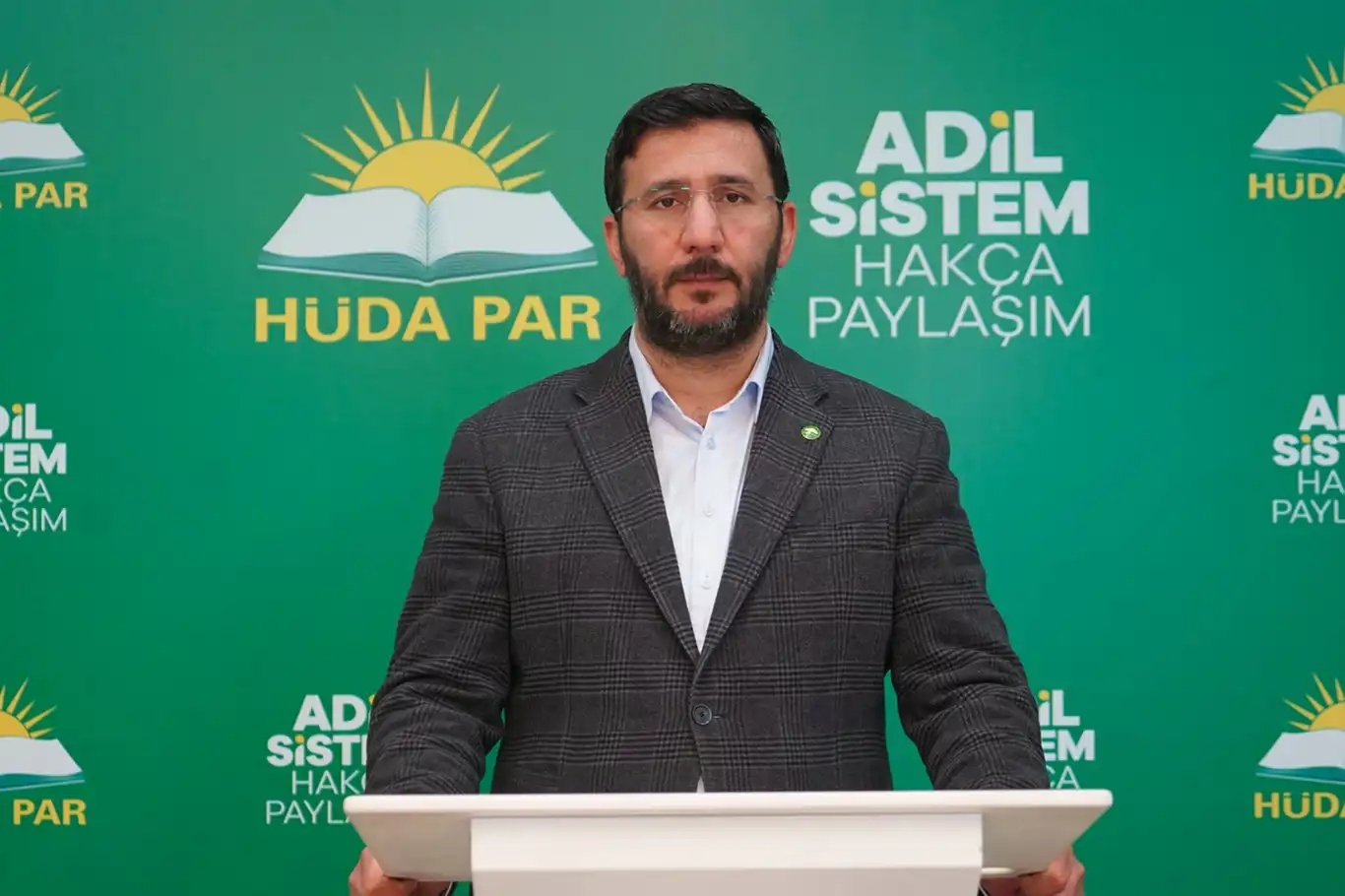
HÜDA PAR’s İmir calls for concrete steps over Gaza crisis
 13 oC

Güneşli

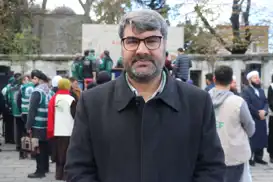
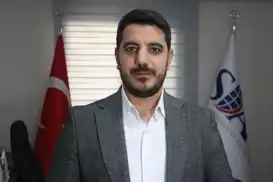
HÜDA PAR’s Head of Foreign Relations, Hüseyin İmir, has called on Islamic countries and the international community to take concrete action to address the worsening humanitarian crisis in Gaza.
In remarks addressing the humanitarian catastrophe in Gaza, US economic pressure on regional countries, and the continuing conflict in Yemen, İmir said expressions of concern and diplomatic condemnations were no longer enough, urging governments to take practical steps to address the crises.
He particularly called on Islamic countries, including Muslim members of the Gaza Peace Board, to demonstrate a genuine political will to ensure the uninterrupted delivery of humanitarian aid, begin rebuilding the devastated enclave, and secure the full withdrawal of Israeli occupation forces.
Gaza enters another winter under blockade and attacks
Drawing attention to the plight of displaced Palestinians, İmir said Gaza's population was entering another winter without adequate shelter, food, and other basic necessities.
He noted that humanitarian aid continued to be obstructed, Israeli occupation lines were expanding, and attacks against Palestinians were continuing despite the ceasefire process.
İmir also criticized the Gaza Peace Board, saying it had failed to achieve any tangible results despite being active for nearly a year.
He accused the board of effectively defending the Israeli occupation rather than holding it accountable, citing its attempts to blame Hamas for hospital bombings carried out by Israeli forces during the ceasefire process.
Islamic countries urged to move beyond condemnations
İmir stressed that Islamic countries, particularly Muslim members of the Gaza Peace Board, must move beyond statements of condemnation and take decisive action to end the suffering of Palestinians.
He said countries that do not wish to become complicit in Israel's genocidal crimes must adopt a firm stance and take practical measures to ensure the unrestricted entry of humanitarian aid, launch Gaza's reconstruction, and bring about the complete withdrawal of Israeli occupation forces.
US economic pressure on Iran threatens regional sovereignty
Turning to Washington's pressure campaign against Iran, İmir criticized the United States for using economic sanctions and trade restrictions as tools of political coercion.
Referring to reports that Washington had demanded Iraq close its border crossings with Iran, he said the move exposed the extent of US interference in the economic relations of regional countries.
He described it as unacceptable for a country on the other side of the world to pressure neighboring states into imposing an economic blockade on one another.
İmir said Washington's policies were not only targeting Iran but also undermining regional economic ties and the sovereignty of independent states. He added that economic sanctions were being used to push populations into poverty and hunger in pursuit of political objectives.
Regional countries urged to break free from dollar dependence
İmir said it was no longer enough for governments to simply criticize Washington for using the dollar and the international financial system as instruments of political pressure.
He argued that the continued dominance of the US-led financial system was largely due to the failure of countries to establish alternative trade, payment, and financing mechanisms.
He called on regional countries to reduce their dependence on third-party political decisions by expanding trade in local currencies, establishing independent payment systems, and developing joint economic and diplomatic mechanisms to counter external pressure on cross-border trade.
Saudi airstrikes add to Yemen's humanitarian suffering
Addressing the ongoing conflict in Yemen, İmir expressed concern over civilian casualties and the worsening humanitarian crisis, particularly the reported targeting of residential areas in Saudi airstrikes.
He said the attacks were further deepening the suffering of the Yemeni people, who have already endured years of war and humanitarian hardship.
Dialogue, not military intervention, key to peace in Yemen
İmir emphasized that lasting peace in Yemen could only be achieved through dialogue and negotiations, not military intervention.
He called on all parties to immediately halt attacks, avoid actions that could further escalate tensions, and return to the negotiating table to reach a political settlement.
He stressed that Yemen's future must be determined by the will of its own people through an inclusive political process, rather than military interventions by foreign powers. (ILKHA)
LEGAL WARNING: All rights of the published news, photos and videos are reserved by İlke Haber Ajansı Basın Yayın San. Trade A.Ş. Under no circumstances can all or part of the news, photos and videos be used without a written contract or subscription.
COP31 President and Türkiye's Minister of Environment, Urbanization and Climate Change Murat Kurum met with United Nations Secretary-General Antonio Guterres on the sidelines of the COP31 conference in Antalya to discuss global climate action, international cooperation and the ongoing climate summit.
HÜDA PAR Foreign Affairs Chairman Hüseyin İmir said changes in political power in Washington, including the outcome of U.S. midterm elections, do not alter what he described as the United States' longstanding policies of war, occupation and global intervention.
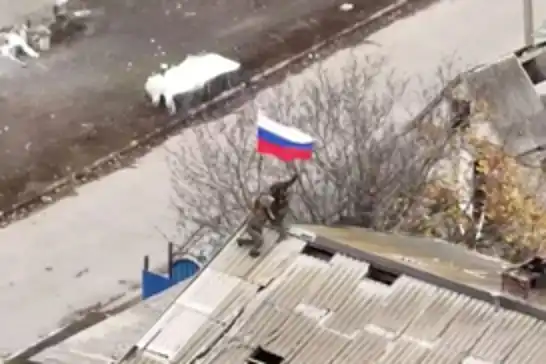
Russia's Ministry of Defence said its forces had taken control of the settlement of Vasilkovoye in Ukraine's Zaporizhzhia region, claiming further advances along the frontline as military operations continue.