US midterm election results reshape Washington balance and move global markets
 13 oC

Güneşli

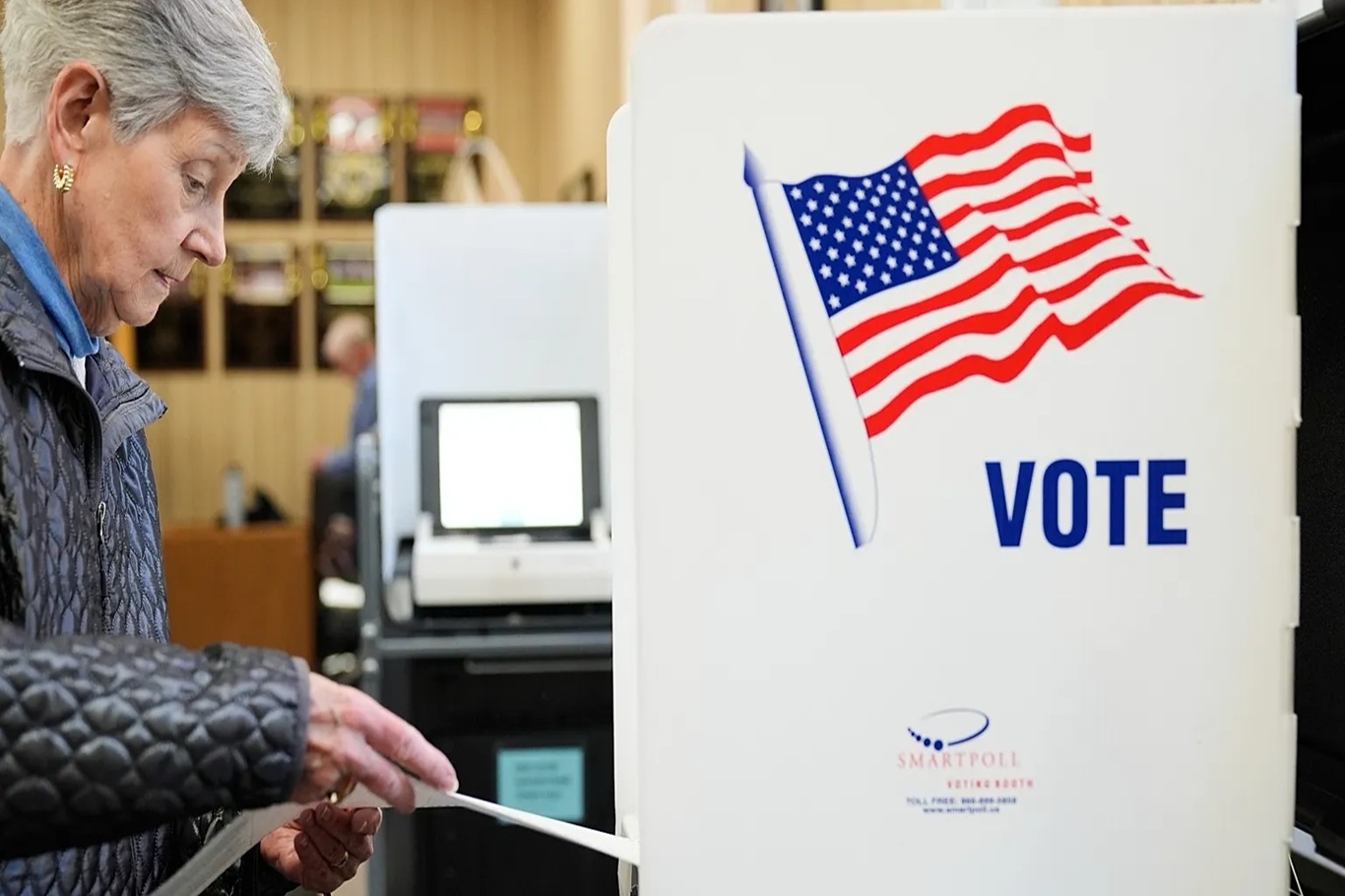
The US midterm elections, in which the Democratic Party gained control of both the Senate and the House of Representatives, have triggered significant reactions in global markets and reshaped the political balance in Washington.
The election results are expected to affect the balance between the White House and Congress during President Donald Trump's second term, with Democrats gaining greater authority to block legislation, oversee government decisions and investigate administration policies.
Democrats secured victories in key states, including Texas, Ohio, Iowa and Kansas, allowing the party to take control of Congress.
Following the results, discussions over how the legislative and executive branches will interact in Washington became one of the main issues on the political agenda.
Democrats' victory reshapes balance in Washington
The new political landscape is expected to increase congressional scrutiny of the Trump administration, particularly regarding budget decisions, government spending and international operations.
Analysts said the stronger Democratic presence in Congress could lead to closer discussions over foreign policy decisions, defence spending and economic priorities. However, the extent of possible policy changes will depend on negotiations between Congress and the White House.
Markets react to new political landscape
Financial markets reacted quickly after the election results. The US dollar weakened as investors moved towards safe-haven assets, while gold prices gained strength amid concerns over political uncertainty and fiscal policies. US Treasury markets also saw increased activity as investors reassessed the economic outlook.
Market data showed the dollar index falling to recent lows, while spot gold moved above the $4,000 level and reached new highs. Cryptocurrency markets also recorded gains, with Bitcoin moving higher following the election outcome.
Stock markets, however, faced pressure in some sectors, particularly technology and artificial intelligence companies.
Investors evaluated the possibility of increased congressional oversight and tighter regulations on AI-related businesses, which affected technology shares.
Energy markets were also influenced by developments after the election.
Expectations regarding diplomatic contacts between the United States and the Islamic Republic of Iran affected oil prices, while easing supply concerns contributed to a limited decline in Brent crude prices.
The election results also affected Asian markets, where investor sentiment improved following the Democratic victory.
Investors assessed that the new political balance in Washington could reduce uncertainty over economic policies and create a more predictable environment for global trade.
Expectations that US-China trade tensions could ease also supported Asian markets, while investors considered that congressional oversight could limit some protectionist measures.
China's Shanghai Composite Index rose 2.16 per cent to 3,686 points, while Hong Kong's Hang Seng Index gained 1.67 per cent to close at 23,919 points.
South Korea's Kospi Index increased 0.62 per cent to 5,683 points, while India's Sensex Index climbed 0.39 per cent to 77,219 points.
Japan's Nikkei 225 was the only major Asian market to decline, falling 1.41 per cent to 62,192 points.
Analysts said expectations of a more balanced approach in US-China trade relations supported investor confidence. However, strategic restrictions in technology, artificial intelligence and semiconductor sectors are expected to remain important issues.
Another issue closely followed by markets is the APEC Leaders' Summit scheduled to be held in Shenzhen, China, on November 18-19.
A possible meeting between US President Donald Trump and Chinese President Xi Jinping during the summit is expected to influence the future direction of bilateral trade relations.
Experts also noted that Congress' increased influence over budget spending could affect Treasury markets and energy prices.The decline in oil prices could provide support for Asian economies that rely heavily on energy imports.(ILKHA)
LEGAL WARNING: All rights of the published news, photos and videos are reserved by İlke Haber Ajansı Basın Yayın San. Trade A.Ş. Under no circumstances can all or part of the news, photos and videos be used without a written contract or subscription.

Türkiye’s annual consumer inflation fell by 3.1 percentage points to 29.8 percent, with the disinflation process spreading across most major categories, Treasury and Finance Minister Mehmet Şimşek said.

Türkiye's goods exports reached a record high for October, rising 8.1% year-on-year to $25.9 billion, Trade Minister Ömer Bolat said on Tuesday, as the country's annualized exports surpassed the government's target.

Türkiye’s goods exports increased by 8.1 per cent in October compared with the same month last year, reaching $25.9 billion and marking the highest export figure ever recorded for the month of October. The country’s annualised goods exports also climbed to a historic high of $285.6 billion.

Türkiye's annual consumer price inflation rose to 29.77% in October, while monthly inflation stood at 2.58%, according to data released by the Turkish Statistical Institute (TurkStat) on Tuesday.