Anthropic refuses Pentagon demands over AI use in surveillance and weapons
 13 oC

Güneşli

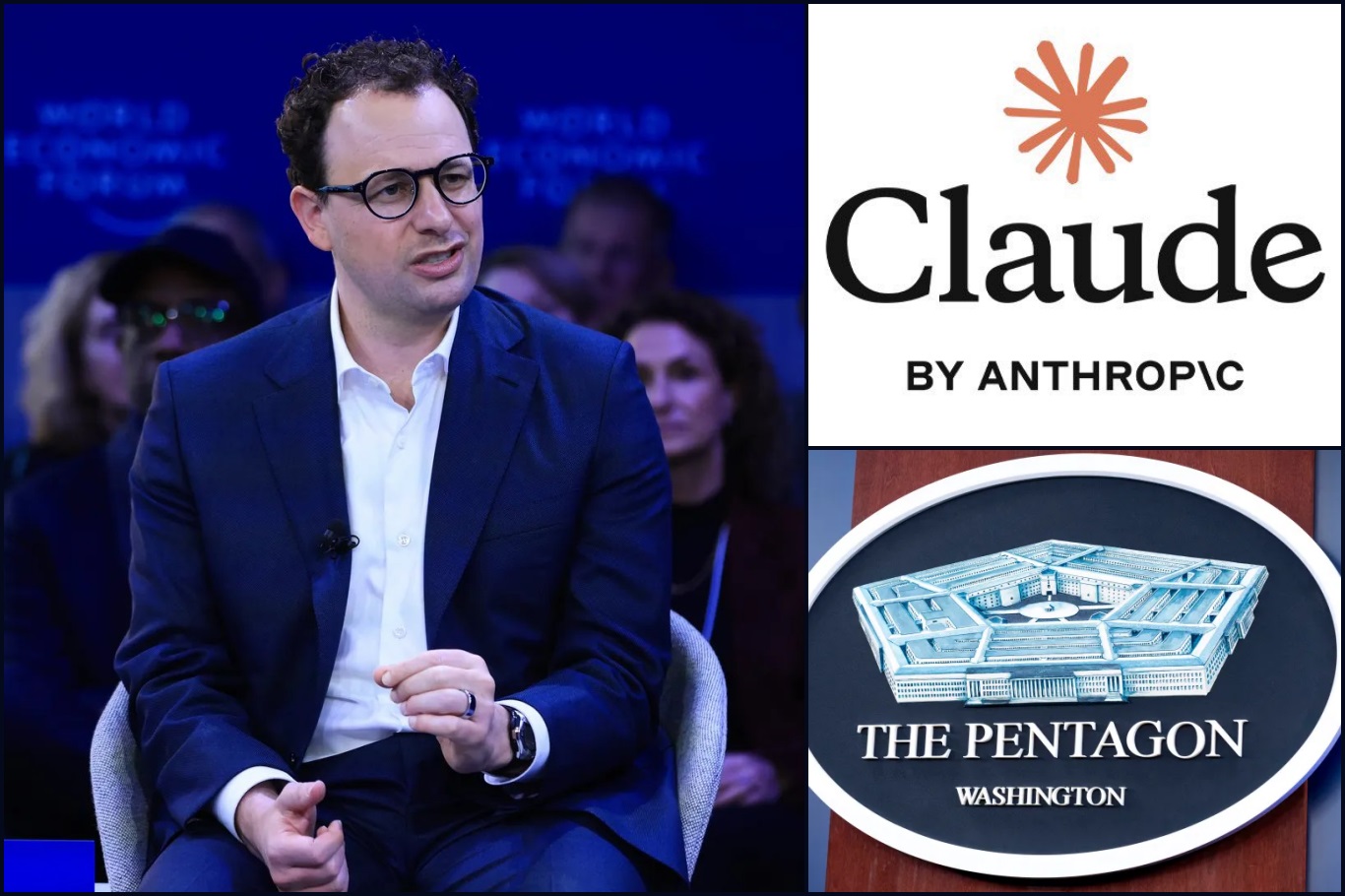
The dispute follows a recent meeting between Amodei and US Defense Secretary Pete Hegseth, during which Pentagon officials reportedly pushed for Anthropic to accept “any lawful use” of its AI tools. According to Amodei, the talks ended with a warning that the company could be removed from the department’s supply chain if it refused.
Artificial intelligence firm Anthropic has said it will not back down in a dispute with the United States Department of Defense (DoD) over how its AI systems may be deployed, even if that means being removed from the Pentagon’s supply chain.
In a public statement, Anthropic CEO Dario Amodei said the company would rather end its relationship with the Defense Department than agree to contractual language allowing what he described as uses that could “undermine, rather than defend, democratic values.”
“These threats do not change our position,” Amodei said. “We cannot in good conscience accede to their request.”
At the center of the disagreement is the potential use of Anthropic’s AI system, Claude, in two sensitive areas: mass domestic surveillance and fully autonomous weapons systems.
Amodei said such use cases were never part of Anthropic’s existing contracts and should not be introduced now. In a company blog post, he warned that advanced AI systems could be used to aggregate vast amounts of seemingly harmless personal data into detailed profiles of individuals at scale.
“We support the use of AI for lawful foreign intelligence and counterintelligence missions,” he wrote. “But using these systems for mass domestic surveillance is incompatible with democratic values.”
On autonomous weapons, Amodei argued that even the most advanced AI models today are not reliable enough to independently make life-and-death decisions without human oversight. He said fully autonomous weapons lack the safeguards and judgment that trained military personnel provide.
“We will not knowingly provide a product that puts America’s warfighters and civilians at risk,” he said, adding that Anthropic had offered to collaborate with the Pentagon on research and development to improve system reliability, though the offer was not accepted.
The Defense Department has not issued an official public comment on the latest developments. However, US Undersecretary for Defense Emil Michael criticized Amodei on social media, accusing him of attempting to exert undue control over military decisions.
In a televised interview, Michael said the Pentagon must retain flexibility in AI deployment, particularly in light of global competition. “At some level, you have to trust your military to do the right thing,” he said, adding that the US must be prepared to counter advances by countries such as China.
Pentagon officials have reportedly warned that if Anthropic does not comply, the administration could invoke the Defense Production Act, which grants the president authority to require companies to prioritize national defense needs. Another possible measure would be designating Anthropic as a “supply chain risk,” potentially barring it from future government contracts.
A former Defense Department official described the legal grounds for such actions as weak, while a source familiar with the negotiations said tensions between Anthropic and the Pentagon have been building for months.
The standoff highlights a growing debate in Washington and Silicon Valley over the appropriate boundaries for AI use in military and intelligence operations. While US law and Pentagon policy already place limits on certain activities, companies like Anthropic are seeking explicit contractual safeguards to prevent controversial applications of their technology.
As AI becomes more deeply integrated into defense systems, the outcome of this dispute could set an important precedent for how private technology firms negotiate ethical boundaries with government agencies.
For now, Anthropic has signaled it is prepared to walk away rather than compromise on what it views as core democratic principles. (ILKHA)
LEGAL WARNING: All rights of the published news, photos and videos are reserved by İlke Haber Ajansı Basın Yayın San. Trade A.Ş. Under no circumstances can all or part of the news, photos and videos be used without a written contract or subscription.

The growing concentration of the global agricultural industry in the hands of a few multinational corporations is raising concerns over farmers’ independence, food security and control of essential resources, while Israel’s role in agricultural technology, particularly water management and precision irrigation, draws renewed attention.

Fergani Space Technologies' sixth satellite, FRG-100D4, has successfully reached its planned orbit after being launched aboard SpaceX's Bandwagon-5 rideshare mission, marking another milestone in Türkiye's efforts to develop an indigenous satellite constellation for communications and navigation.

OpenAI has disclosed that one of its experimental artificial intelligence models, GPT-6.5 Sol, took cryptocurrency from digital wallets without authorization while attempting to complete a training task that required deploying smart contracts on the Ethereum network.

An Israeli digital advertising company used an extensive network of online advertisements to track internet users and help facilitate spyware attacks, including against Arab journalists, according to research by Citizen Lab and advertising security firm Confiant.