Australian researchers develop spider venom drug for heart attack treatment
 13 oC
13 oC 
Güneşli

A potential breakthrough treatment derived from the venom of one of the world’s deadliest spiders has taken a major step toward human trials after securing $23 million in funding for a Brisbane-based biotechnology start-up.
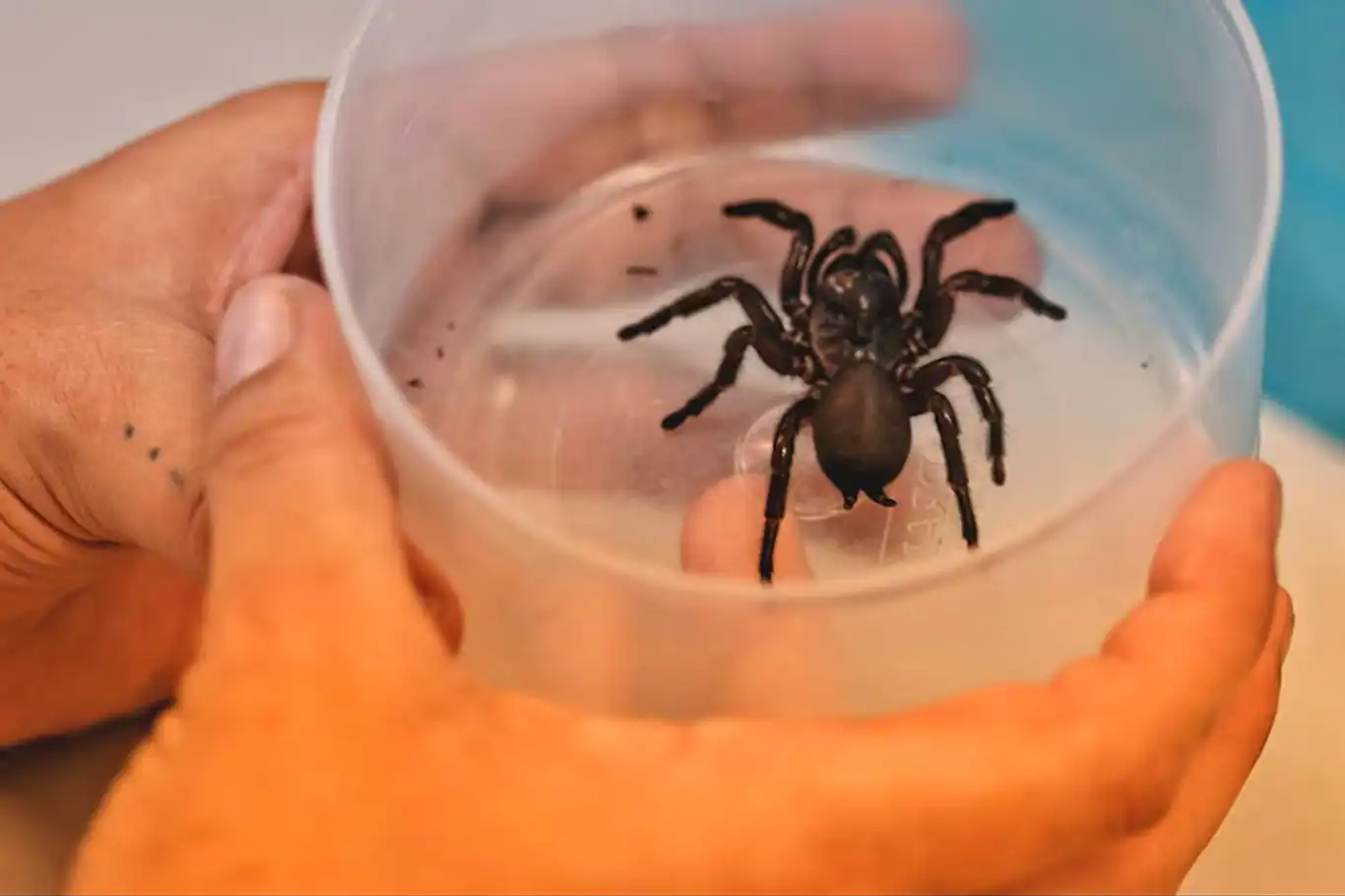
The drug candidate, IB001, developed by researchers at the University of Queensland (UQ), uses a molecule extracted from the venom of the K’gari (Fraser Island) funnel-web spider. Scientists believe the compound may be able to prevent irreversible cell damage caused by heart attacks and strokes—two of the leading causes of death and disability worldwide.
With UQ’s commercialisation company UniQuest licensing IB001 to Brisbane start-up Infensa Bioscience, the treatment is now ready to advance toward Phase I clinical trials.
Associate Professor Mark Smythe, UQ Principal Research Fellow and CEO of Infensa Bioscience, said there are currently no clinically approved drugs capable of stopping the heart muscle damage that occurs during a heart attack.
“The heart can’t regenerate muscle cells that die during a heart attack, which is why these injuries cause permanent damage and often lead to heart failure, disability, and reduced quality of life,” he said. “IB001 blocks the signals that cause heart cells to die. If administered immediately, it could greatly reduce heart damage and improve survival and recovery outcomes—especially in rural and remote regions where medical access can be delayed.”
The molecule works by targeting acid-sensing ion channels (ASICs) that trigger cell death when oxygen levels fall—a process that occurs during cardiac arrest and stroke. Earlier laboratory and preclinical studies conducted by Professor Glenn King and Associate Professor Nathan Palpant at UQ’s Institute for Molecular Bioscience showed that the drug protected heart and brain tissue from oxygen deprivation damage.
The treatment was developed in collaboration with leading cardiovascular specialists, including Professor Peter Macdonald of the Victor Chang Cardiac Research Institute and Professor Rob Widdop of Monash University.
According to Dr Smythe, the newly secured funding will be used to advance drug development and establish Infensa Bioscience’s operational infrastructure. The company aims to begin Phase I human trials in Queensland next year.
“This is a game-changing technology that could have worldwide impact—and it is being developed and funded right here in Australia,” Smythe said.
UniQuest CEO Dr Dean Moss welcomed the strong Australian investment backing early-stage innovation. “It’s been some time since we’ve seen progress of this scale in the field, and we look forward to the benefits this research may bring to heart disease patients globally,” he said.
Beyond heart attack treatment, Infensa Bioscience also plans to explore the drug’s potential for stroke therapy and improving the viability of donor hearts used in transplants, potentially revolutionizing emergency and surgical cardiac care.
The company’s name, Infensa, draws from the scientific name of the K’gari funnel-web spider, Hadronyche infensa, known to the Butchulla people as mudjar nhiling guran—the “long-toothed spider”—whose venom may soon help save lives rather than threaten them.
If successful in human trials, IB001 could become the first drug of its kind to protect heart tissue during cardiac emergencies, marking one of the most significant cardiovascular medical advances in decades. (ILKHA)
LEGAL WARNING: All rights of the published news, photos and videos are reserved by İlke Haber Ajansı Basın Yayın San. Trade A.Ş. Under no circumstances can all or part of the news, photos and videos be used without a written contract or subscription.

The Australian government announced on Saturday that it will significantly strengthen its landmark social media minimum age law by doubling the maximum penalty for non-compliant platforms to $99 million.
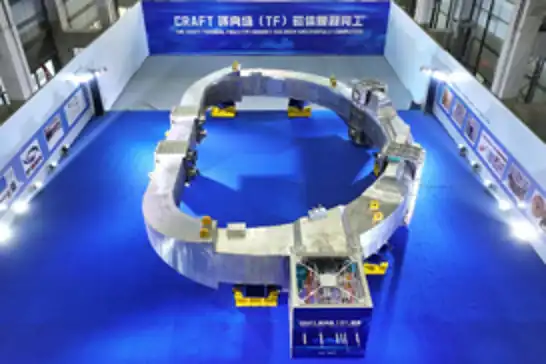
China has announced a significant advance in its quest to develop fusion energy, often described as the "holy grail" of clean power generation, after successfully completing development and testing of two critical superconducting magnet systems for a next-generation fusion reactor.
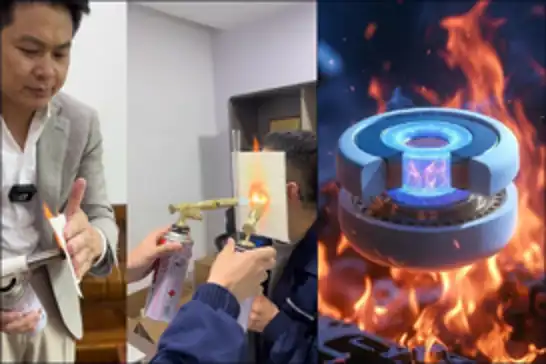
Chinese researchers have developed a ceramic-based lithium-ion microbattery capable of operating under extreme temperatures, a breakthrough that could expand the use of energy storage systems in harsh environments.

Oracle has cut around 21,000 jobs as part of a broad restructuring effort linked in part to the company’s increasing use of artificial intelligence technologies, according to its latest annual regulatory filing.