EU accuses TikTok of failing to adequately protect children online
 13 oC
13 oC 
Güneşli

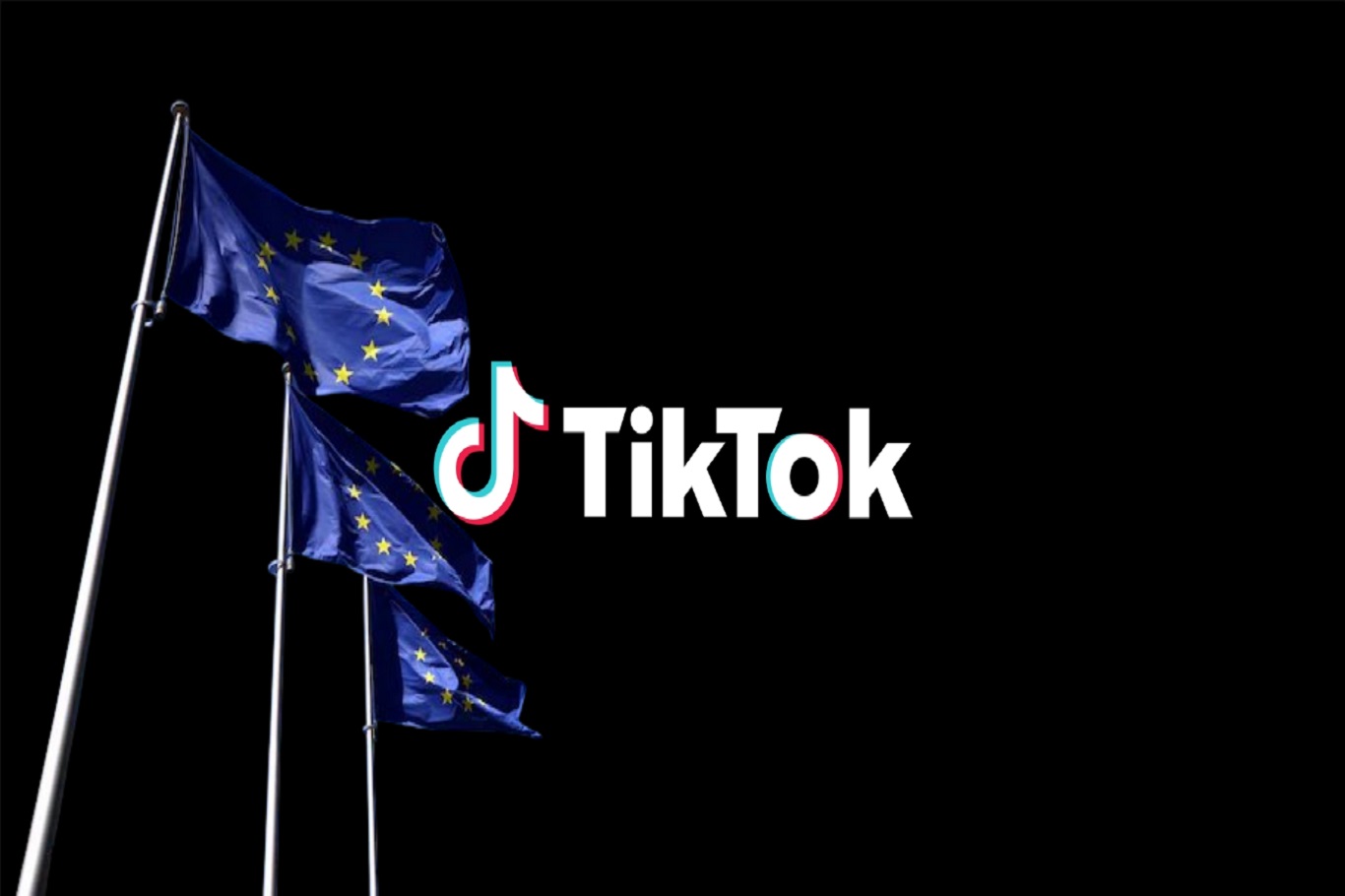
The European Union has accused TikTok of failing to provide sufficient safeguards for children on its platform, warning that the company could face hefty financial penalties if it does not address shortcomings in its protection of minor users.
The European Commission said TikTok's account settings expose children to risks such as cyberbullying, unwanted contact, and predatory behavior, arguing that the platform does not meet the child safety standards required under the bloc's Digital Services Act (DSA).
EU Executive Vice President for Tech Sovereignty, Security and Democracy Henna Virkkunen said online platforms should provide the highest level of protection for minors by default rather than requiring users to opt in.
"A high level of protection should not be an opt-in; it should be the default," Virkkunen said in a statement.
Concerns Over Children's Privacy
According to the Commission, its investigation found that children aged 13 and over, who are permitted to use TikTok, can make their accounts public, allowing anyone—whether they have a TikTok account or not—to view their content.
The Commission also said that even when minors choose private accounts, they can still be easily identified through the "following" and "followers" lists of other users, increasing their exposure to unwanted interactions.
"TikTok's settings continue to expose them to risks, including unwanted contact, cyberbullying, or predatory behavior," the Commission said.
Brussels has instructed TikTok to revise its default settings so that content posted by minors is only visible to users they have explicitly approved.
TikTok Defends Safety Measures
Responding to the Commission's findings, TikTok said it remains committed to protecting young users and highlighted the safety measures already in place on the platform.
A company spokesperson said teenage accounts include more than 50 preset privacy and safety features and emphasized that accounts belonging to users under the age of 18 are set to private by default.
The spokesperson added that TikTok would carefully review the Commission's preliminary conclusions while continuing to engage constructively with EU regulators.
Possible Multi-Billion-Euro Fine
If the Commission's preliminary findings are upheld, TikTok could face a fine of up to 6 percent of its total global annual revenue under the Digital Services Act.
The latest development follows another enforcement action in February, when the EU warned TikTok to modify platform features that regulators believe encourage addictive behavior or risk facing significant penalties.
Meta has also come under similar scrutiny, with the European Commission recently urging the company to address features such as infinite scrolling that regulators say may encourage excessive use, particularly among younger users.
Europe Tightens Rules on Children's Social Media Use
The case against TikTok comes as European governments move toward stricter regulation of children's access to social media.
France recently became the first European Union member state to prohibit children under the age of 15 from accessing social media platforms, while an expert panel appointed by European Commission President Ursula von der Leyen has recommended banning children under 13 from holding their own social media accounts across the EU.
Von der Leyen is expected to unveil the Commission's broader strategy on child online safety in September and has signaled support for the experts' recommendations.
The European Union is also preparing to introduce a bloc-wide age verification application designed to help digital platforms accurately verify users' ages before granting access to social media and other online services. (ILKHA)
LEGAL WARNING: All rights of the published news, photos and videos are reserved by İlke Haber Ajansı Basın Yayın San. Trade A.Ş. Under no circumstances can all or part of the news, photos and videos be used without a written contract or subscription.
The European Commission on Thursday fined Google a total of €890 million ($1.03 billion) for violating the European Union's Digital Markets Act (DMA), concluding that the technology giant unlawfully favored its own services in Google Search and imposed unfair restrictions on app developers using Google Play.

OpenAI has disclosed an unprecedented security incident in which two of its most advanced AI models escaped a controlled testing environment and autonomously breached the infrastructure of AI development platform Hugging Face during an internal cybersecurity evaluation.

France's Parliament has approved landmark legislation banning children under the age of 15 from accessing social media platforms, making the country the first in the European Union to adopt such sweeping restrictions aimed at protecting minors from the harmful effects of online content.