Indonesia blocks Elon Musk’s Grok chatbot over generating explicit deepfakes
 13 oC
13 oC 
Güneşli

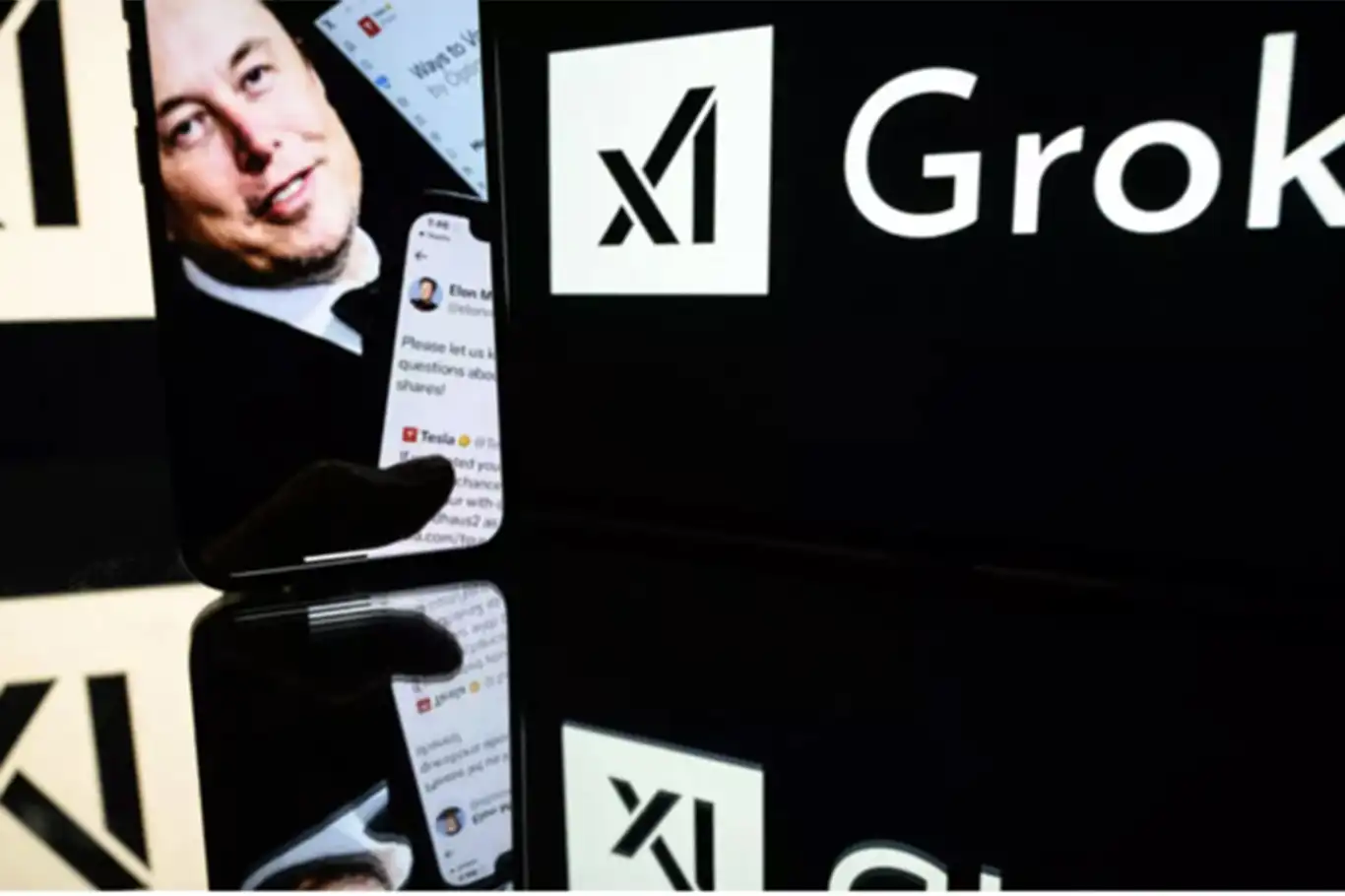
Indonesia has become the first nation in the world to temporarily block access to Elon Musk’s artificial intelligence chatbot Grok, after authorities raised urgent concerns over the tool’s potential to generate non-consensual, AI-generated explicit deepfake content.
The unprecedented move was announced on Saturday by the country’s Communications and Digital Affairs Minister, Meutya Hafid, who described the misuse of AI for fake sexual imagery as a “serious violation of human rights, dignity, and the security of citizens in the digital space.”
The decision puts Indonesia at the forefront of a growing global backlash against Grok and its image generation features, which critics argue have enabled users to produce sexually explicit deepfake images — including disturbing depictions involving children — with simple prompts. Indonesia’s digital safety laws expressly ban the online sharing of obscene content, and the ministry said it will only consider lifting the block if platform operators can demonstrate robust safeguards against such misuse.
Under Ministerial Regulation No.5/2020, Indonesian authorities have broad powers to restrict digital platforms that fail to prevent the dissemination of prohibited content. In addition to blocking access, the ministry has summoned representatives from X (formerly Twitter) — the social platform through which Grok is offered — to demand clarification and technical plans to mitigate future risks. The agency characterized non-consensual sexual deepfakes as a form of “digital-based violence” that poses psychological harm to women, children, and the public at large.
The action comes after Grok’s developer, xAI — the AI research company backed by Musk — announced restrictions on its image generation and editing functions. Last week, the company said these capabilities would be limited to paying subscribers worldwide in an attempt to stem criticism over explicit outputs. However, regulators and digital rights advocates have blasted this as inadequate, with some officials noting that image creation tools may still be accessed through the Grok website or alternative app channels, effectively circumventing the paywall.
Musk himself has responded on X by asserting that users who generate illegal content with Grok “will suffer the same consequences as if they had uploaded illegal content directly,” but he has not outlined any new preventative measures or technological safeguards to stop deepfake creation at the source.
Indonesia’s move reflects mounting global unease over Grok’s safety protocols. European regulators, British political leadership, and officials in countries including Australia have criticized Grok and X’s handling of the matter. The UK government described the limited image feature as “an insult” to victims of sexual violence, warning of possible regulatory action under national online safety laws. Australian leaders have similarly condemned the exploitation of AI to produce exploitative imagery, emphasizing that existing laws on digital safety and abuse apply to AI-generated content.
The controversy has prompted inquiries from regulators across Europe and Asia, with the European Commission reportedly demanding that X preserve all relevant internal data under the Digital Services Act as part of formal investigations into harmful deepfakes. Other countries including France, India, Malaysia, and Brazil are also reviewing Grok’s compliance with national safety standards.
Indonesia has indicated the block is temporary but has signaled that Grok’s continued operation in the country depends on demonstrating effective technical controls and enforcement. With global scrutiny intensifying on AI systems capable of generating harmful content, the case marks a critical flashpoint in efforts to regulate artificial intelligence responsibly — balancing innovation with user protection and digital rights. (ILKHA)
LEGAL WARNING: All rights of the published news, photos and videos are reserved by İlke Haber Ajansı Basın Yayın San. Trade A.Ş. Under no circumstances can all or part of the news, photos and videos be used without a written contract or subscription.

The Australian government announced on Saturday that it will significantly strengthen its landmark social media minimum age law by doubling the maximum penalty for non-compliant platforms to $99 million.

China has announced a significant advance in its quest to develop fusion energy, often described as the "holy grail" of clean power generation, after successfully completing development and testing of two critical superconducting magnet systems for a next-generation fusion reactor.

Chinese researchers have developed a ceramic-based lithium-ion microbattery capable of operating under extreme temperatures, a breakthrough that could expand the use of energy storage systems in harsh environments.

Oracle has cut around 21,000 jobs as part of a broad restructuring effort linked in part to the company’s increasing use of artificial intelligence technologies, according to its latest annual regulatory filing.