Major study finds plug-in hybrids use far more fuel than claimed
 13 oC
13 oC 
Güneşli

A large-scale European study has raised serious questions about the real-world environmental performance of plug-in hybrid electric vehicles (PHEVs), finding that they consume significantly more gasoline than official government figures indicate.
Research conducted by the Fraunhofer Institute analyzed data from nearly one million vehicles across Europe. The findings suggest that, on average, plug-in hybrids use more than 300 percent more fuel than their laboratory-tested ratings claim.
Real-World Data Paints a Different Picture
Under Europe’s official Worldwide Harmonised Light Vehicle Test Procedure (WLTP), a typical plug-in hybrid is rated to consume around 1.57 liters of fuel per 100 kilometers—the equivalent of roughly 150 miles per gallon.
However, when researchers examined real-world driving data from 981,035 vehicles, they found the average fuel consumption was 6.12 liters per 100 kilometers—about 38 miles per gallon. That figure is closer to conventional diesel vehicles than to the ultra-efficient image often associated with PHEVs.
The study used onboard monitoring systems to track actual fuel usage, covering a wide range of drivers, brands, and driving conditions across Europe. Researchers concluded that many plug-in hybrids operate far more frequently on their gasoline engines than expected.
Battery Use Falls Short of Expectations
Even in “charge-depleting” mode—where the vehicle is designed to prioritize battery power—the cars still consumed 2.98 liters per 100 kilometers, nearly double the level anticipated by regulators.
According to the researchers, the gasoline engine often activates to assist with acceleration, cabin heating, or when battery charge runs low. As a result, even drivers who believe they are operating primarily on electric power may still be relying on fossil fuel more than assumed.
Brand Differences and Charging Habits
The study also revealed notable differences in charging behavior among vehicle owners.
Contrary to expectations, owners of lower-cost brands were more likely to regularly charge their vehicles. In contrast, drivers of luxury models—including brands such as Porsche, Bentley, and Ferrari—were found to plug in their cars far less frequently.
In the case of Porsche, researchers found that more than half of the 11,307 vehicles analyzed were never plugged in at all. On average, Porsche vehicles in the study were charged enough to provide just 7 kilowatt-hours of electricity over 27,000 kilometers, suggesting many were used primarily as conventional gasoline vehicles despite carrying heavy battery systems.
Researchers suggested that in some cases, plug-in hybrids may be purchased to benefit from tax incentives rather than for regular electric driving.
Regulatory Changes Under Consideration
The findings come as European regulators consider revising how plug-in hybrid emissions and fuel consumption are calculated. Proposed updates to the “utility factor”—which estimates how often a PHEV is driven on electric power—aim to align official ratings more closely with real-world data.
Industry groups representing combustion engine manufacturers have reportedly pushed back against changes, arguing that plug-in hybrids still play a valuable role in the transition toward cleaner transportation.
However, the Fraunhofer study warns that failing to adjust the methodology could result in 23 to 25 million additional tons of carbon dioxide emissions over the next two decades due to overstated efficiency claims.
Bridging the Gap Between Policy and Reality
Experts have proposed measures to encourage more consistent charging, including clearer dashboard displays showing the proportion of trips powered by electricity versus gasoline. More aggressive ideas include technical systems that limit performance if vehicles are not regularly charged.
Ultimately, researchers argue that the most effective solution is regulatory transparency. By updating standards to reflect actual driving patterns, policymakers could reduce the gap between official fuel economy labels and real-world performance.
For now, the study suggests that while plug-in hybrids are marketed as a bridge to a cleaner future, their environmental benefits depend heavily on how—and how often—they are used. (ILKHA)
LEGAL WARNING: All rights of the published news, photos and videos are reserved by İlke Haber Ajansı Basın Yayın San. Trade A.Ş. Under no circumstances can all or part of the news, photos and videos be used without a written contract or subscription.

An Israeli digital advertising company used an extensive network of online advertisements to track internet users and help facilitate spyware attacks, including against Arab journalists, according to research by Citizen Lab and advertising security firm Confiant.
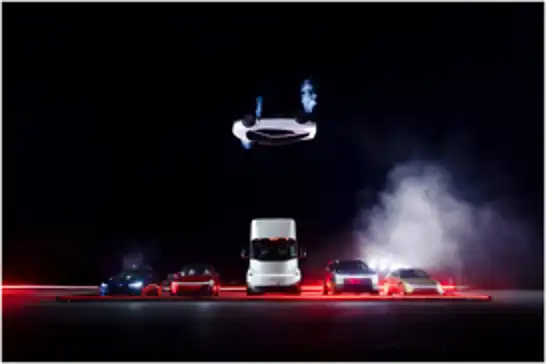
Tesla is preparing to unveil its next-generation Roadster nearly nine years after first presenting the electric sports car, with attention focused on its promised acceleration, potential rocket-assisted technology and the timeline for production.

Turkish Communications Director Burhanettin Duran warns of AI-related risks, disinformation and digital platform dominance, stressing the need for a human-centred and fair communications order.

Artificial intelligence-powered malware capable of copying itself and spreading across internet-connected devices could become a major cybersecurity threat in the near future, according to new research by AI company Anthropic.